OBSERVATORY / INDUSTRY
Manufacturing
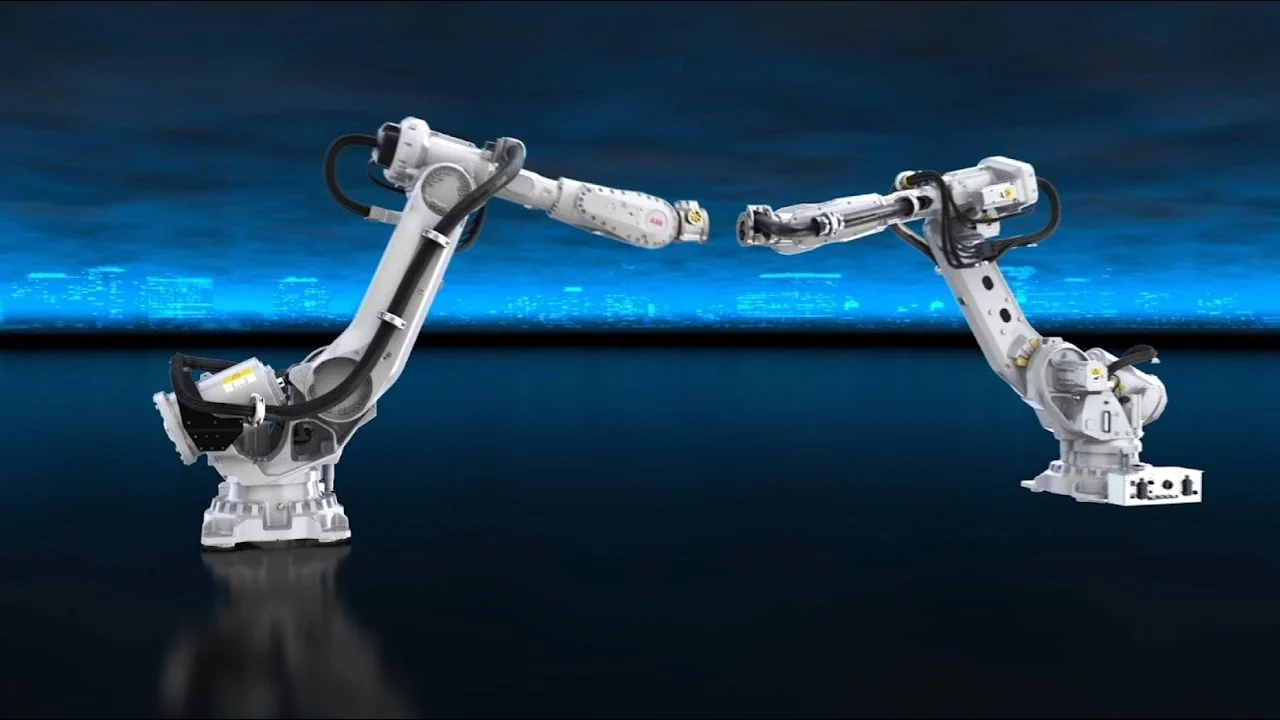
Industrial and collaborative robots automate repeatable handling, joining, processing and inspection tasks.
Adoption
Adoption varies widely by sector, plant, region and task; automotive and electronics are prominent users.
Economic context
Benefits may include throughput, consistency and safer separation from hazardous processes, but outcomes depend on integration and utilization.
Labor implications
Automation can change job content and skill needs; safe deployment, training and worker participation remain important.
Outlook
More flexible perception and manipulation may expand the set of practical tasks, though generality remains constrained.
Operational challenges
- integration with existing lines
- changeovers and product variation
- safety validation
- maintenance skills
Connected records
- Atlas
- ABB IRB 6700
- KUKA LBR iiwa
- 4NE1
- Walker S2
- Walker S1
- OMRON LD-60
- OMRON LD-90
- OMRON LD-250
- OMRON MD-650
- OMRON MD-900
- OMRON HD-1500
- OMRON OL-450S
- OMRON OL-450S Mid-Mast
- OMRON OL-450S Full-Mast
- MiR250
- Figure 03
- MiR1350
- MiR1200 Pallet Jack
- MiR250 Hook
- MiR EU Pallet Lift 600
- MiR EU Pallet Lift 1350
- MiR Shelf Carrier 250
- MiR Shelf Lift 600
- MiR Shelf Lift 1350
- Seegrid Lift EL1
- Seegrid Lift RS1
- Seegrid Tow Tractor S7
- PUDU T300
- FANUC CRX
- Seegrid Lift CR1
- Cartken Hauler
- MiR600
- Apollo
Source ledger
| Publisher and record | Scope | Evidence | Verified |
|---|---|---|---|
| IFR: International Federation of Robotics ↗ | general | Confirmed · Primary | Aug 20, 2026 |