STACK / ENABLING SYSTEMS
Technologies
The sensing, planning, control, learning and manipulation systems behind autonomous machines.
9 published records
Source-labeled records · explicit missing values · current evidence status
INPUT01 / technology
MODEL02 / technology
OUTPUT03 / technology
VISUAL INDEX / 009
Every image identifies the real indexed system. Evidence labels still distinguish confirmed facts, manufacturer claims, reporting and estimates.
Visual field cards / 9
01
navigation
Image: NASA/JPL-Caltech ↗
navigationestablished
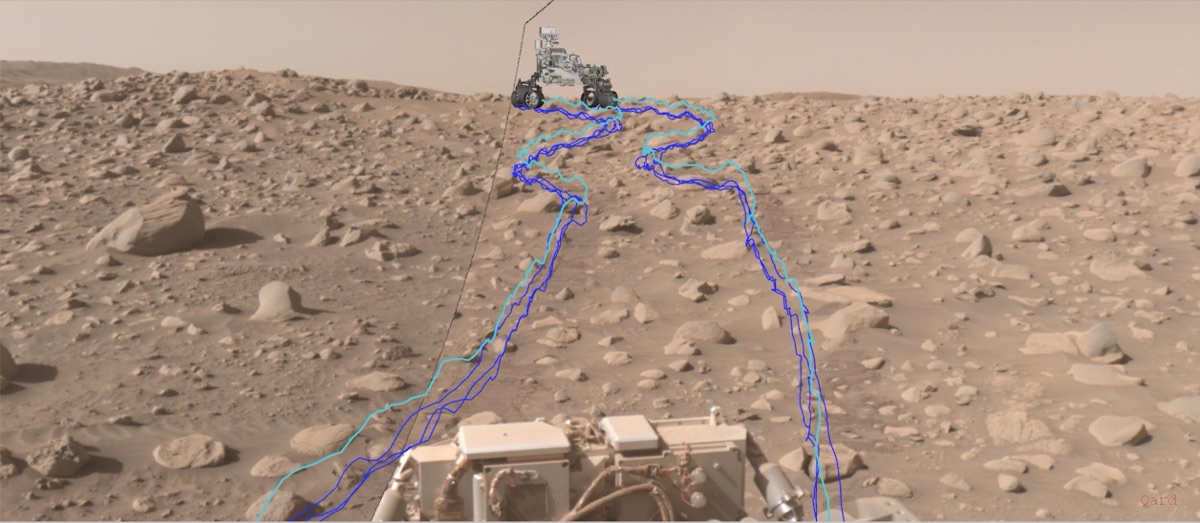
Autonomous navigation combines perception, localization, planning and control so a machine can move toward goals with limited direct human input.
- Input → process
- Sensor data informs a state estimate; planners choose feasible paths…
- Why it matters
- Navigation is foundational for mobile robots, drones, vehicles and…
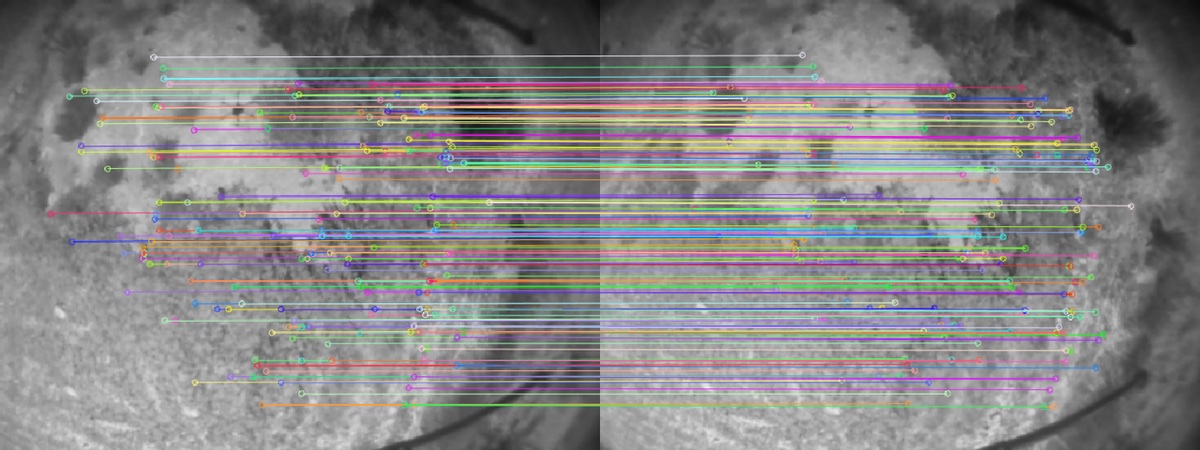
02
perception
Image: NASA/JPL-Caltech, via Wikimedia Commons ↗
perceptionestablished
Computer vision uses computational methods to extract information from images and video.
- Input → process
- Models process pixel data to perform tasks such as detection…
- Why it matters
- Vision lets robots identify objects, people, surfaces and motion using…
03
artificial intelligence
Image: NASA/Robert Markowitz, via Wikimedia Commons ↗
artificial intelligenceemerging
Embodied AI studies intelligent agents that perceive and act through a body in a physical or simulated environment.
- Input → process
- Models combine perception, language or task representations with…
- Why it matters
- It connects AI reasoning with the constraints, uncertainty and…
04
sensing
Image: Daniel L. Lu (Dllu), Wikimedia Commons — CC BY 4.0 ↗
sensingestablished
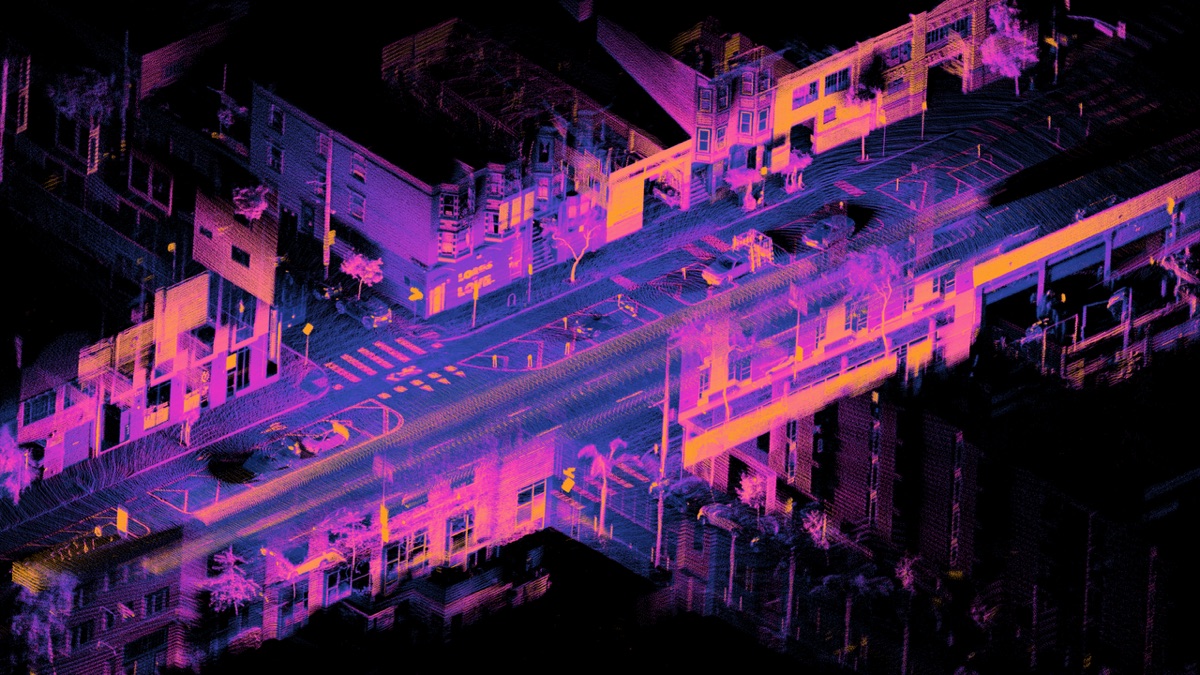
Lidar measures distance by timing reflected laser light and can build geometric representations of surroundings.
- Input → process
- A transmitter emits laser pulses; a receiver measures returns, and the…
- Why it matters
- Lidar can provide direct depth measurements for mapping, localization…
05
artificial intelligence
Image: QuantuMechaniX8, Wikimedia Commons — CC0 1.0 ↗
artificial intelligenceestablished
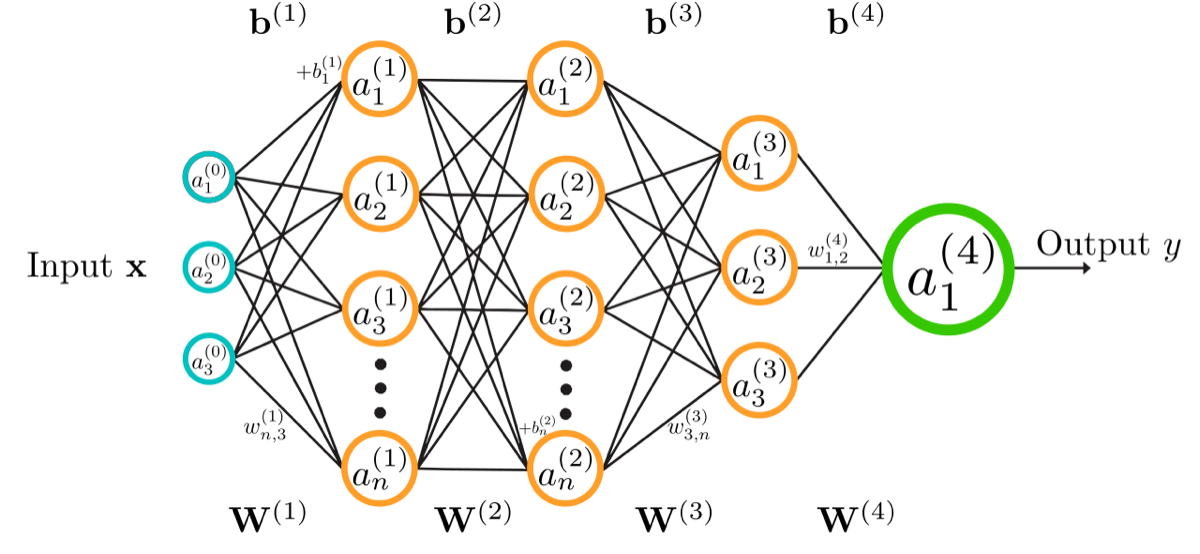
Machine learning develops models whose behavior is fitted from data rather than specified only through fixed rules.
- Input → process
- Training procedures adjust model parameters to reduce an objective on…
- Why it matters
- Learning can help machines perceive complex scenes, predict outcomes…
06
sensing
Image: OAR/ERL/National Severe Storms Laboratory (NOAA), via Wikimedia Commons ↗
sensingestablished
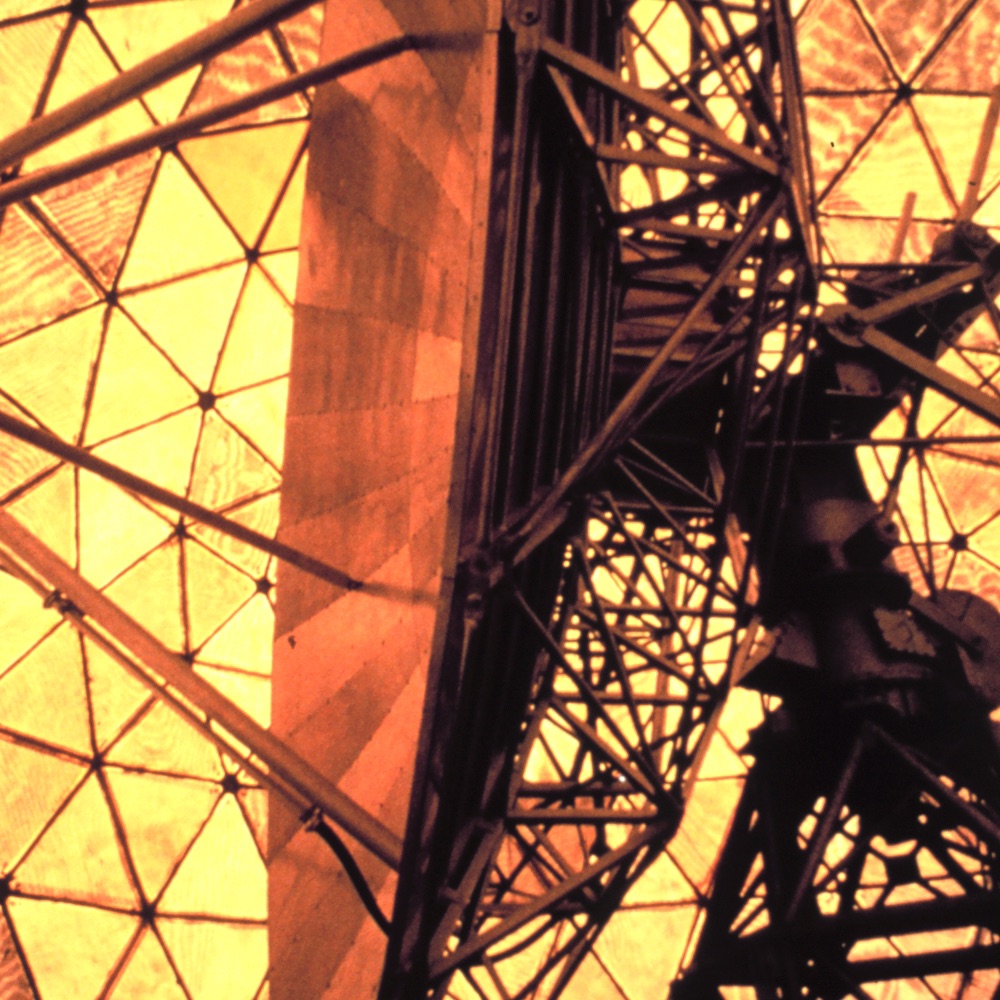
Radar transmits radio waves and analyzes reflected energy to estimate range, direction and often relative velocity.
- Input → process
- A transmitter sends radio-frequency energy; signal processing compares…
- Why it matters
- Radar can provide robust ranging and motion measurements across many…
07
motion and control
Image: NASA/JPL-Caltech ↗
motion and controlestablished
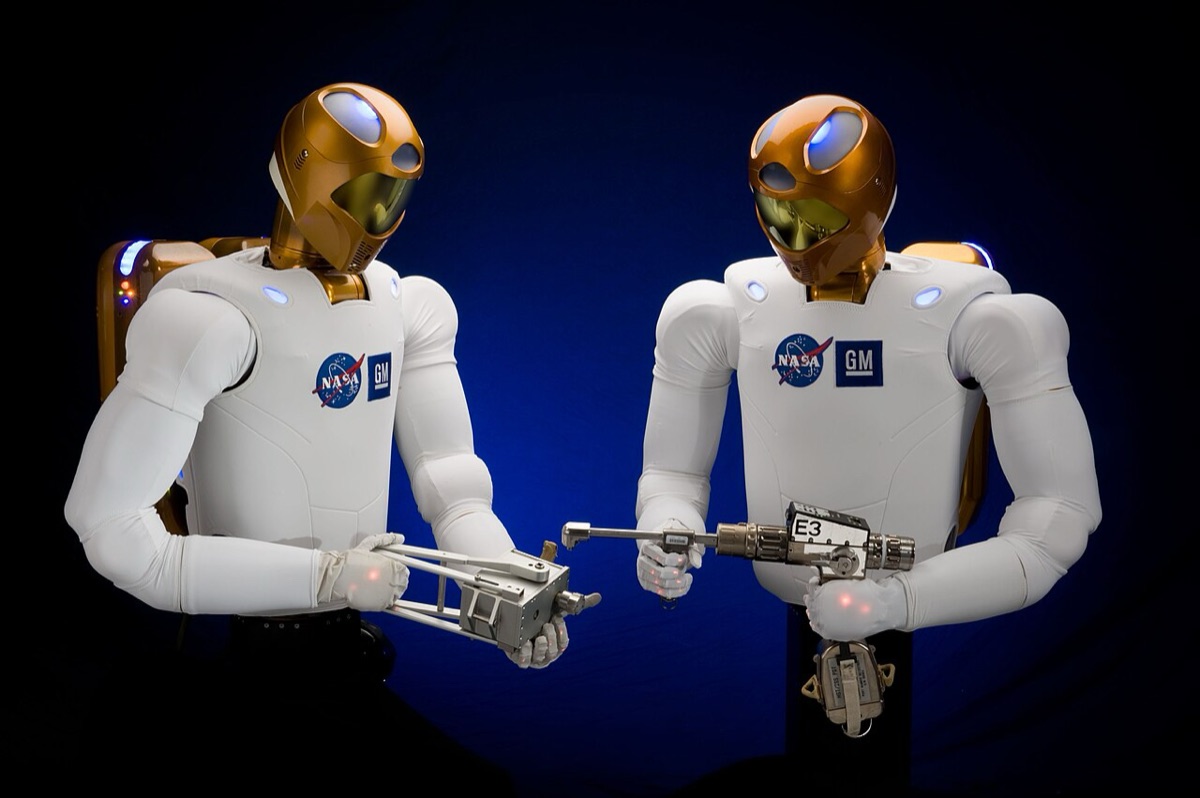
Robotic manipulation concerns sensing, planning and controlling physical contact with objects and tools.
- Input → process
- A robot estimates object and arm state, selects grasps or contact…
- Why it matters
- Manipulation allows robots to do useful physical work rather than only…
08
perception and state estimation
Image: National Institute of Standards and Technology (NIST) ↗
perception and state estimationestablished
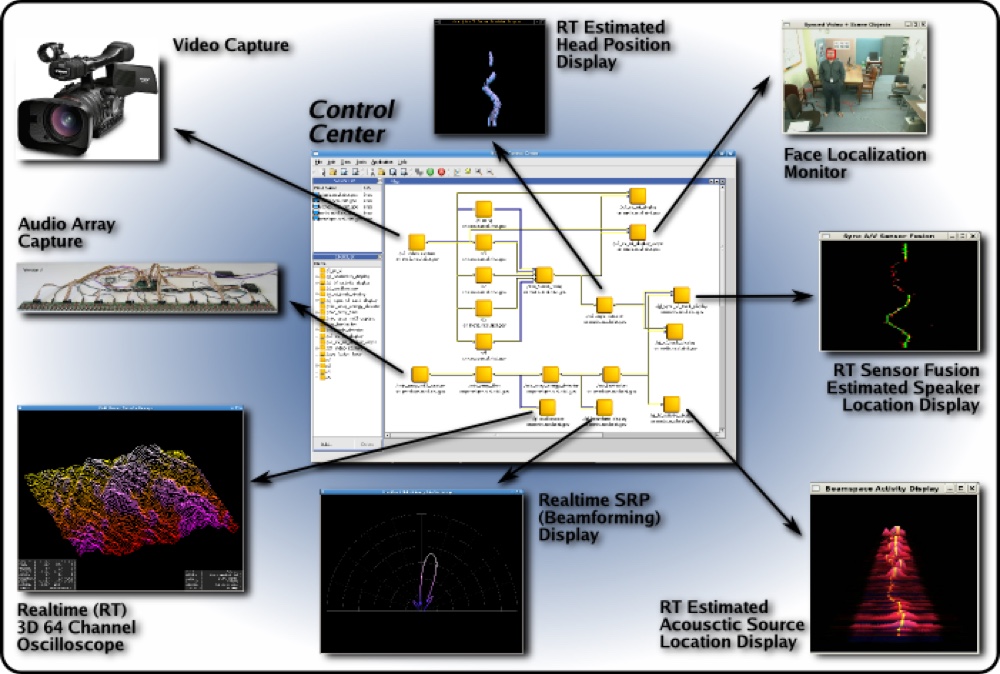
Sensor fusion combines measurements from multiple sensors to estimate a system or environment more reliably than a single stream alone.
- Input → process
- Probabilistic filters, optimization or learned models reconcile…
- Why it matters
- Autonomous systems commonly need complementary inputs from cameras…
09
navigation
Image: Alejandro Silvestri, Wikimedia Commons — CC BY-SA 4.0 ↗
navigationestablished
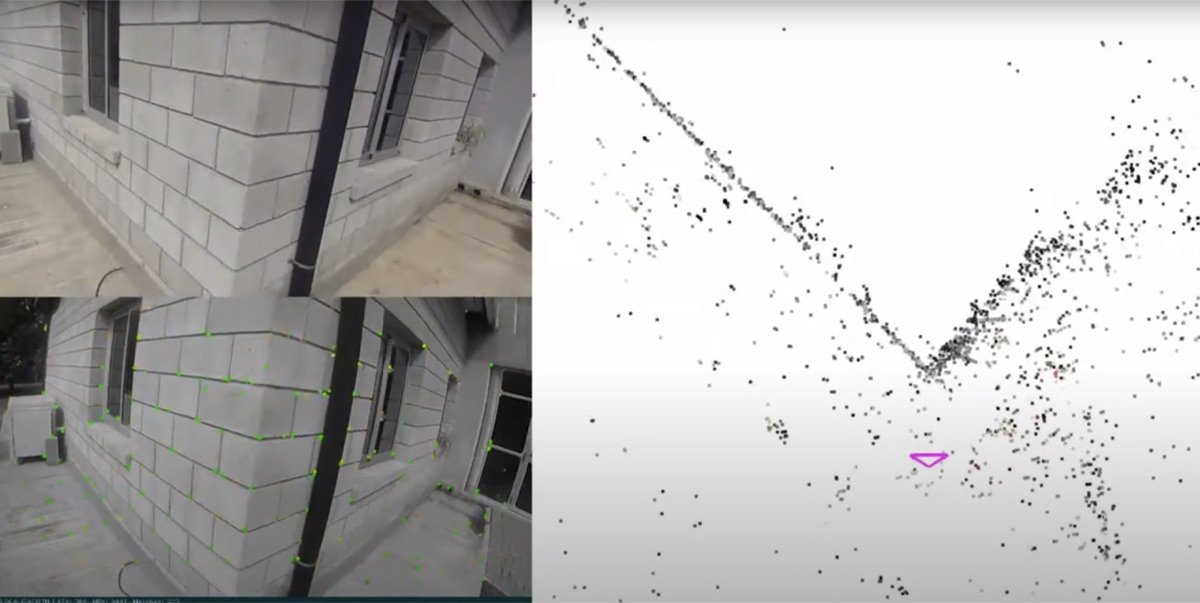
SLAM estimates a machine's location while constructing or updating a map of an initially uncertain environment.
- Input → process
- Algorithms combine motion estimates with repeated observations of…
- Why it matters
- SLAM supports navigation where a reliable prior map or satellite…