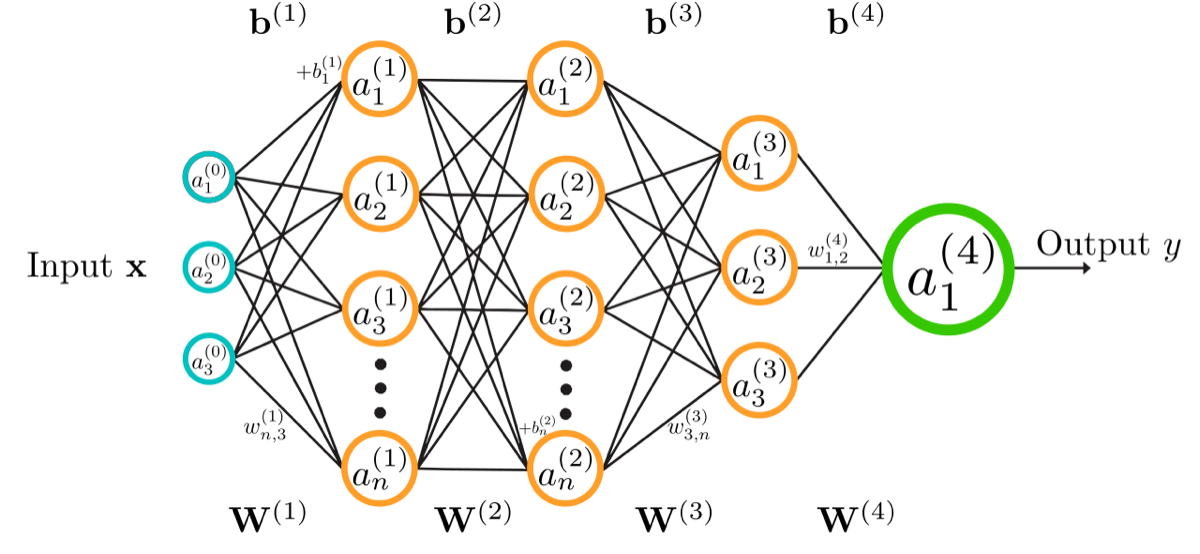
Machine Learning
Machine learning develops models whose behavior is fitted from data rather than specified only through fixed rules.
How it works
Training procedures adjust model parameters to reduce an objective on examples, simulations, demonstrations or interaction data.
Why it matters
Learning can help machines perceive complex scenes, predict outcomes and adapt policies to varied inputs.
Advantages
- handles high-dimensional data
- can improve with representative data
- supports perception and control
Limitations
- data and validation requirements
- distribution shift
- outputs can be difficult to interpret
See it in the Observatory
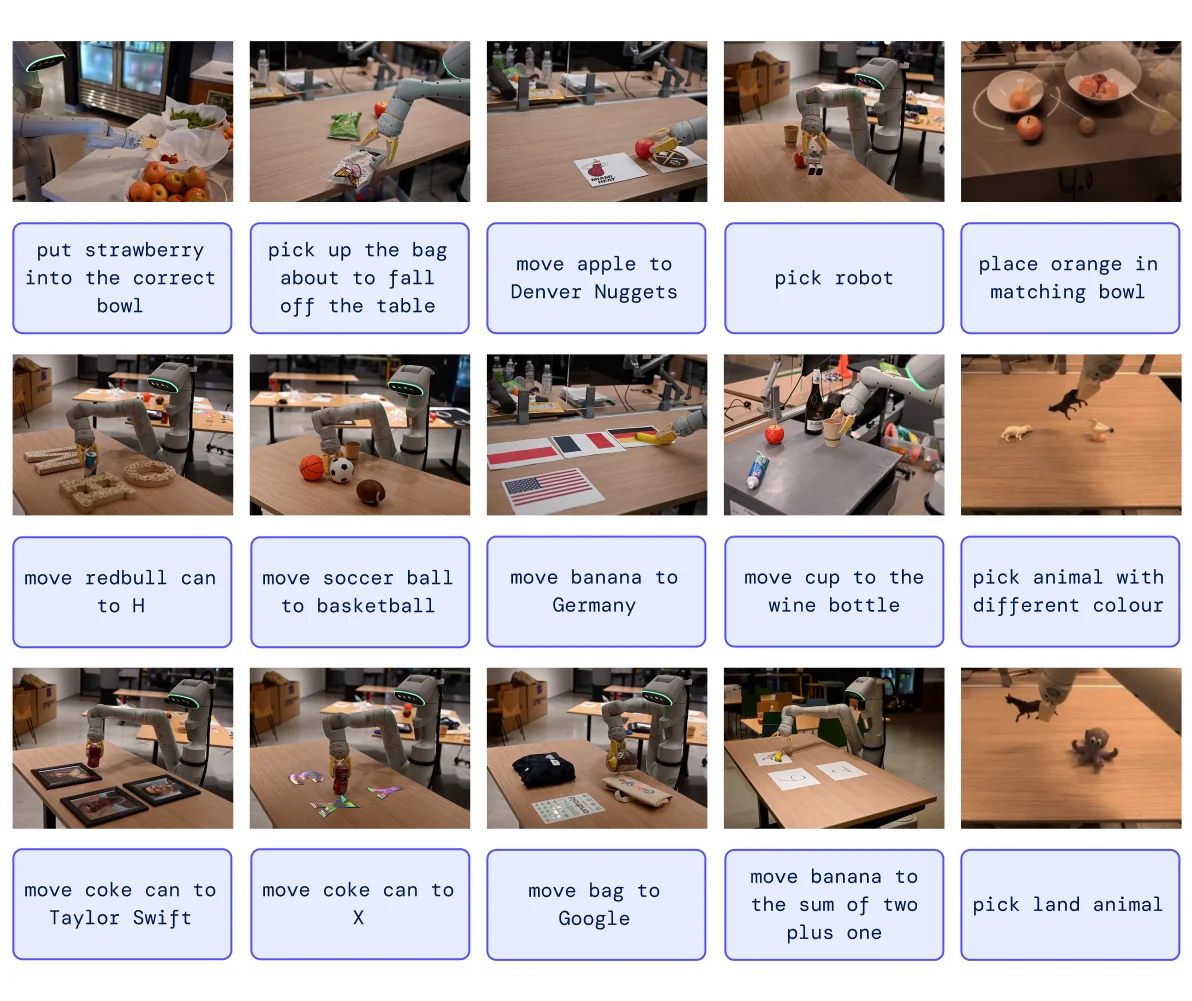
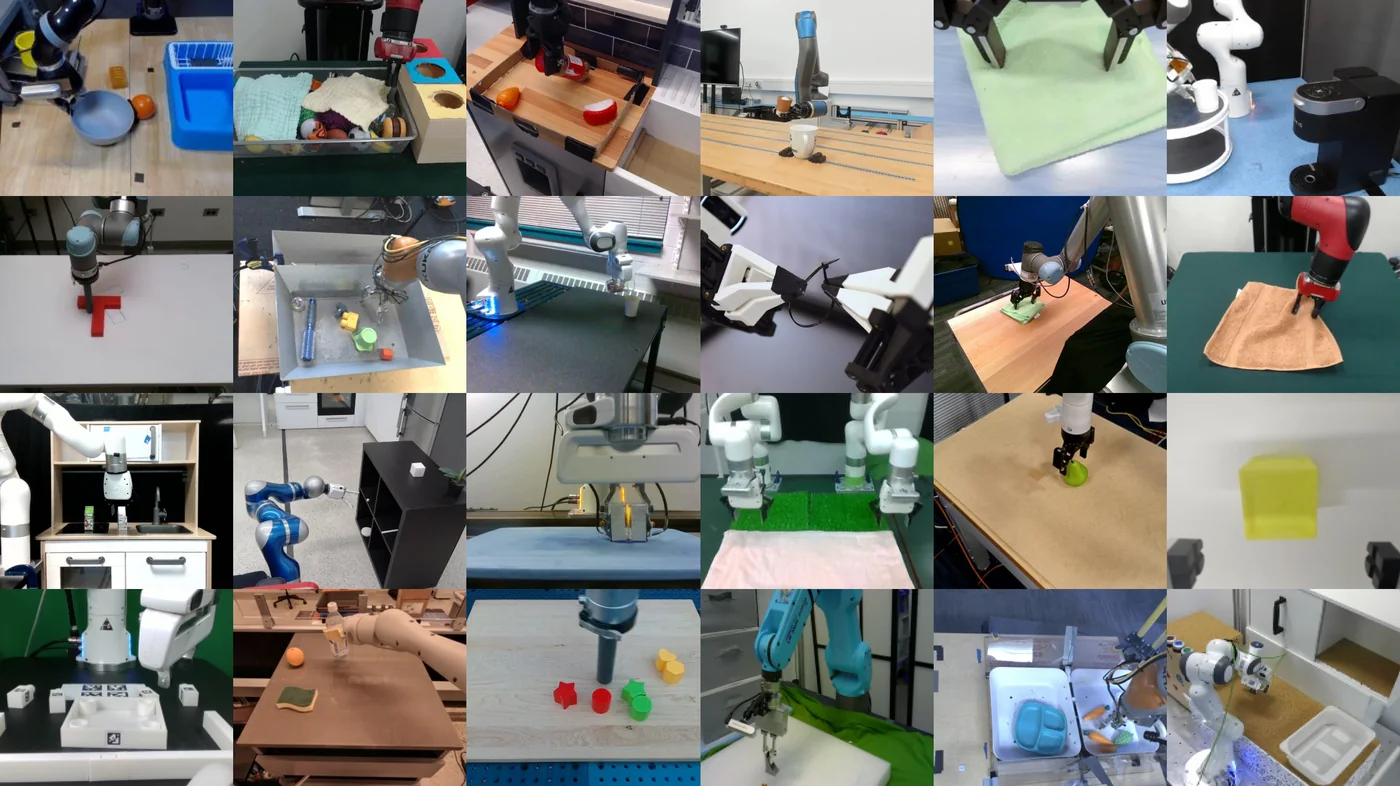
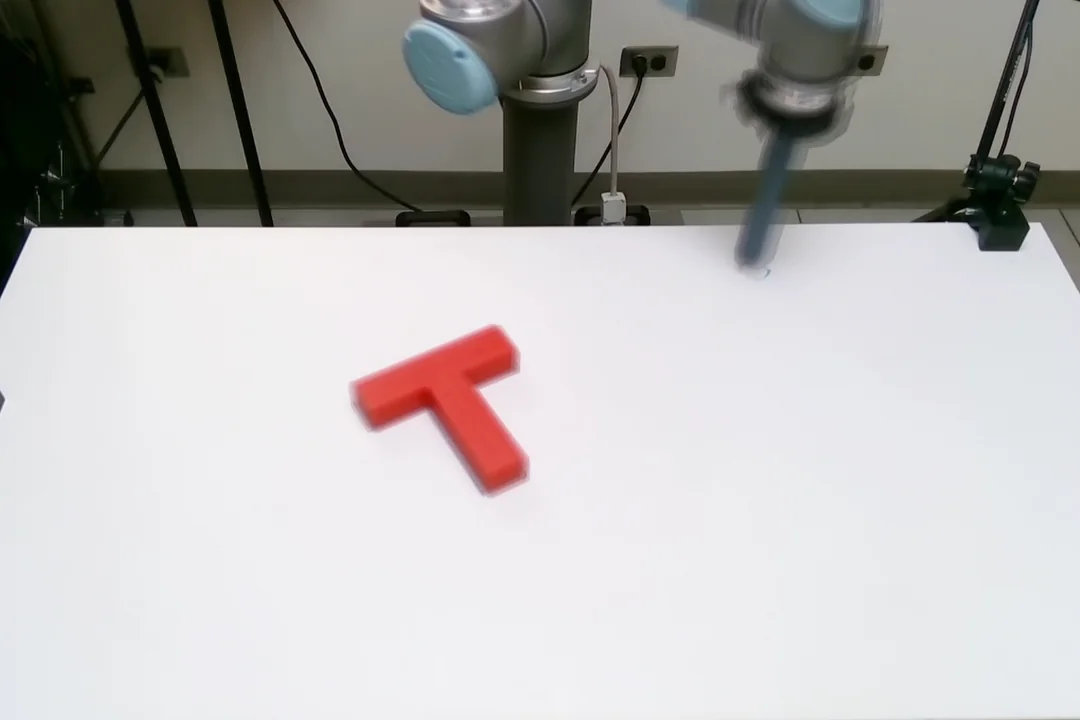
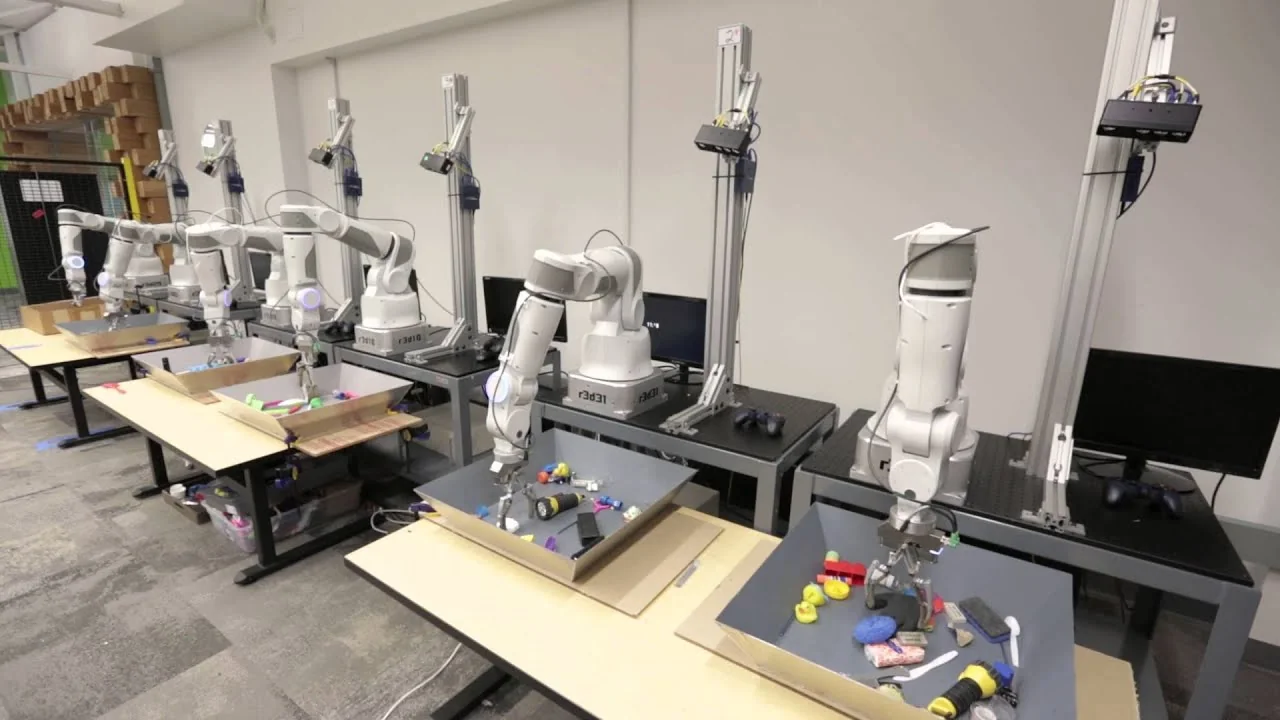

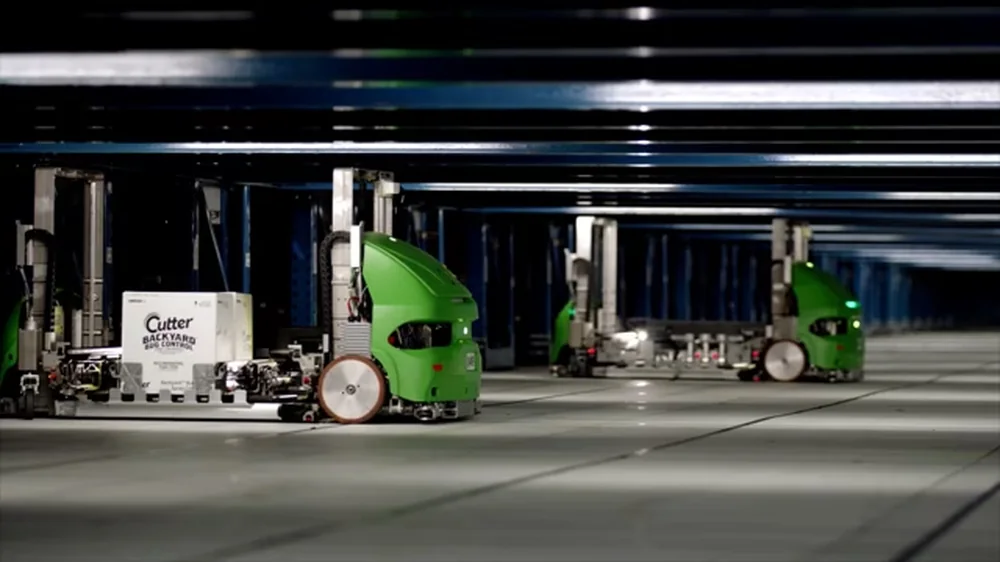
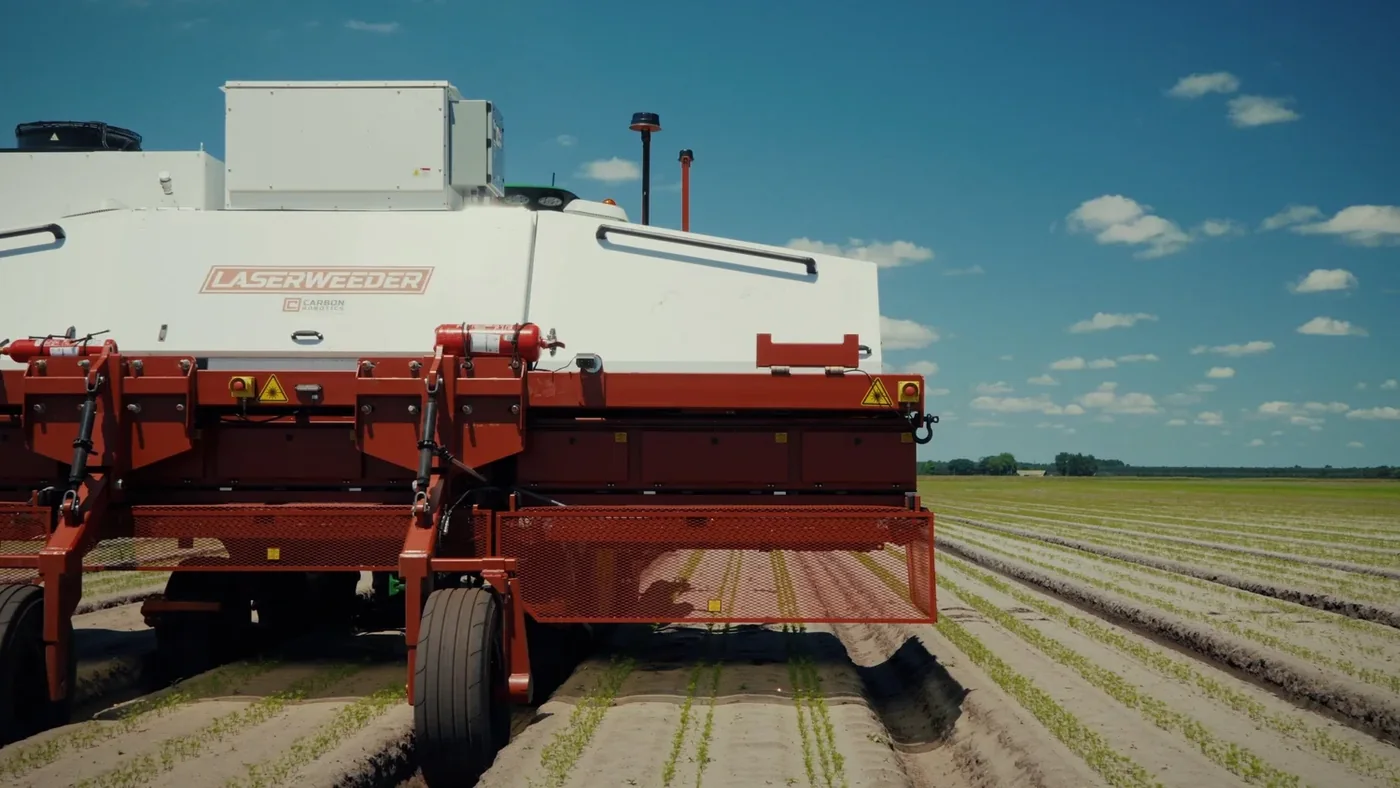
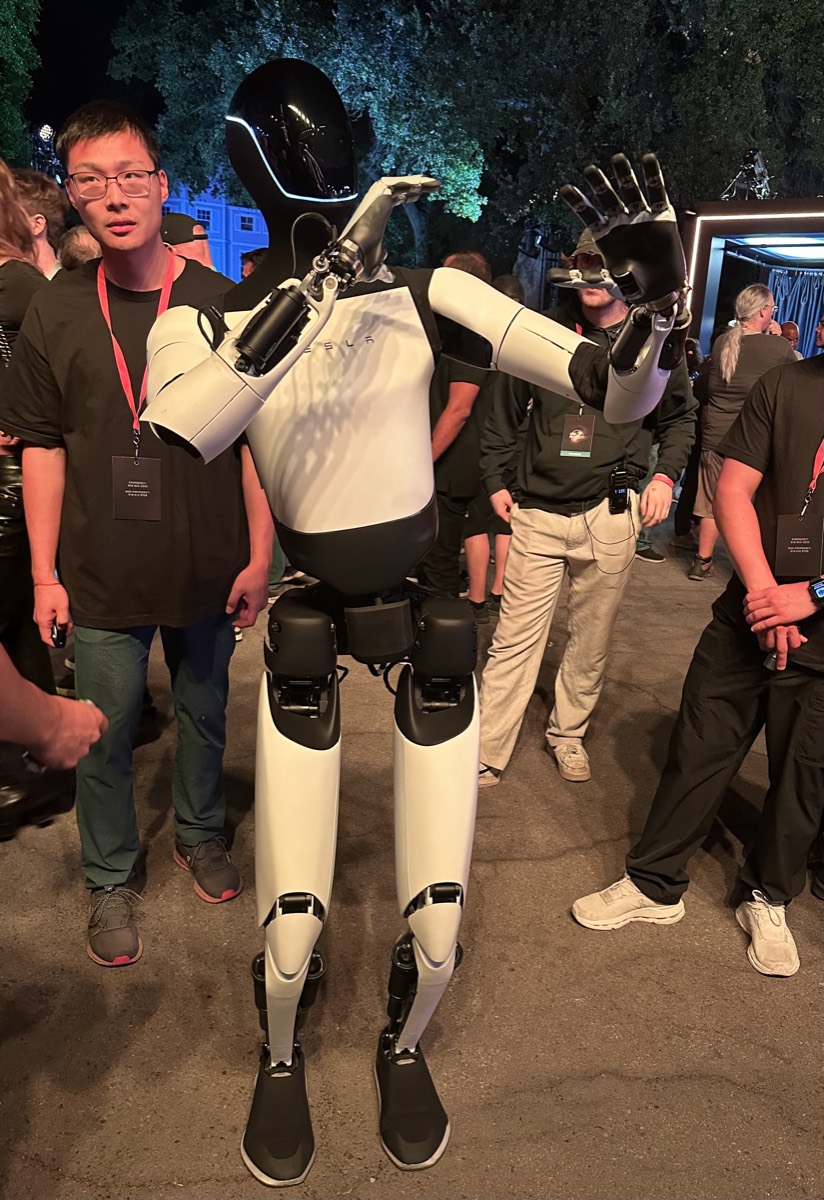
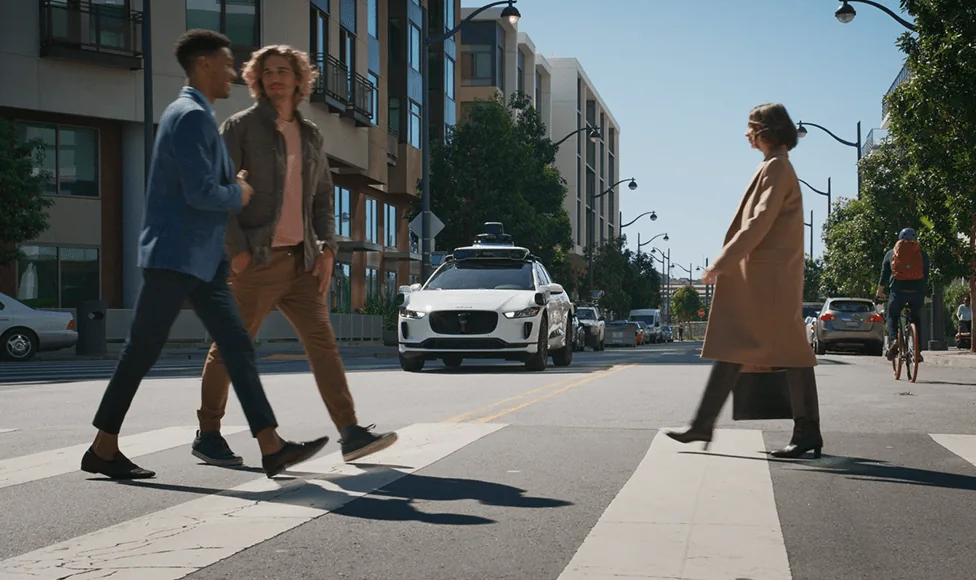

Image credits
RT-2: Vision-Language-Action Models Transfer Web Knowledge to Robotic Control: RT-2 project authors / Google DeepMind ↗Open X-Embodiment: Robotic Learning Datasets and RT-X Models: Open X-Embodiment consortium / Google DeepMind and contributing research labs ↗Diffusion Policy: Visuomotor Policy Learning via Action Diffusion: Diffusion Policy project authors — Cheng Chi, Zhenjia Xu, Siyuan Feng, Eric Cousineau, Yilun Du, Benjamin Burchfiel, Russ Tedrake, and Shuran Song ↗Learning Hand-Eye Coordination for Robotic Grasping with Deep Learning and Large-Scale Data Collection: Google Research and X; research by Sergey Levine, Peter Pastor, Alex Krizhevsky, and Deirdre Quillen ↗NVIDIA Jetson AGX Orin: NVIDIA ↗Symbotic System: Symbotic ↗LaserWeeder: Carbon Robotics ↗Tesla Optimus: Steve Jurvetson · CC BY 2.0 ↗Waymo Driver: Waymo ↗Tesla Cybercab: Dllu / Wikimedia Commons · CC BY-SA 4.0 ↗
Capabilities depend on implementation, operating environment, training data, hardware and safety controls. Follow the connected records and sources before generalizing.