LEARN / TECHNOLOGY
Radar
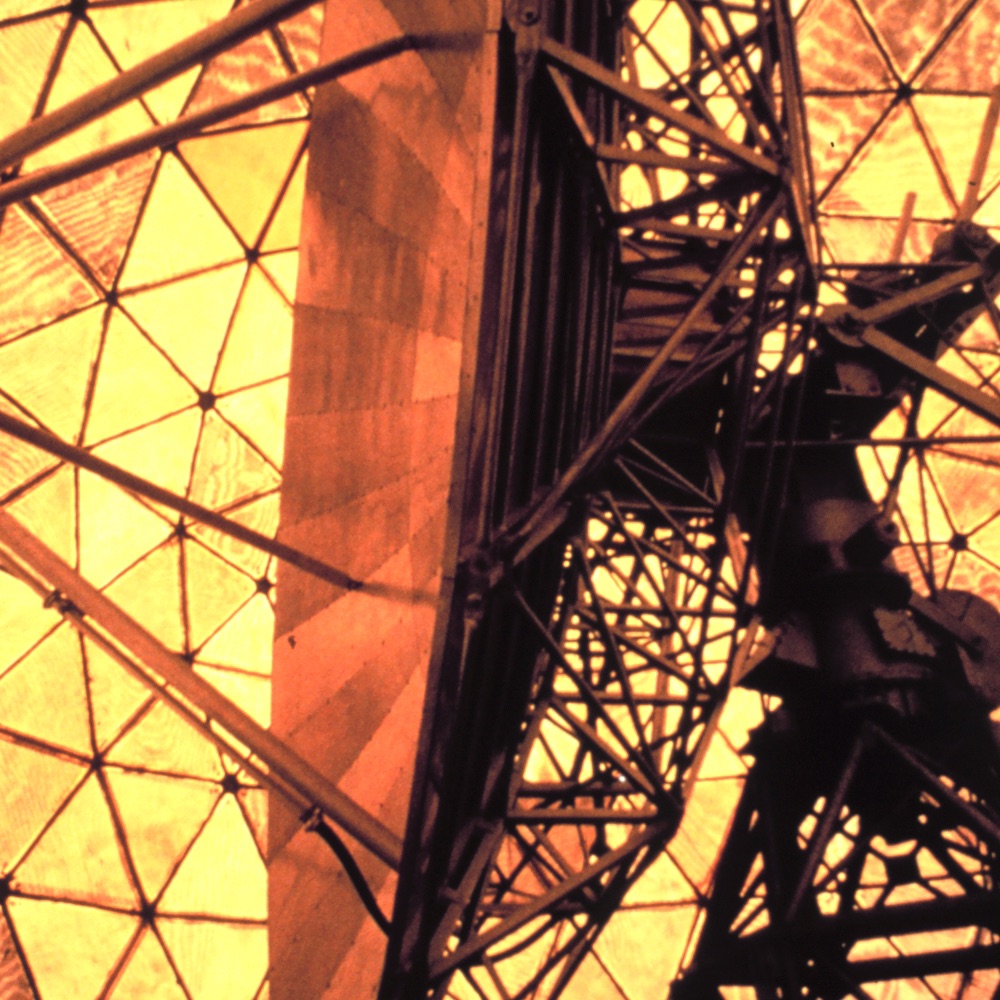
Radar transmits radio waves and analyzes reflected energy to estimate range, direction and often relative velocity.
How it works
A transmitter sends radio-frequency energy; signal processing compares received echoes with the transmitted waveform.
Why it matters
Radar can provide robust ranging and motion measurements across many lighting and weather conditions.
Advantages
- works without visible light
- direct velocity measurement in many designs
- useful in adverse weather
Limitations
- lower spatial resolution than many cameras or lidars
- multipath reflections
- interpretation requires signal processing
See it in the Observatory
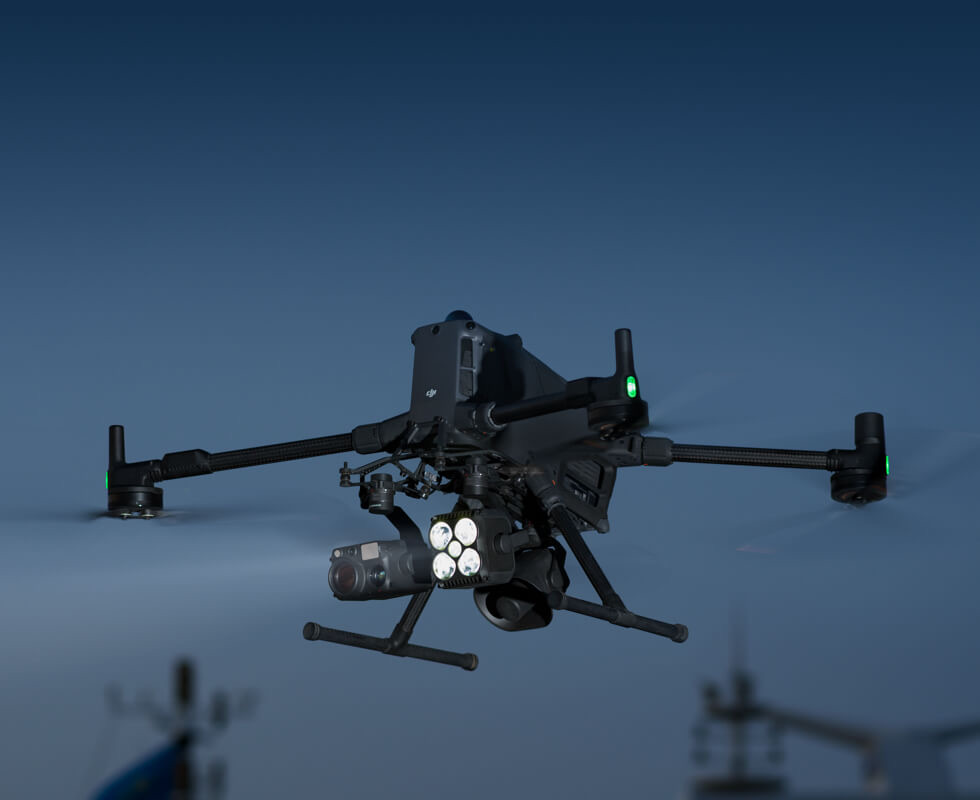


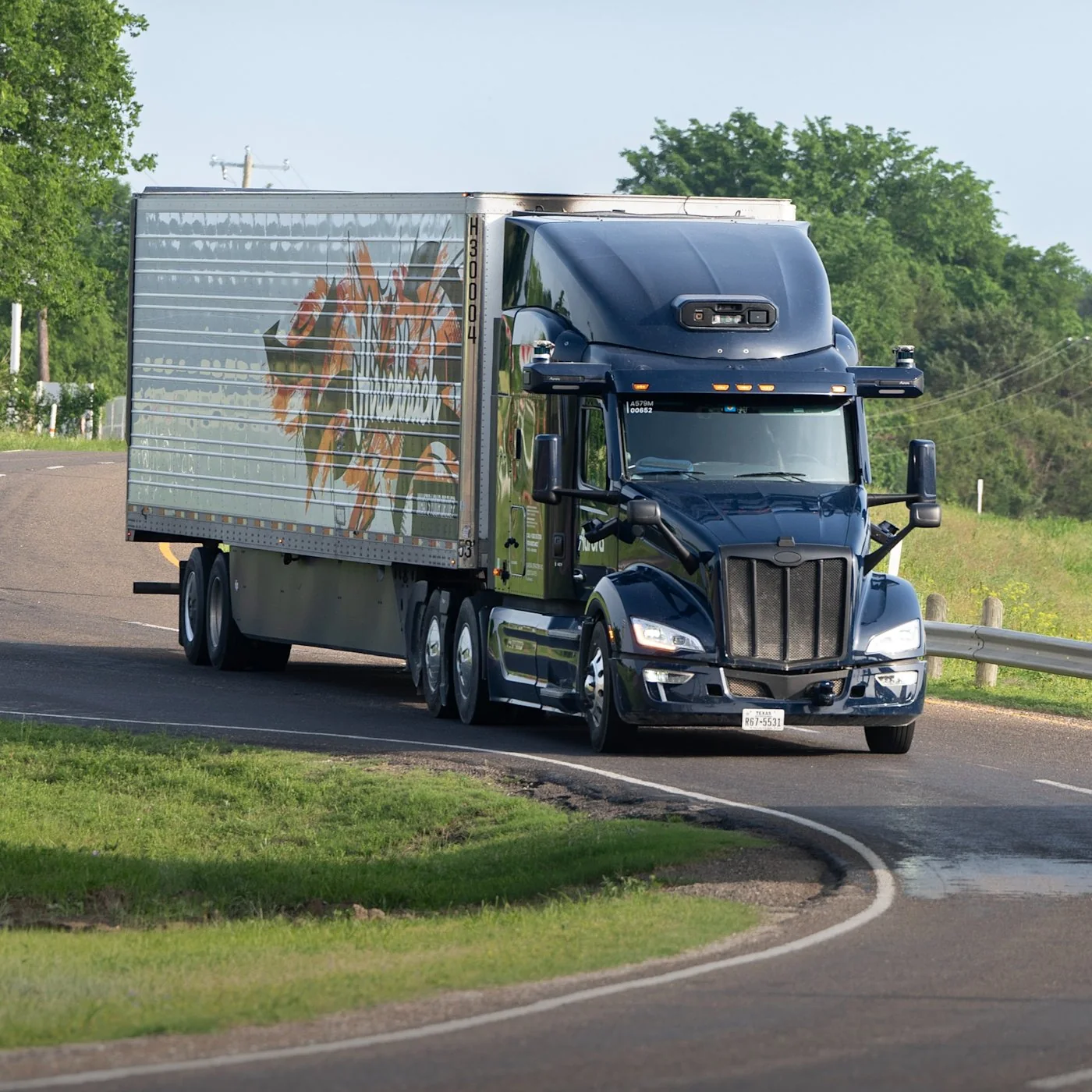
Image credits
DJI Matrice 400: DJI Enterprise ↗Waymo Driver: Waymo ↗Zoox Robotaxi: Zoox, Inc. ↗Aurora Driver: Aurora Innovation ↗
A definition is a starting point.
Capabilities depend on implementation, operating environment, training data, hardware and safety controls. Follow the connected records and sources before generalizing.