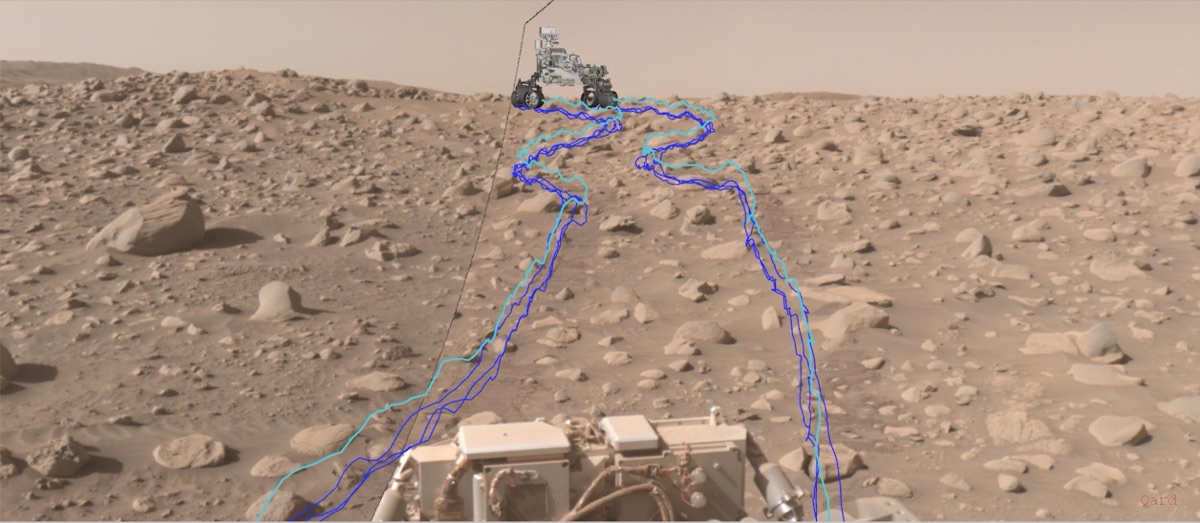
Autonomous Navigation
Autonomous navigation combines perception, localization, planning and control so a machine can move toward goals with limited direct human input.
How it works
Sensor data informs a state estimate; planners choose feasible paths; controllers execute commands while monitoring hazards and progress.
Why it matters
Navigation is foundational for mobile robots, drones, vehicles and planetary rovers.
Advantages
- repeatable mobility
- reduced continuous operator workload
- operation in hazardous environments
Limitations
- edge cases and changing environments
- safety assurance
- sensor and map dependencies
See it in the Observatory
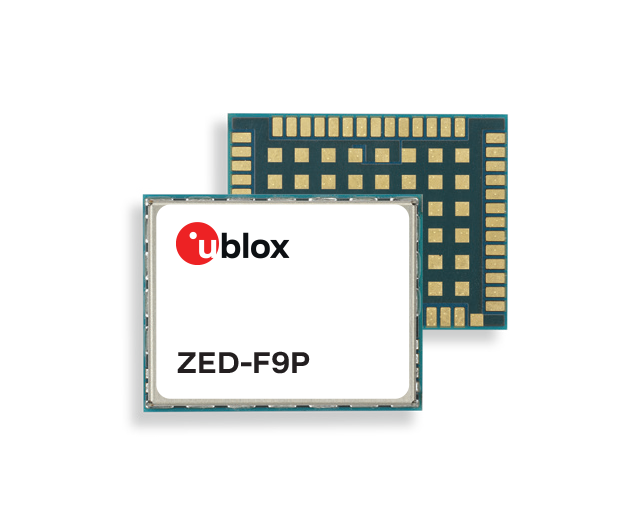
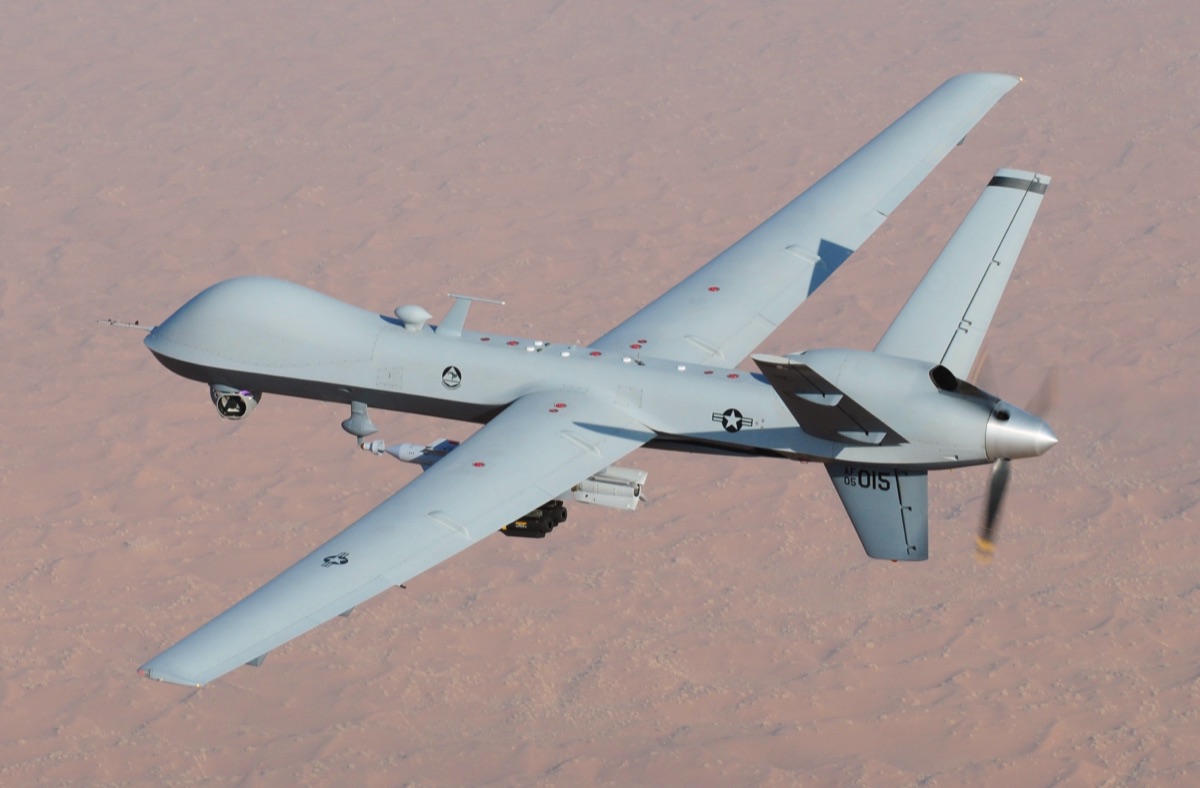
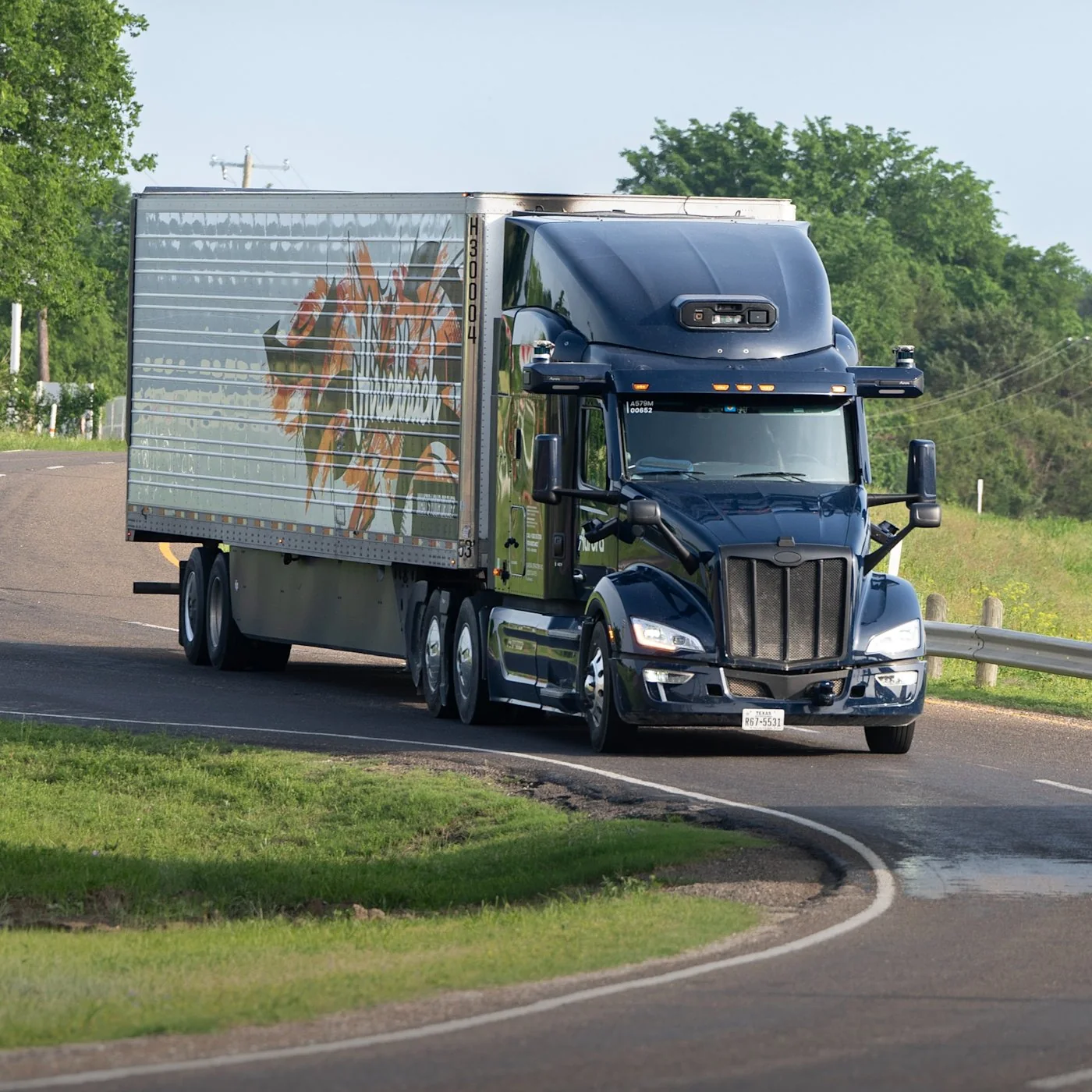
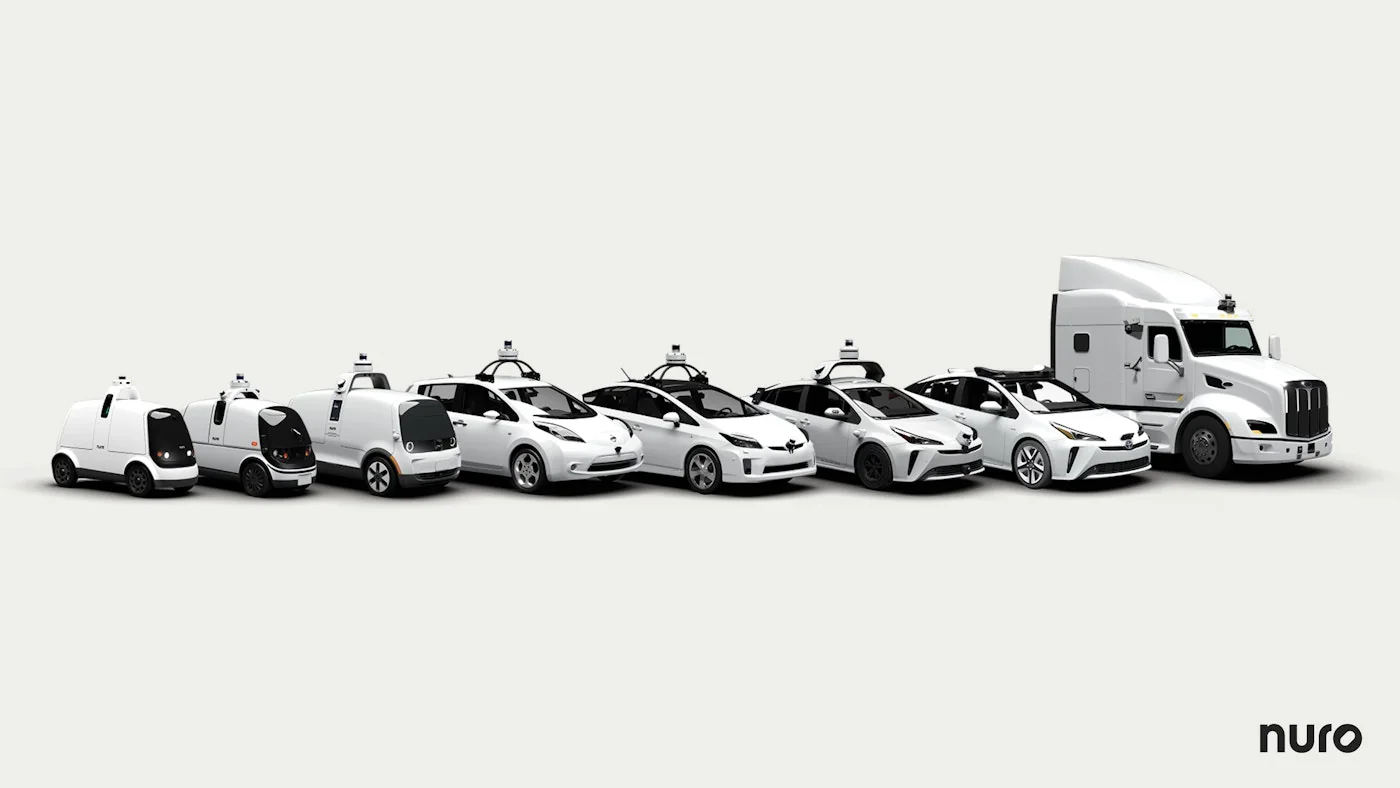
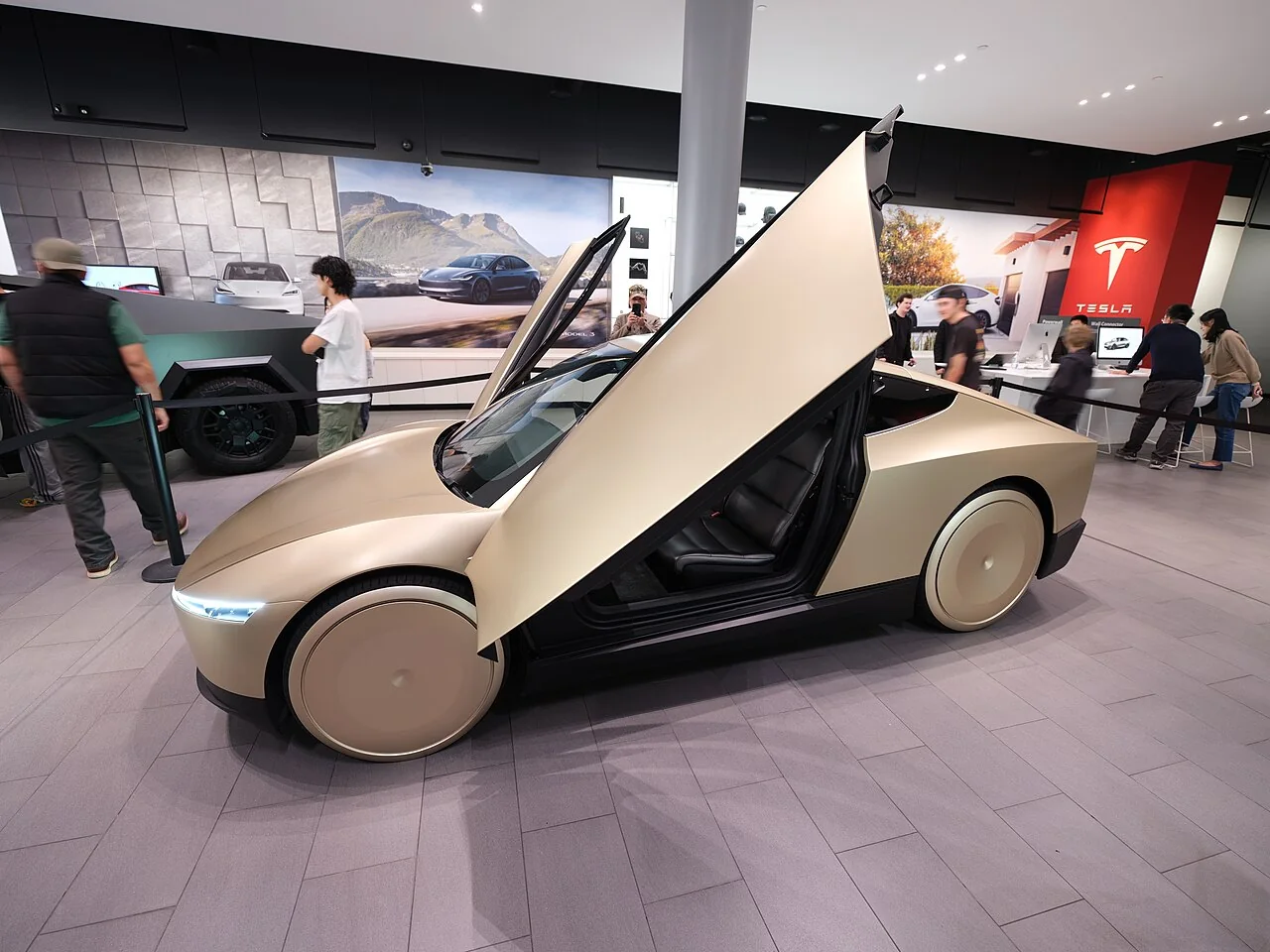
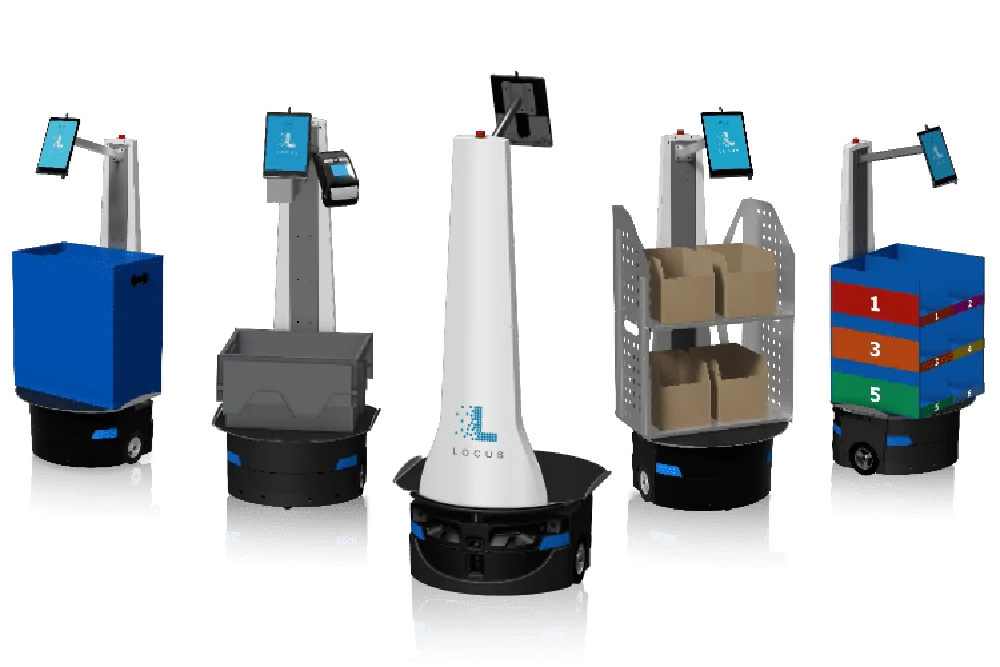
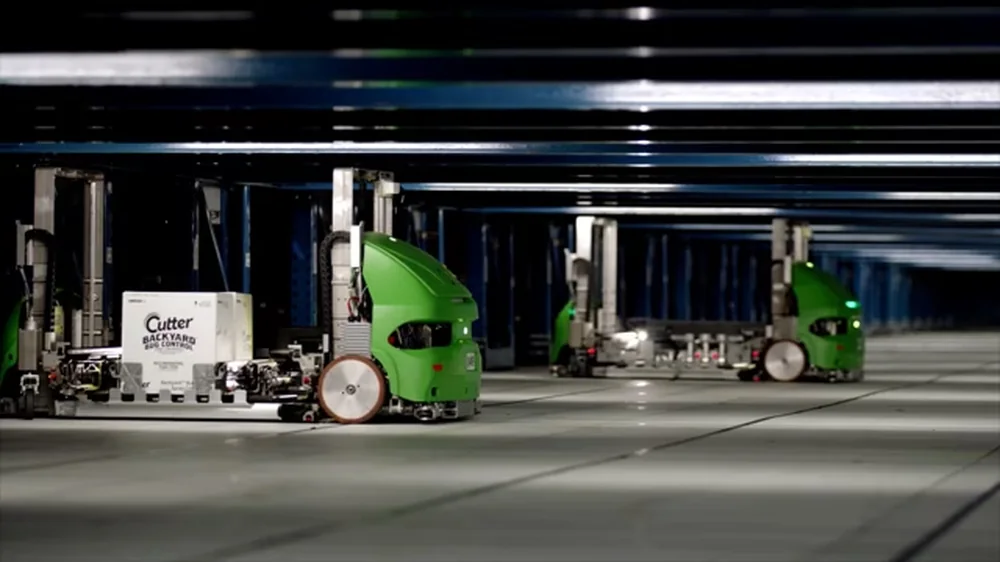
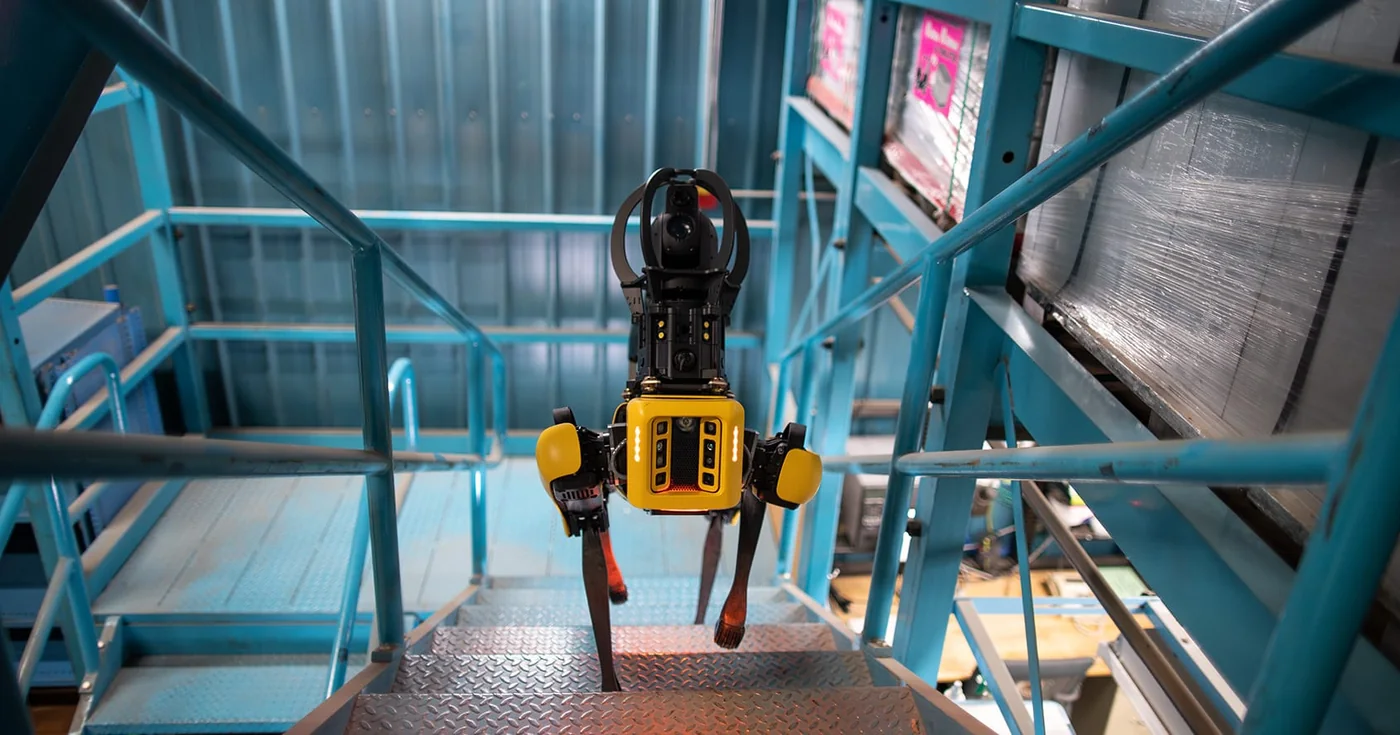
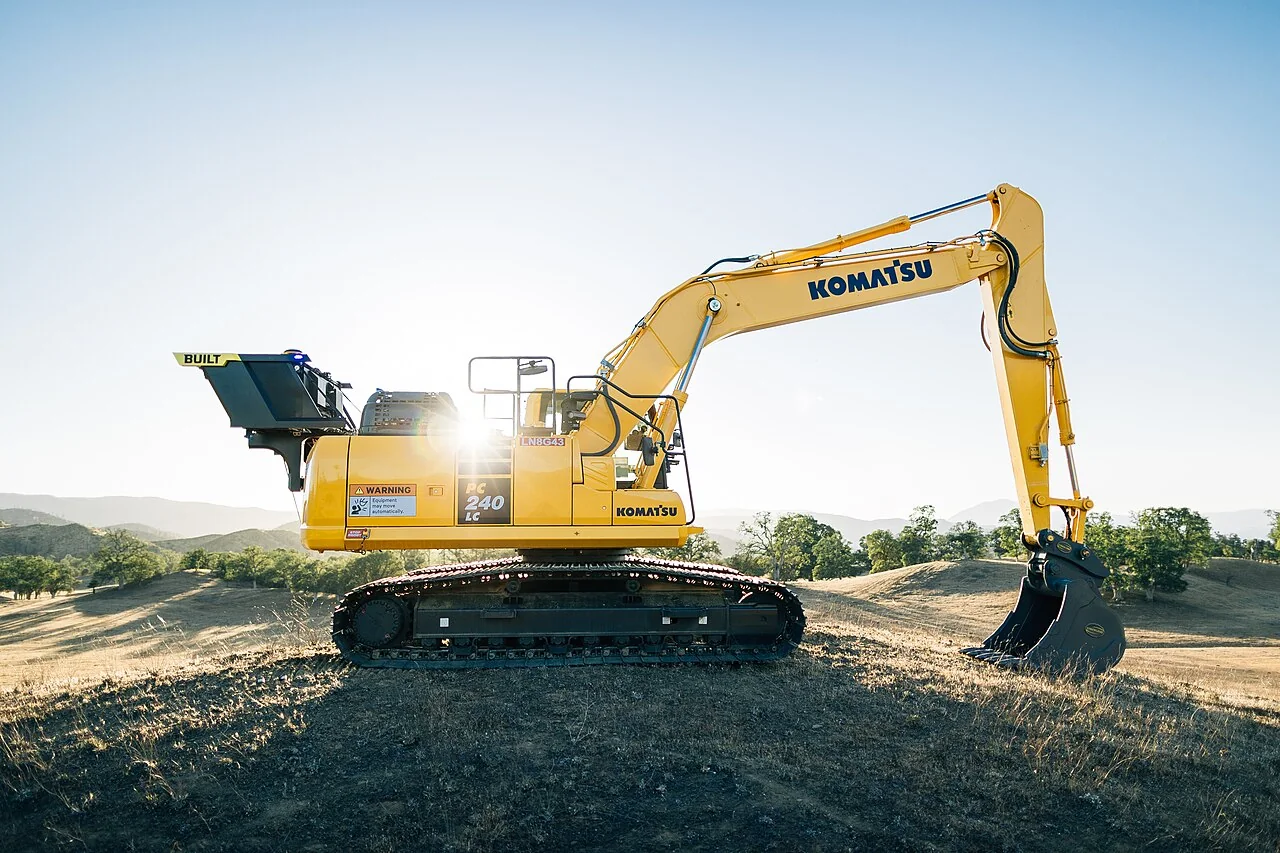
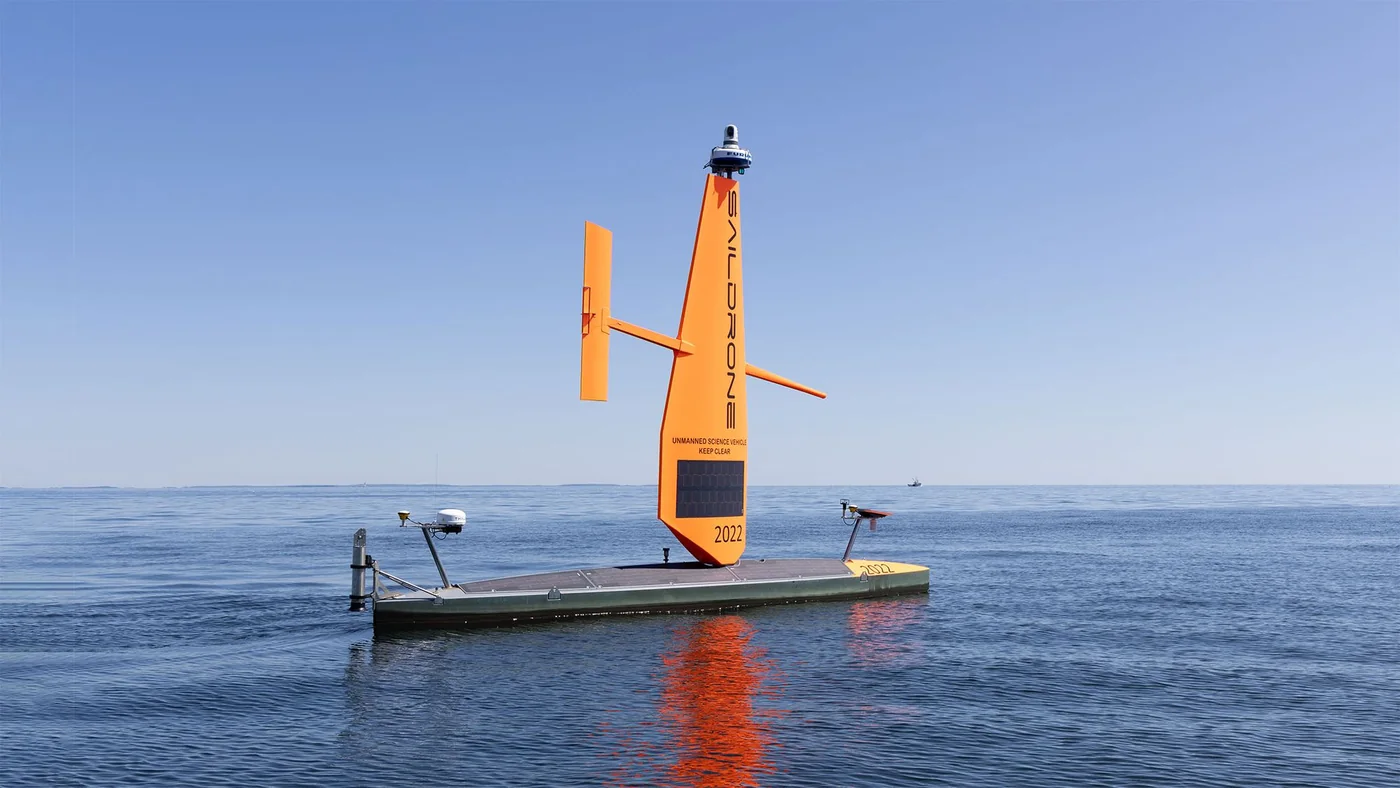
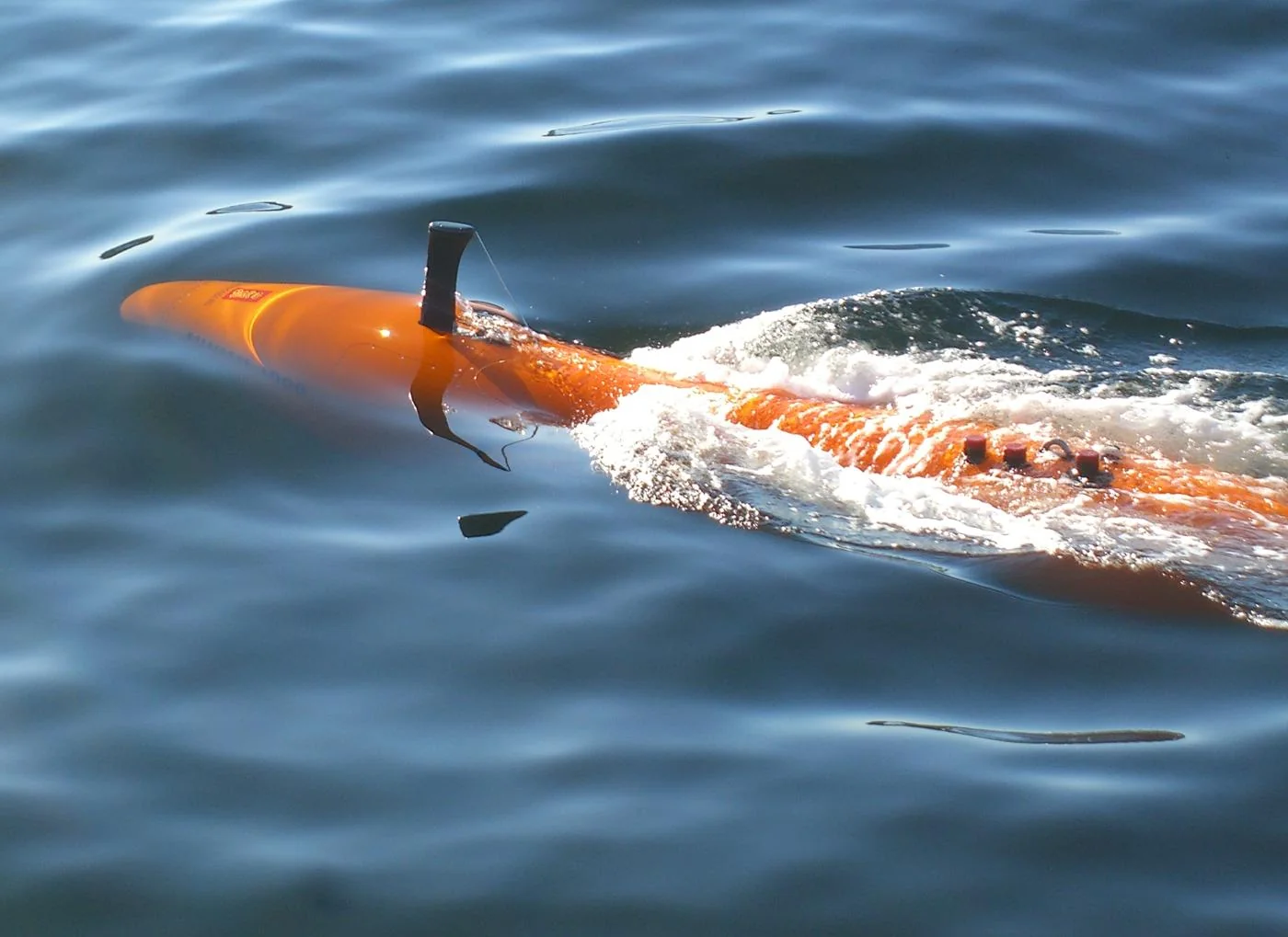
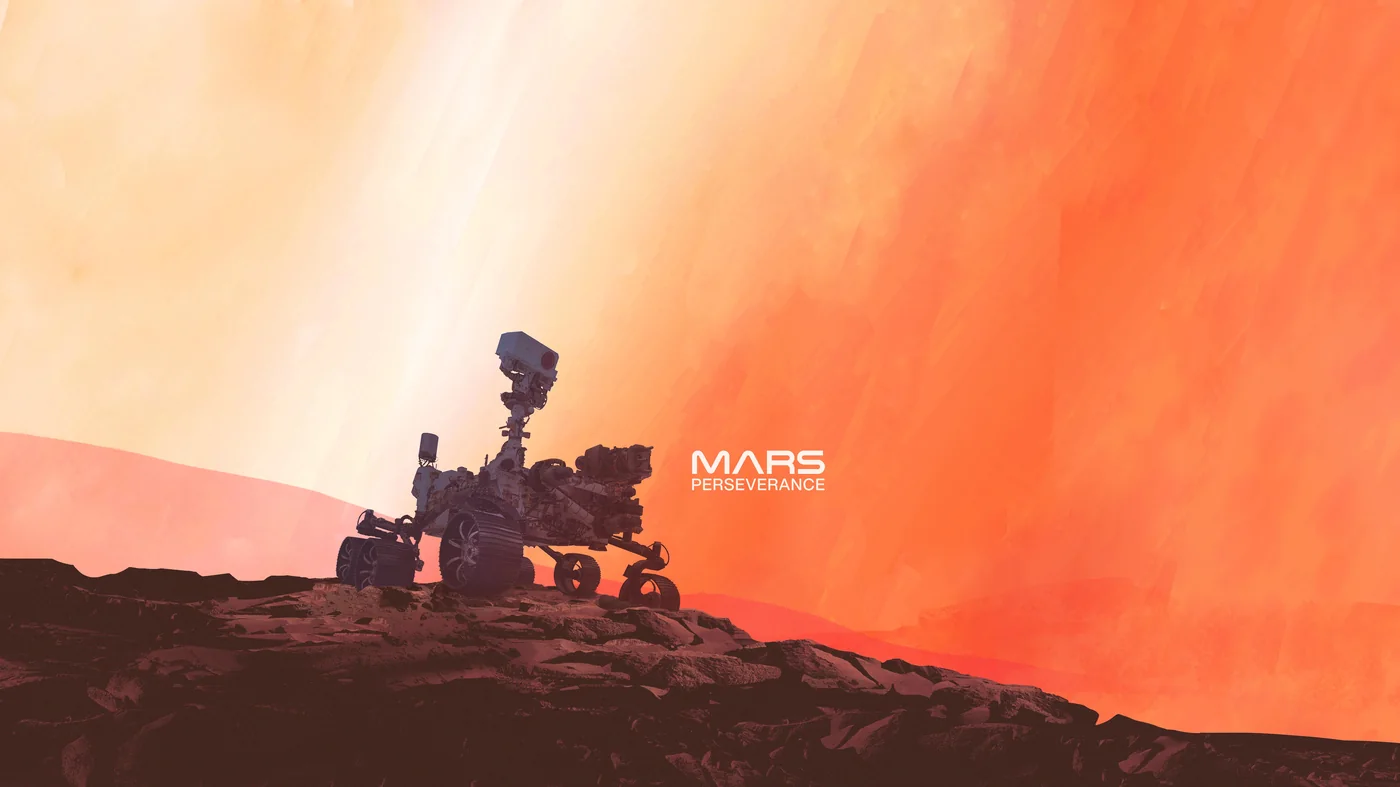
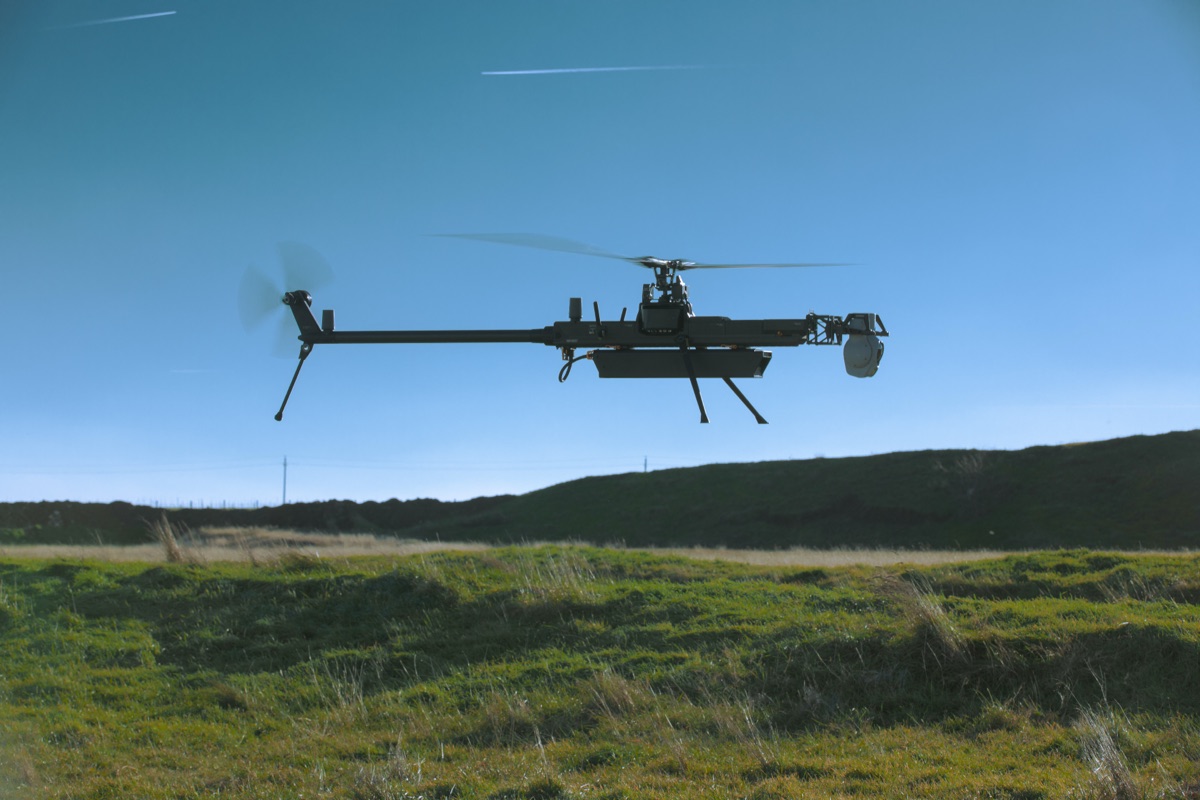
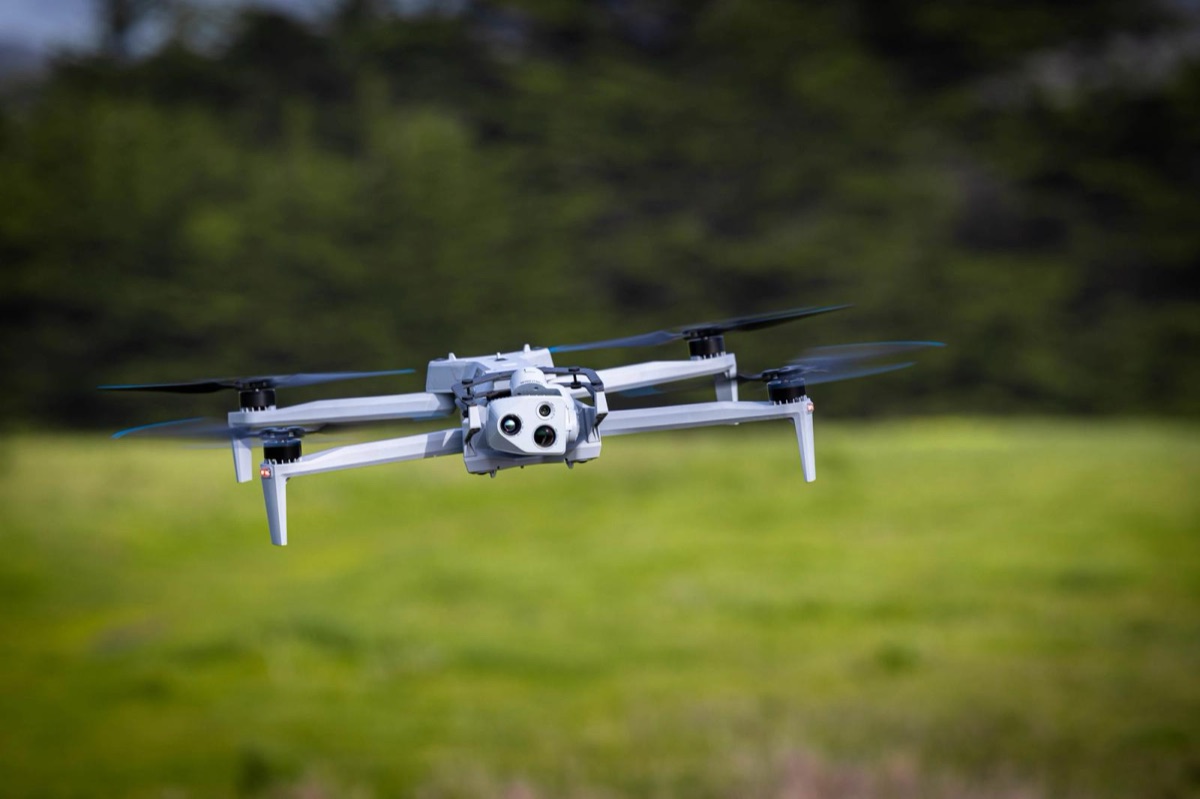
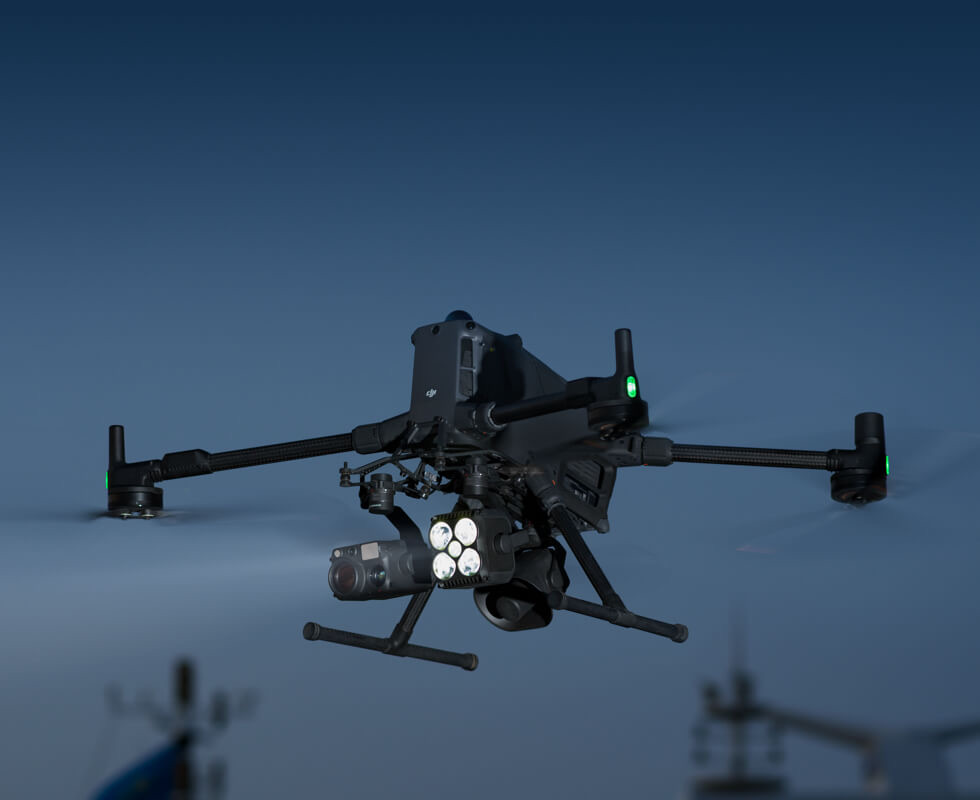
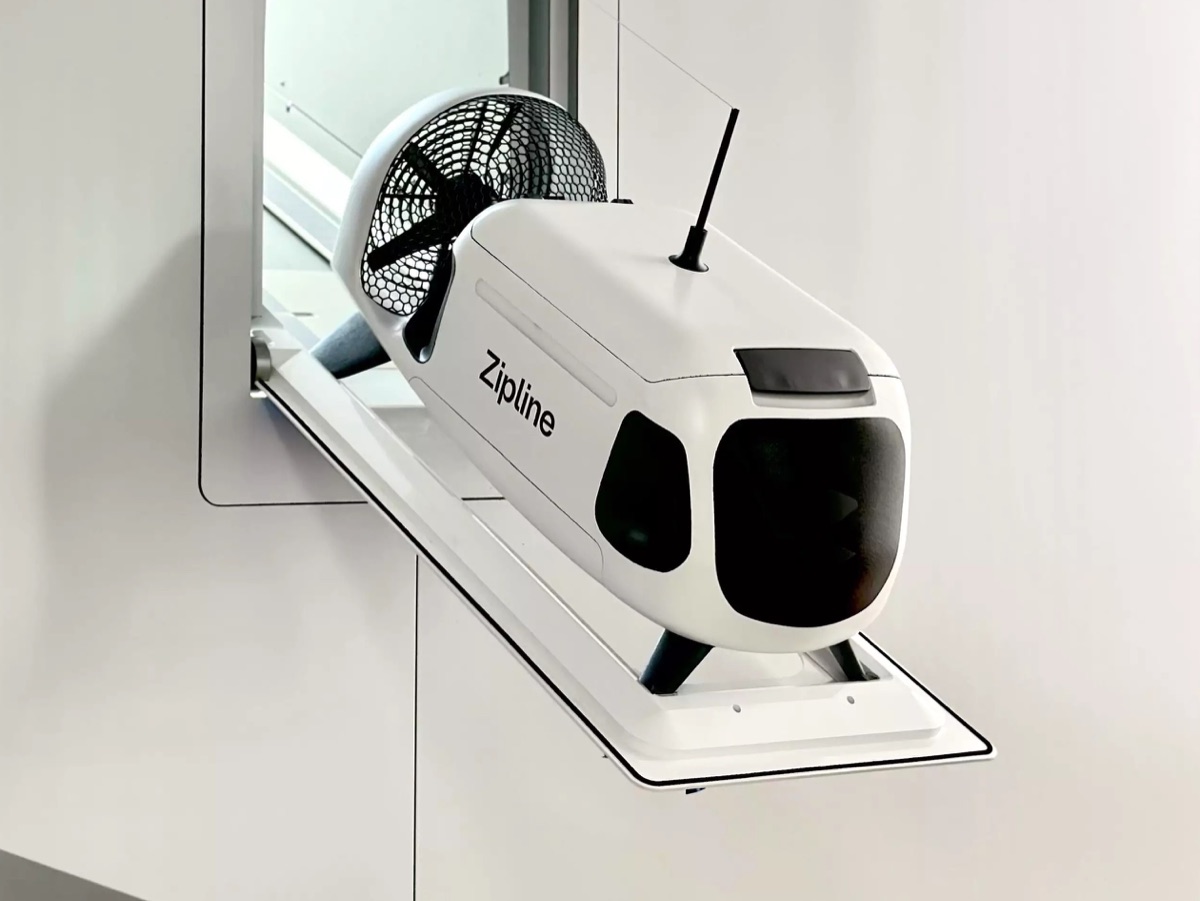
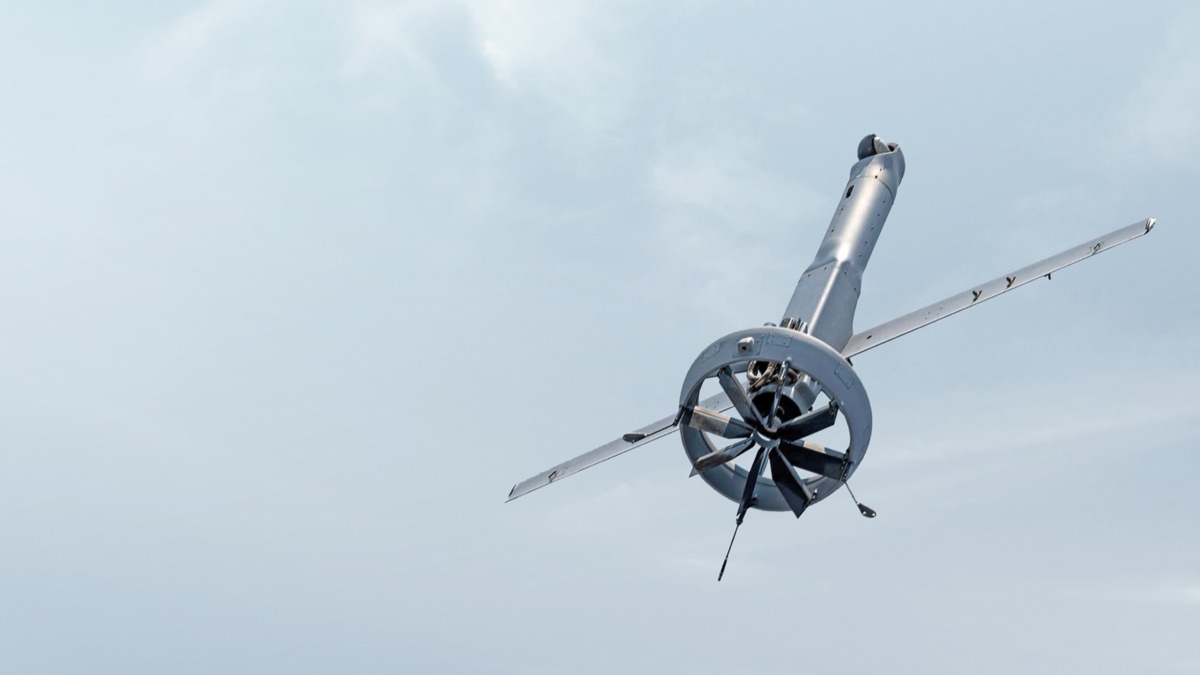
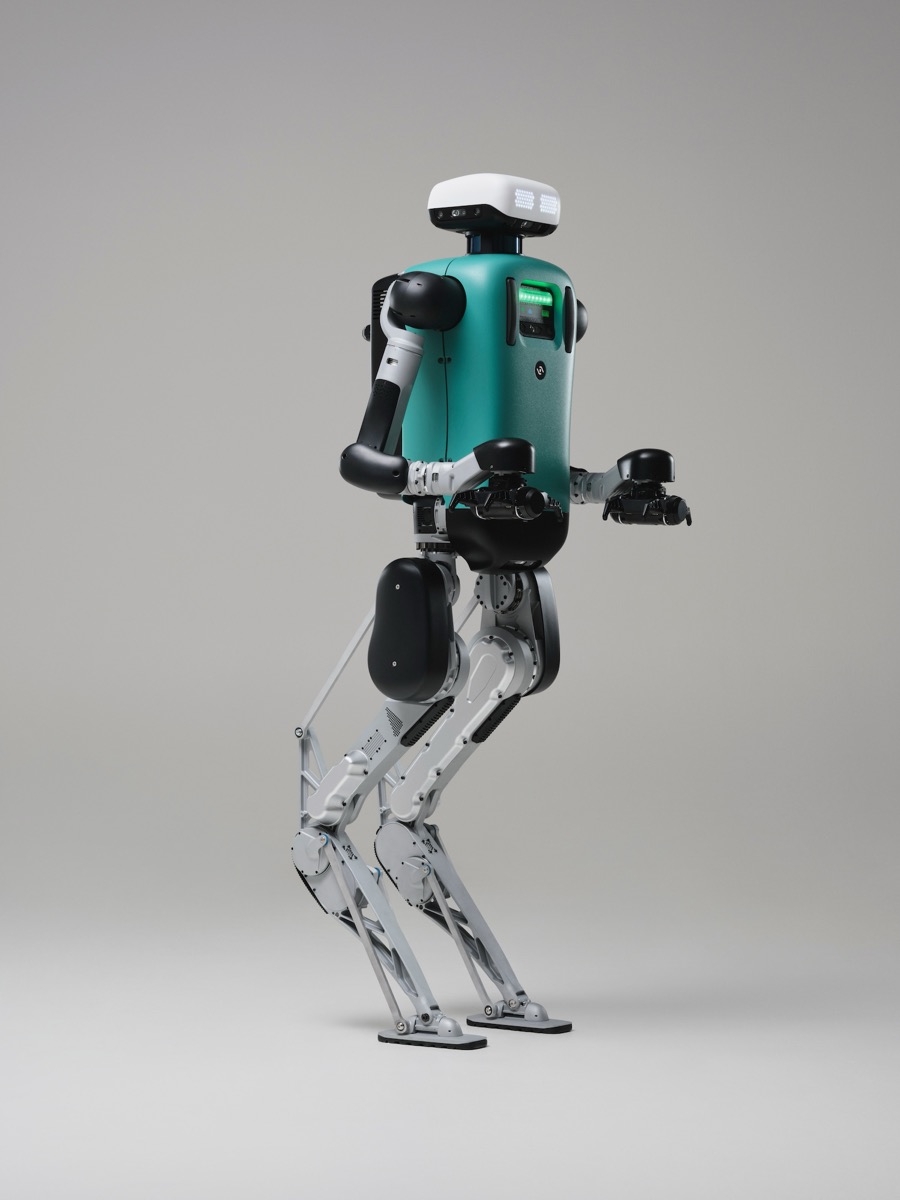
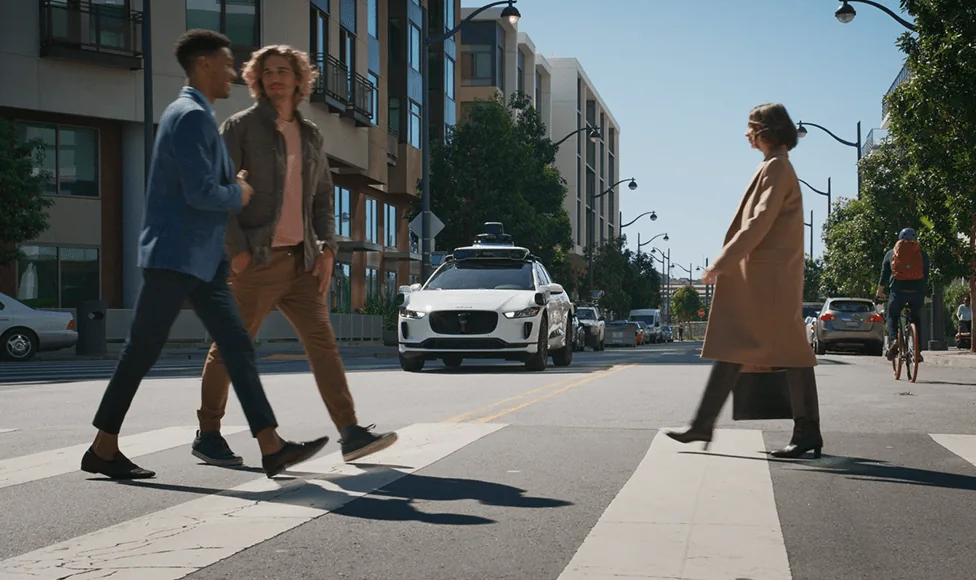
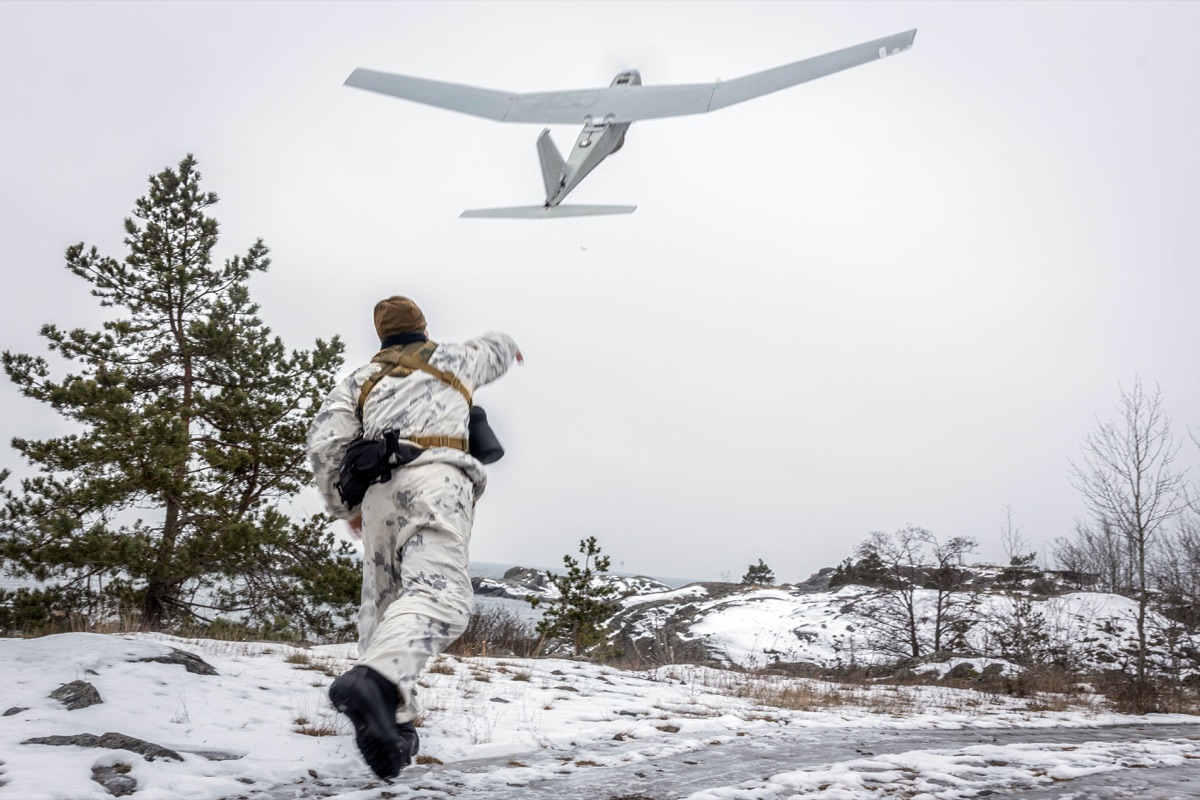
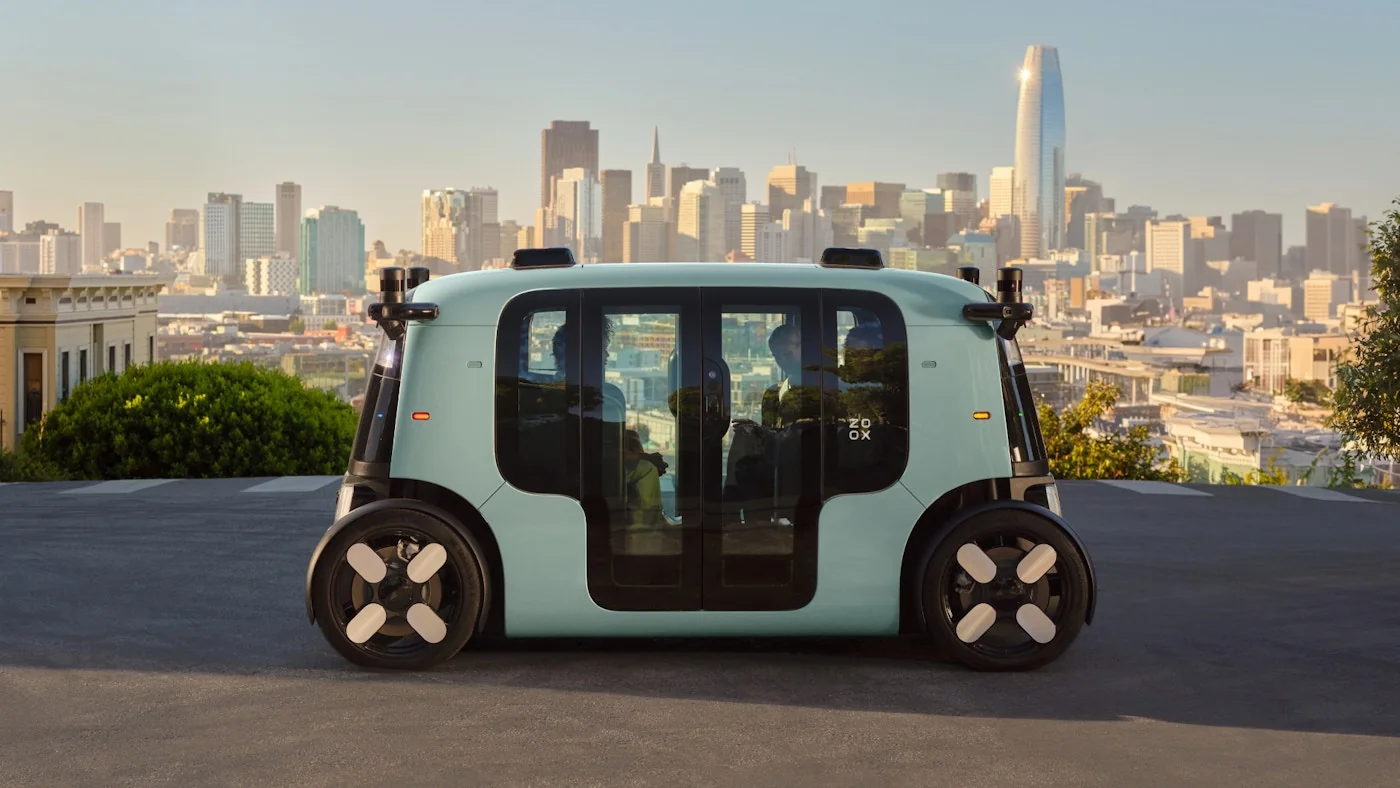
Image credits
u-blox ZED-F9P: u-blox ↗MQ-9A Reaper: U.S. Air Force photo by Lt. Col. Leslie Pratt · Public domain ↗Aurora Driver: Aurora Innovation ↗Nuro Driver: Nuro ↗Tesla Cybercab: Dllu / Wikimedia Commons · CC BY-SA 4.0 ↗Locus Origin: Locus Robotics ↗Symbotic System: Symbotic ↗Spot: Boston Dynamics ↗Exosystem: Built Robotics, Inc. / Wikimedia Commons · CC BY-SA 4.0 ↗Saildrone Voyager: Saildrone ↗HUGIN: Kongsberg Discovery ↗Perseverance: NASA/JPL-Caltech ↗Ghost: U.S. Army photo by Pfc. Nathan Arellano Tlaczani · Public domain ↗Skydio X10: Skydio ↗DJI Matrice 400: DJI Enterprise ↗Zipline Platform 2: Zipline ↗V-BAT: Lilykhinz · CC BY-SA 4.0 ↗Digit: Agility Robotics ↗Waymo Driver: Waymo ↗Puma AE: U.S. Marine Corps photo by Lance Cpl. Brian Bolin Jr. · Public domain ↗Zoox Robotaxi: Zoox, Inc. ↗
Capabilities depend on implementation, operating environment, training data, hardware and safety controls. Follow the connected records and sources before generalizing.