Computer Vision
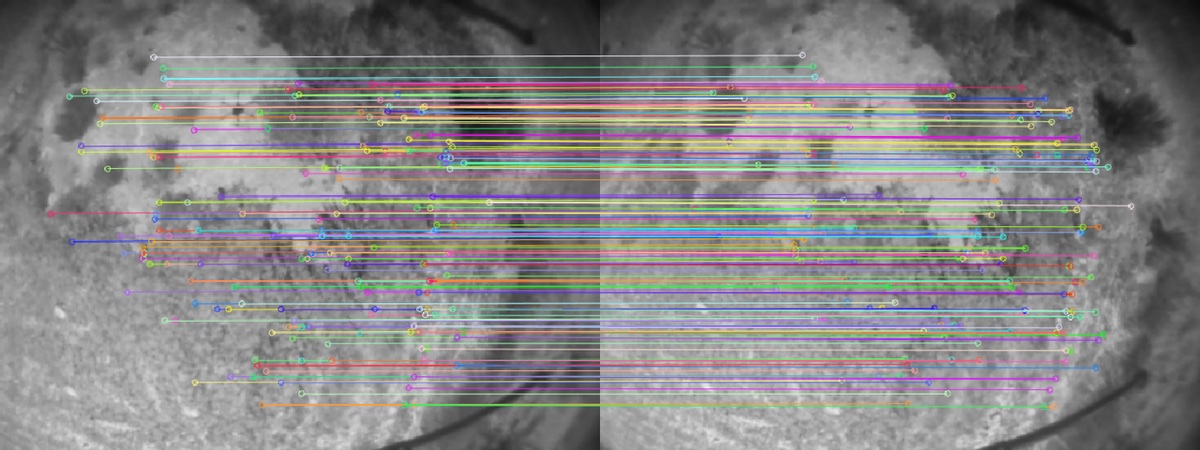
Computer vision uses computational methods to extract information from images and video.
How it works
Models process pixel data to perform tasks such as detection, segmentation, tracking, depth estimation or scene understanding.
Why it matters
Vision lets robots identify objects, people, surfaces and motion using compact, widely available sensors.
Advantages
- rich semantic information
- low-cost cameras
- large research ecosystem
Limitations
- lighting and occlusion sensitivity
- training-data bias
- uncertainty can be difficult to calibrate
See it in the Observatory
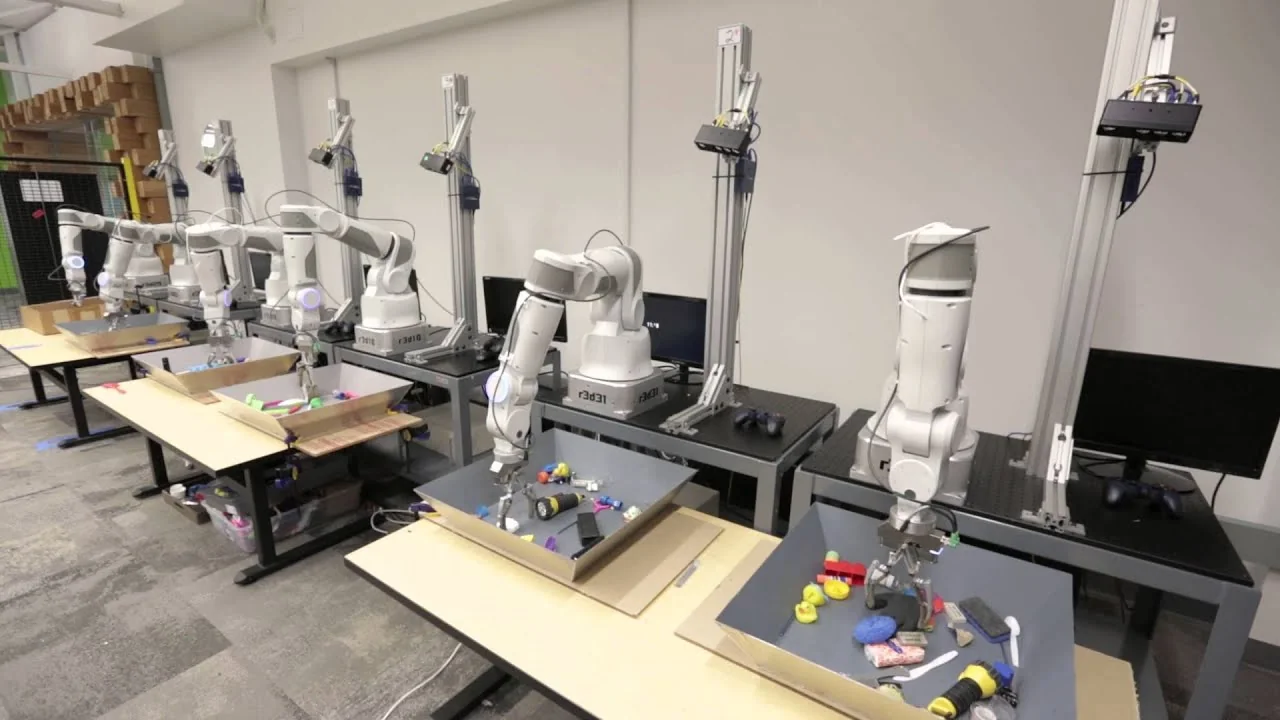
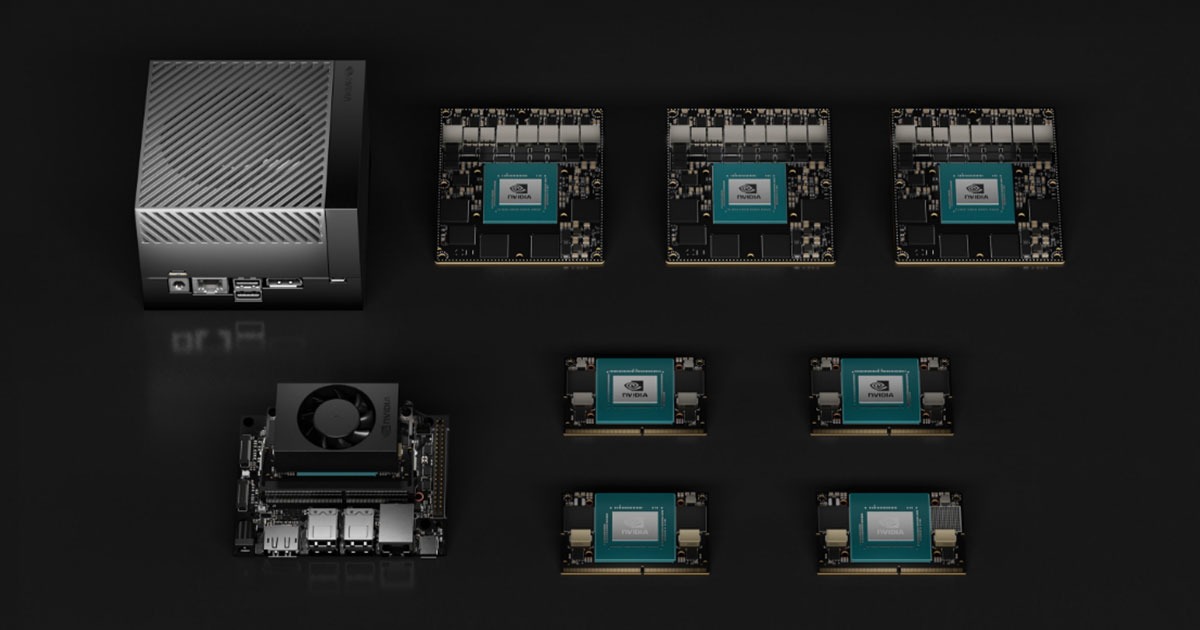
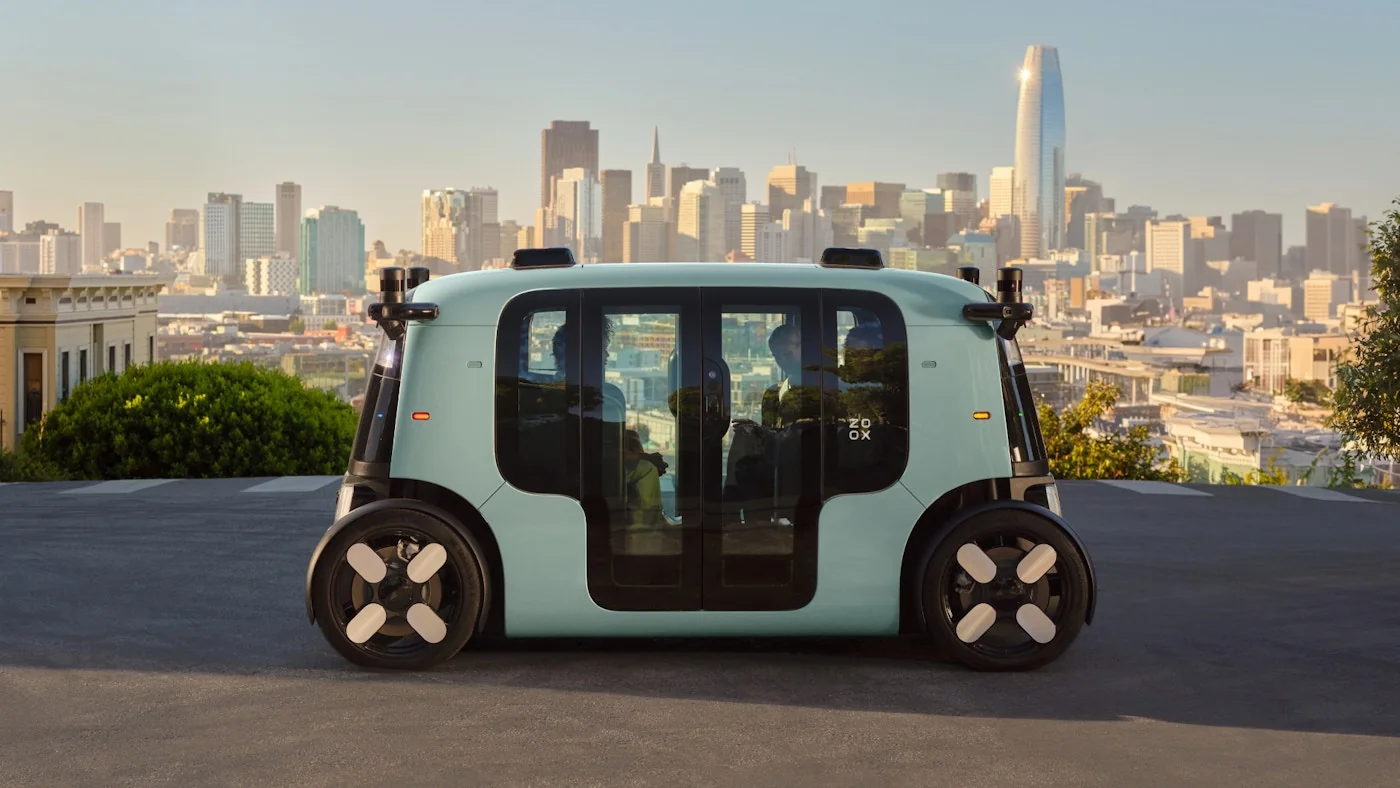
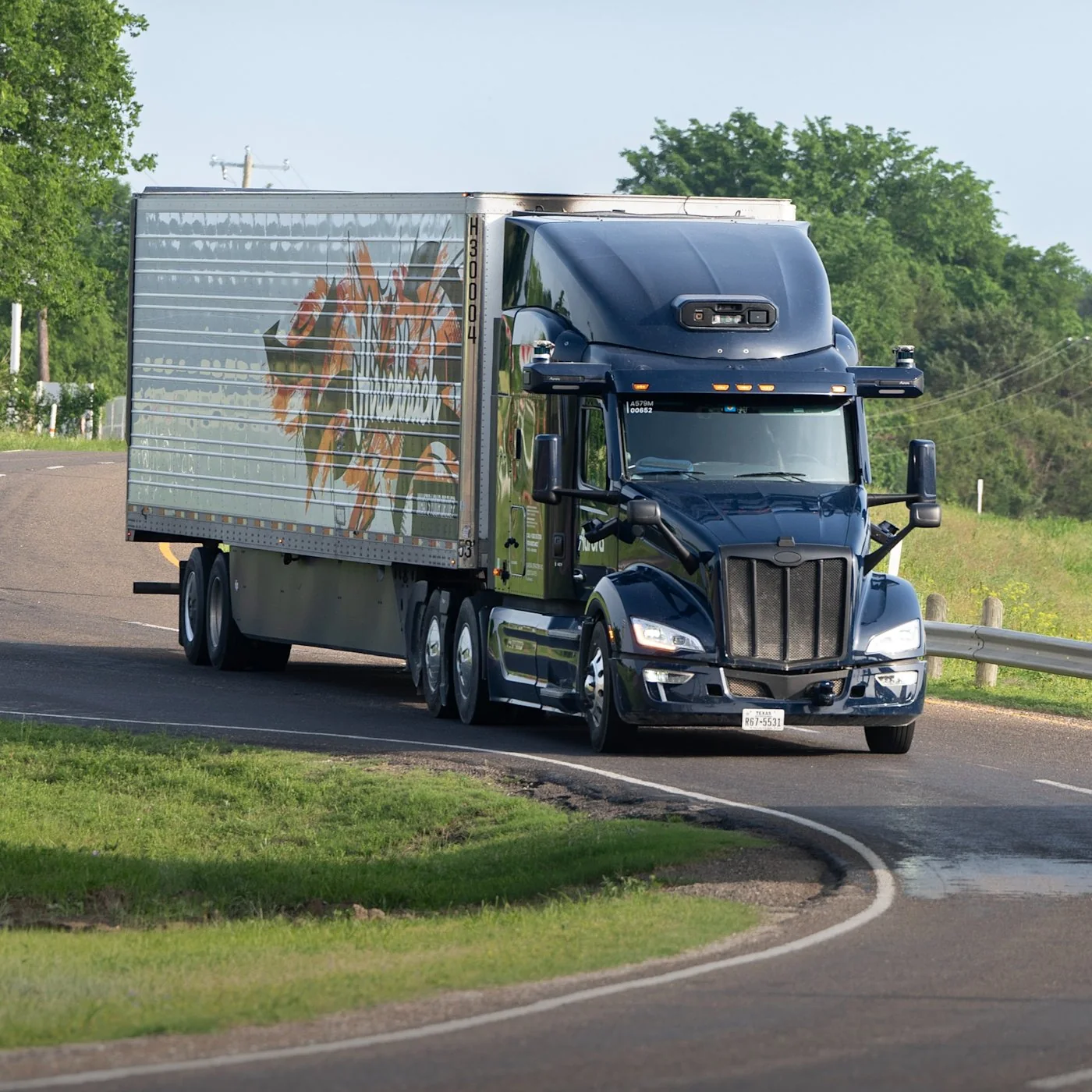
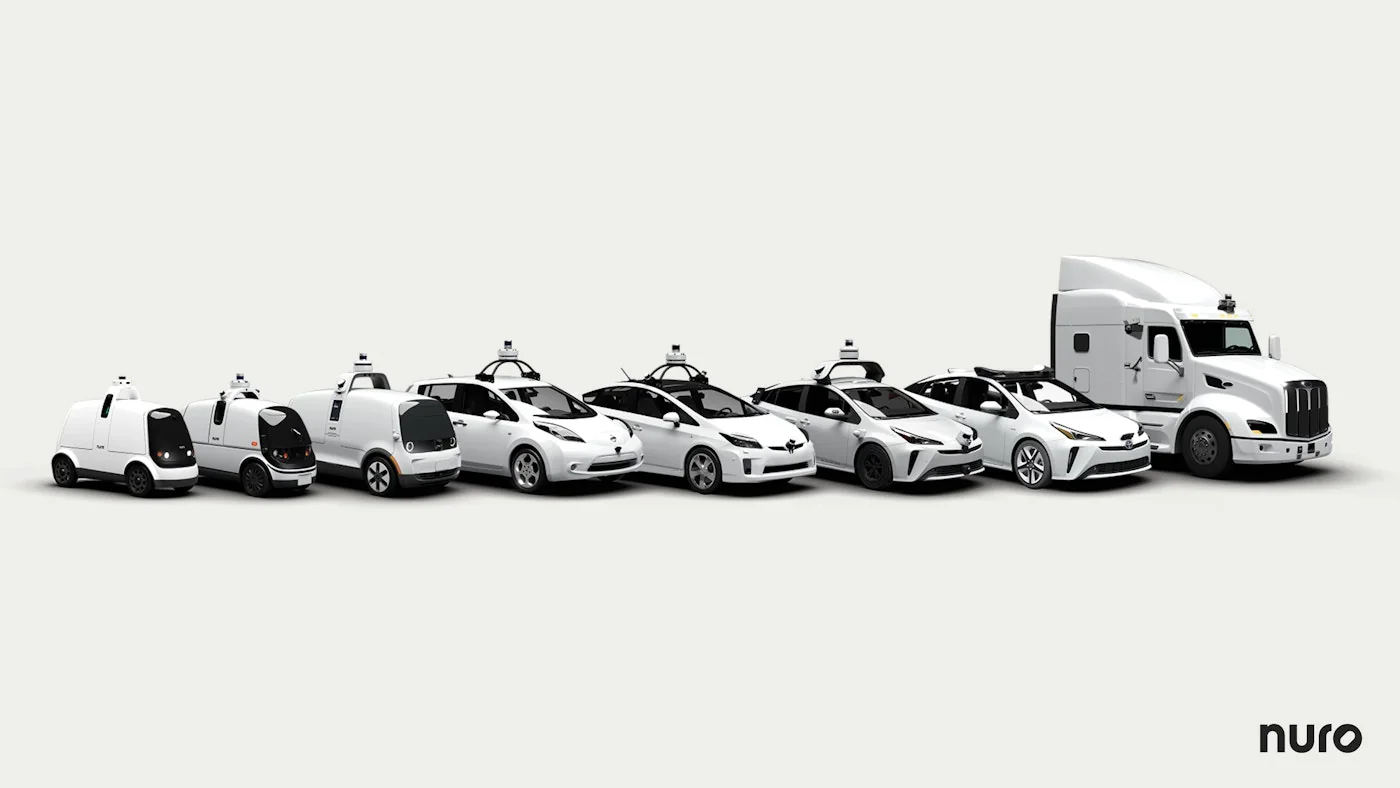
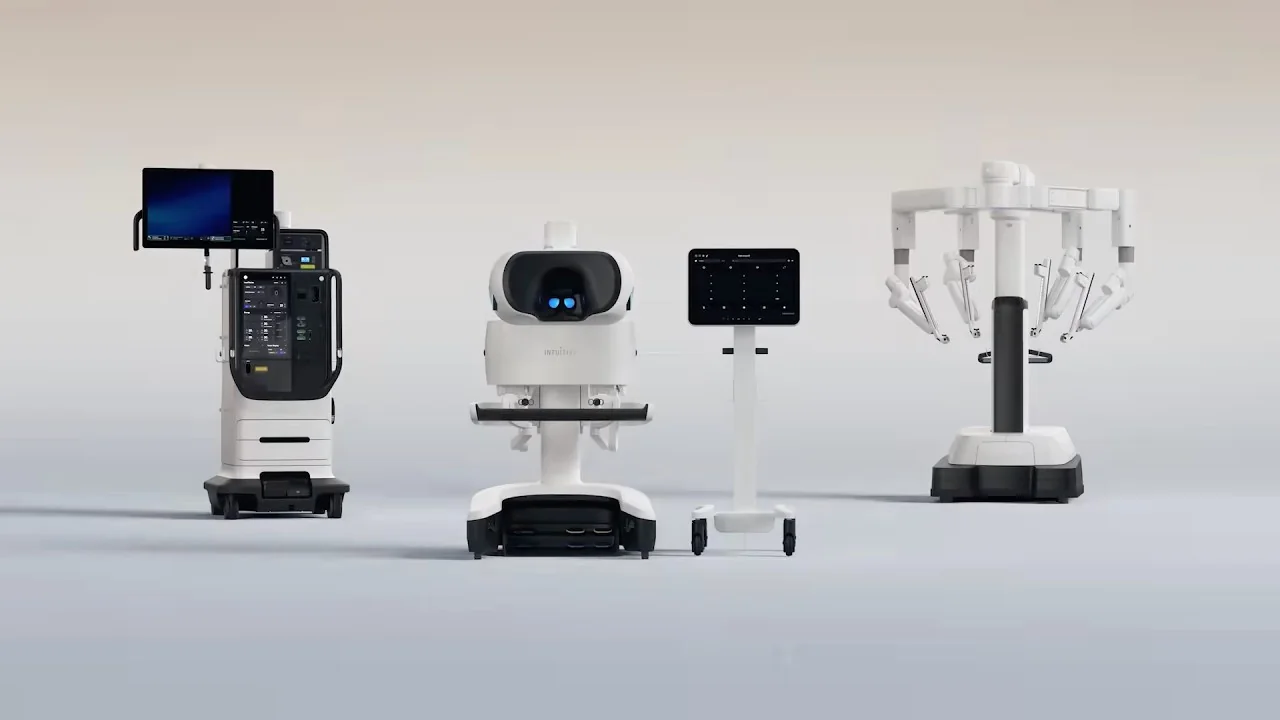
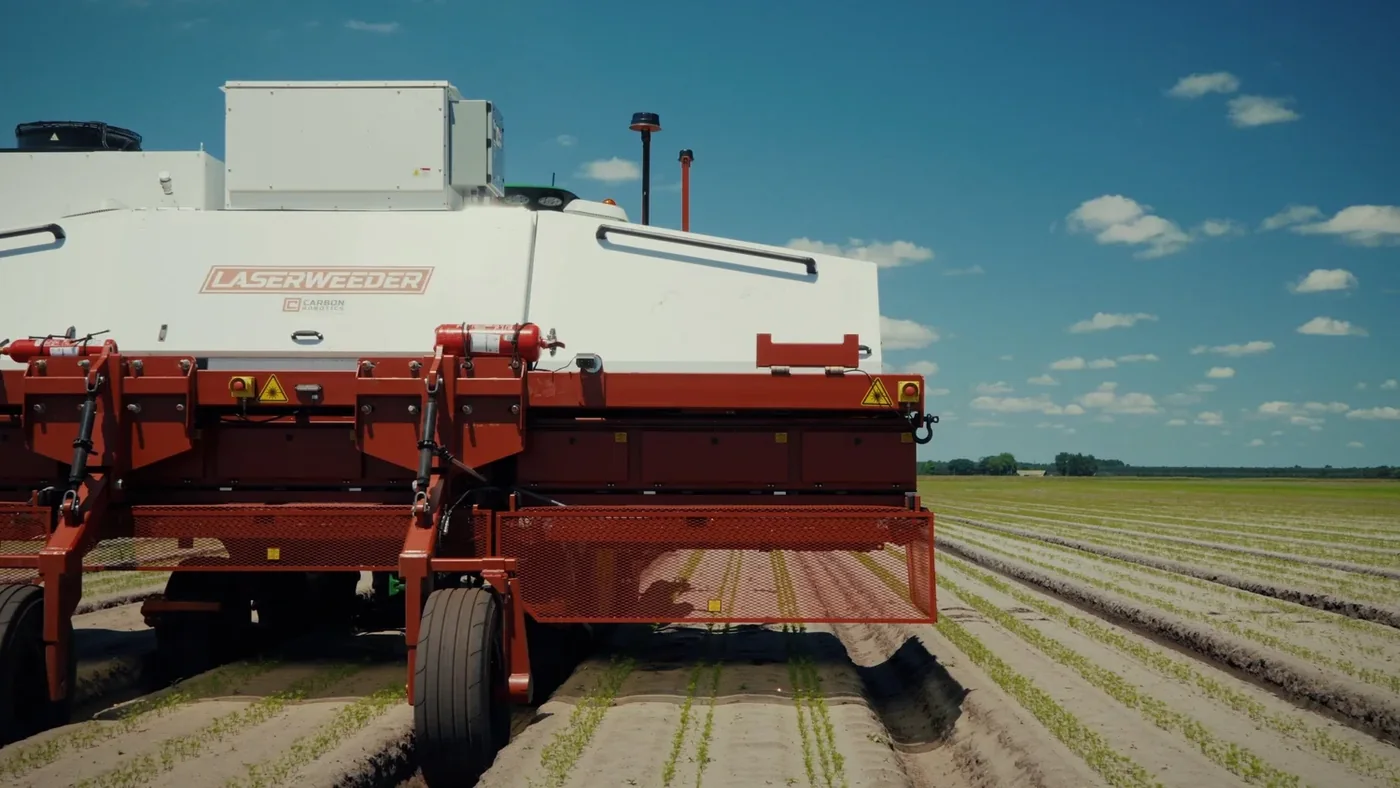
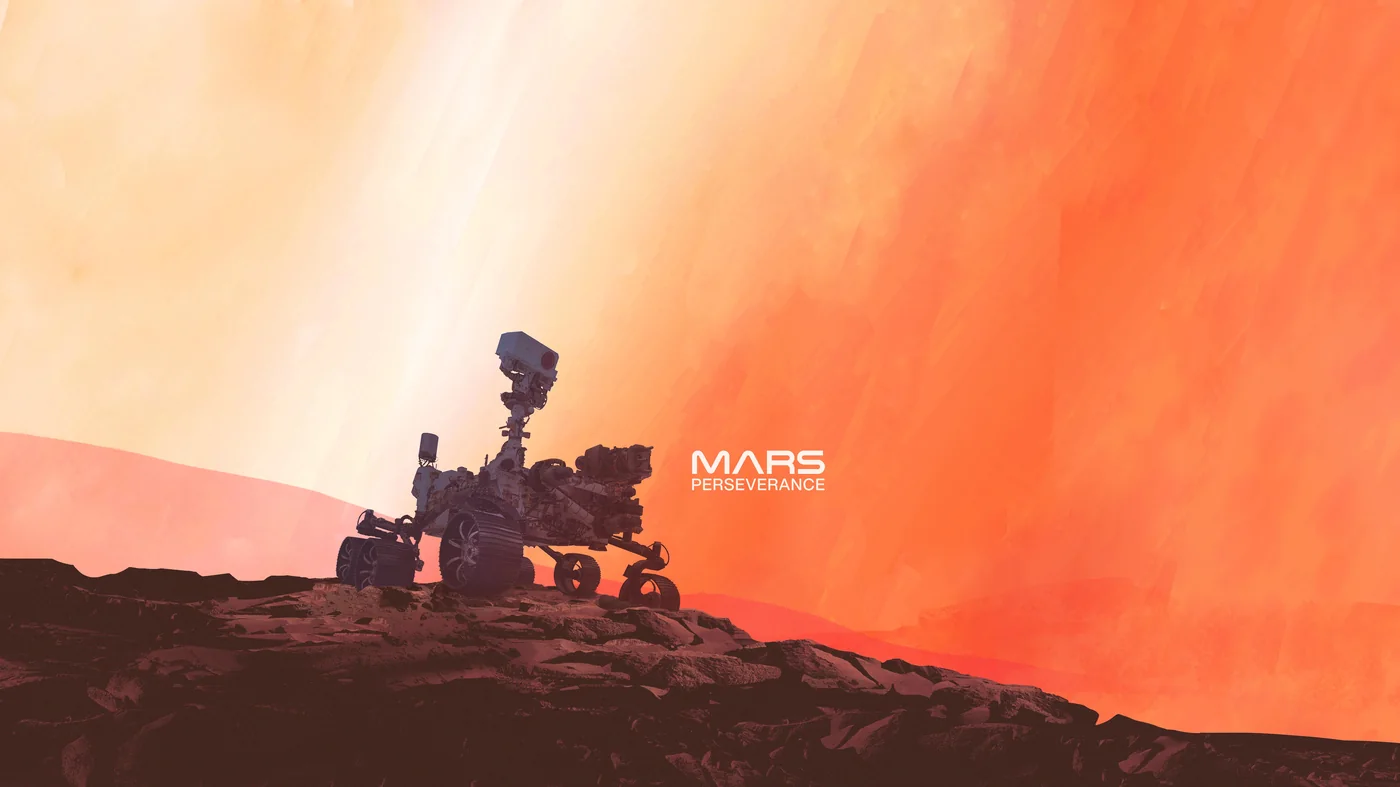
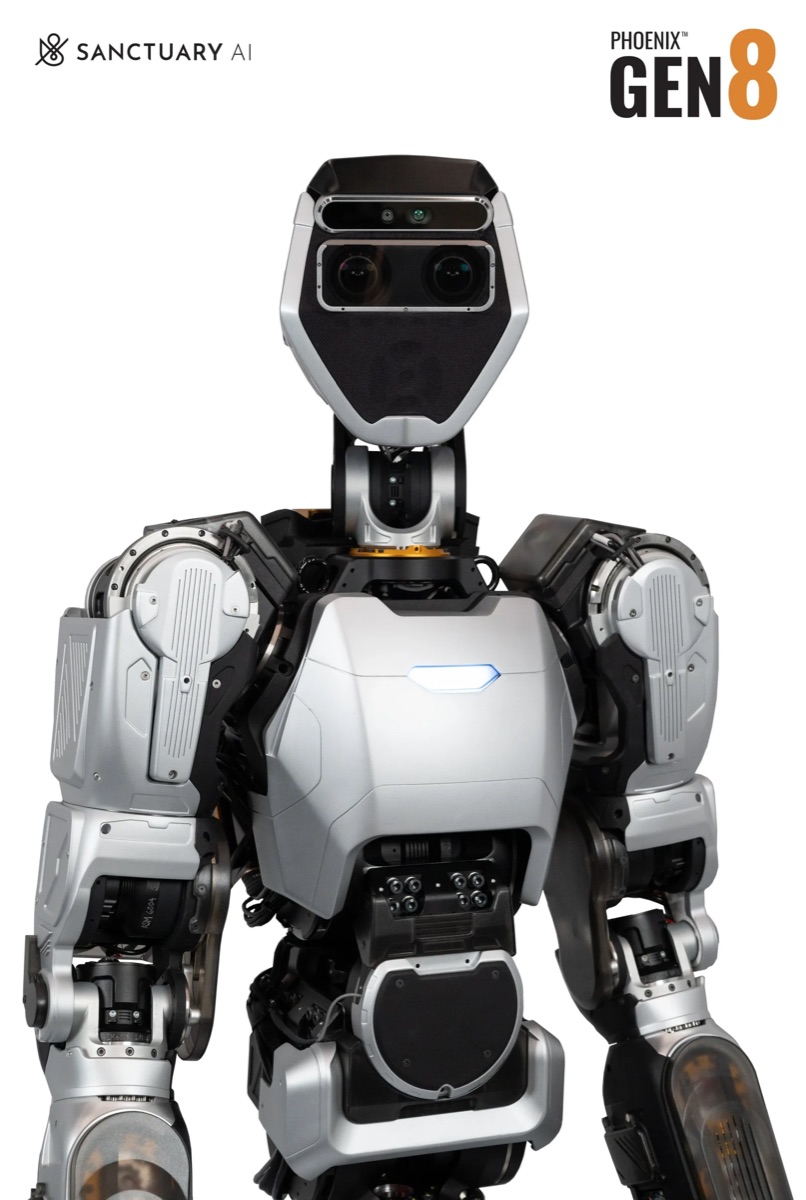
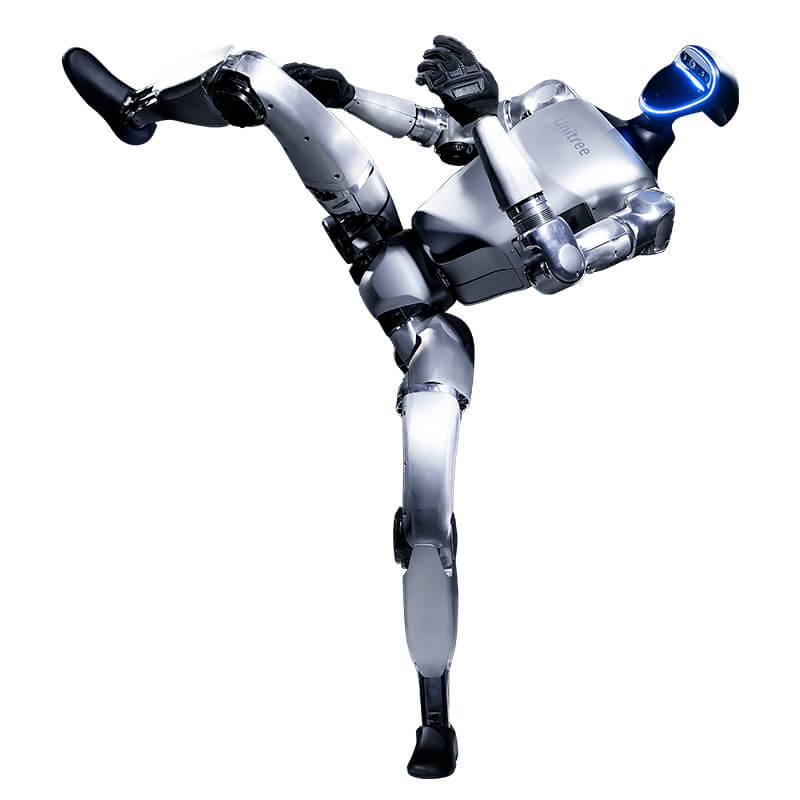
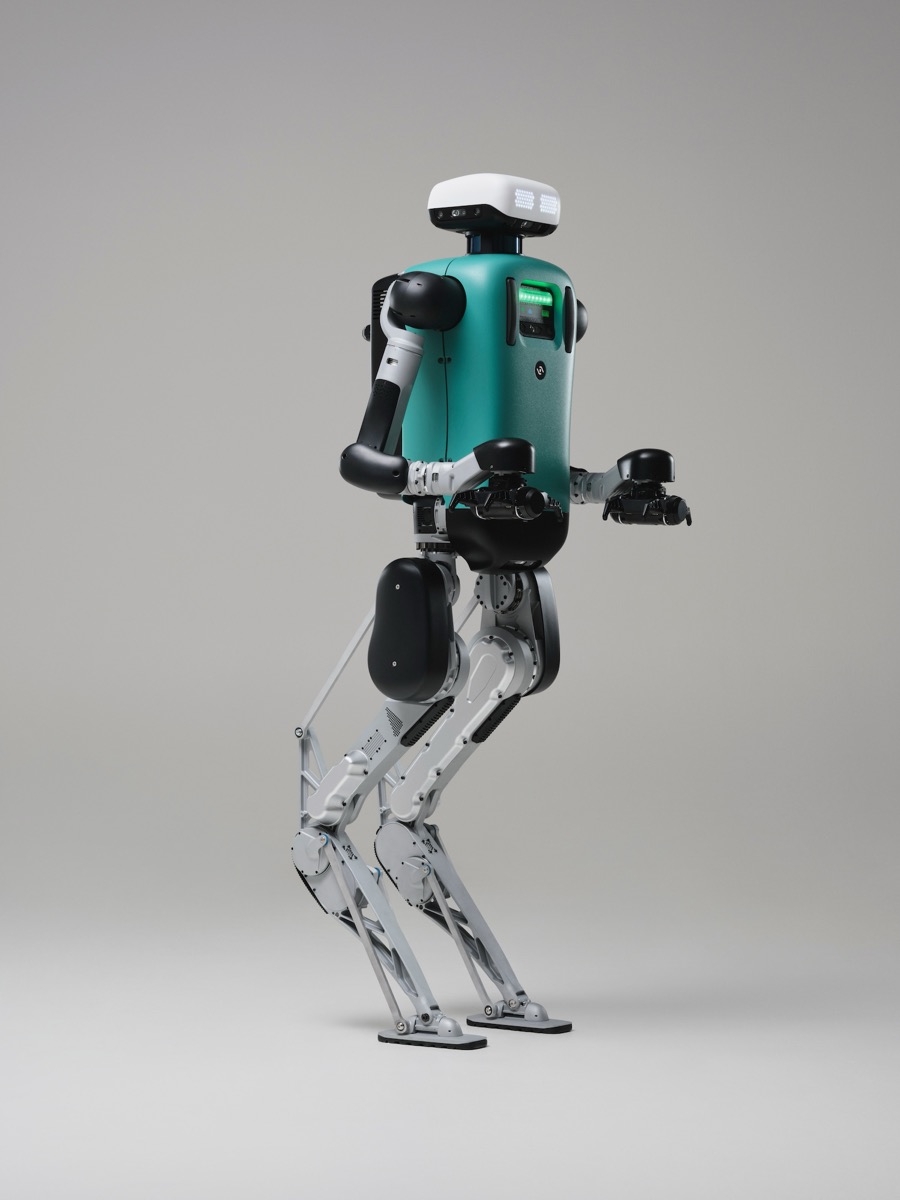
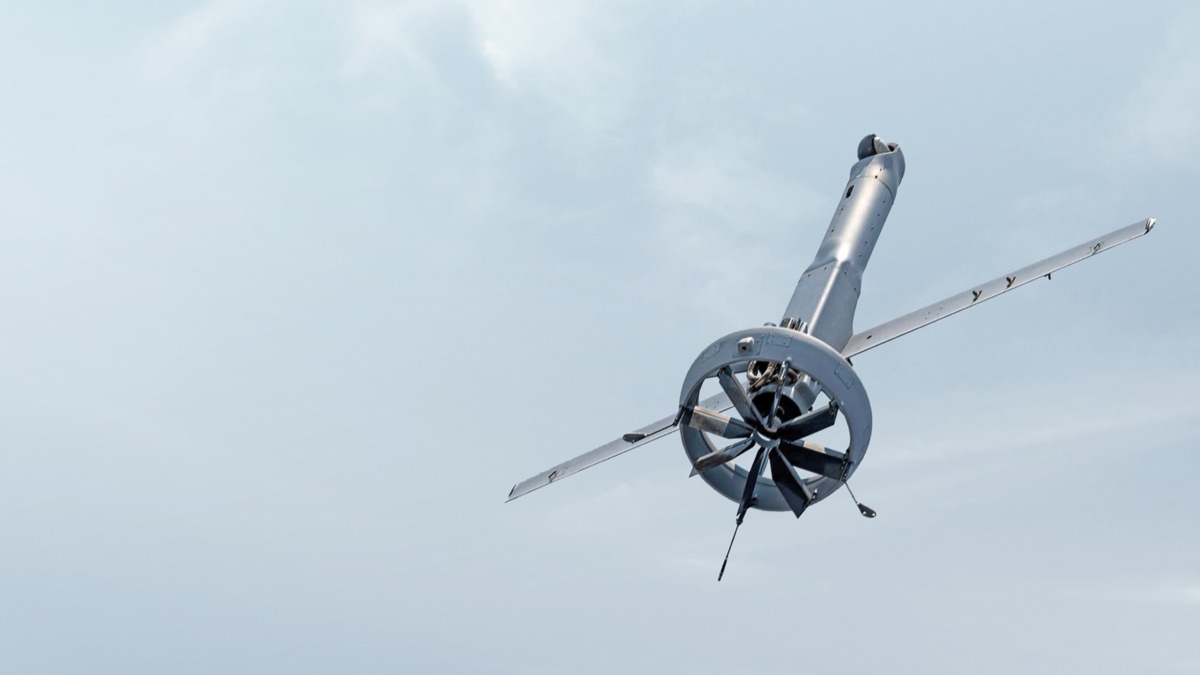
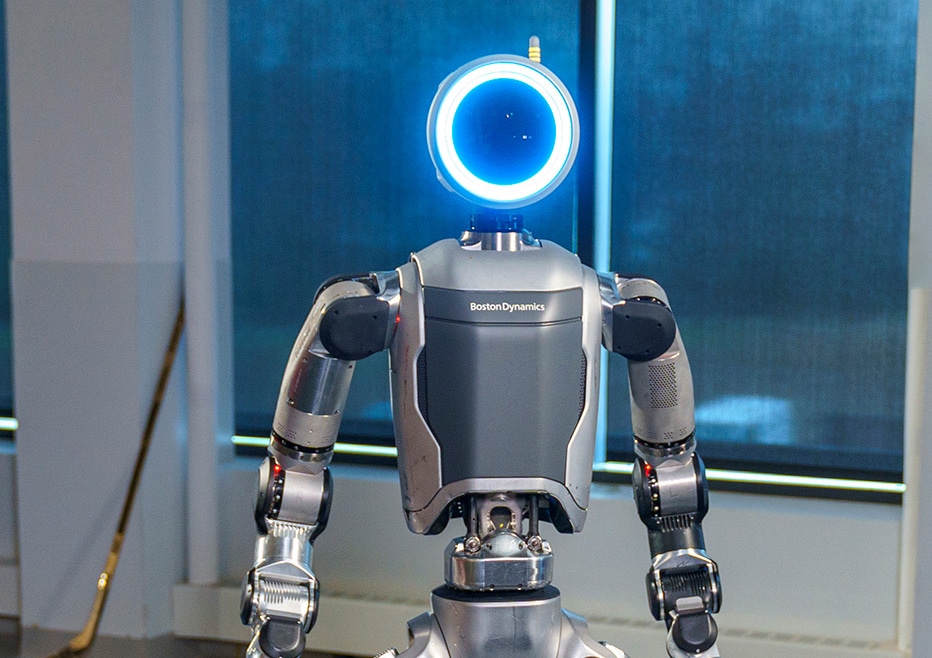
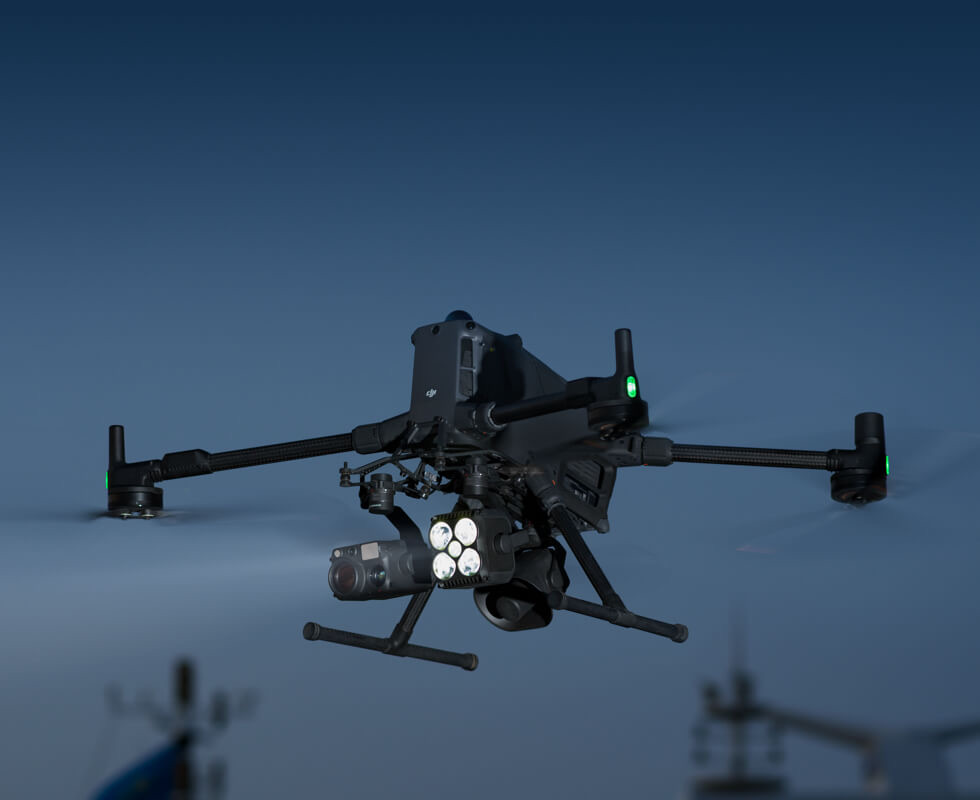
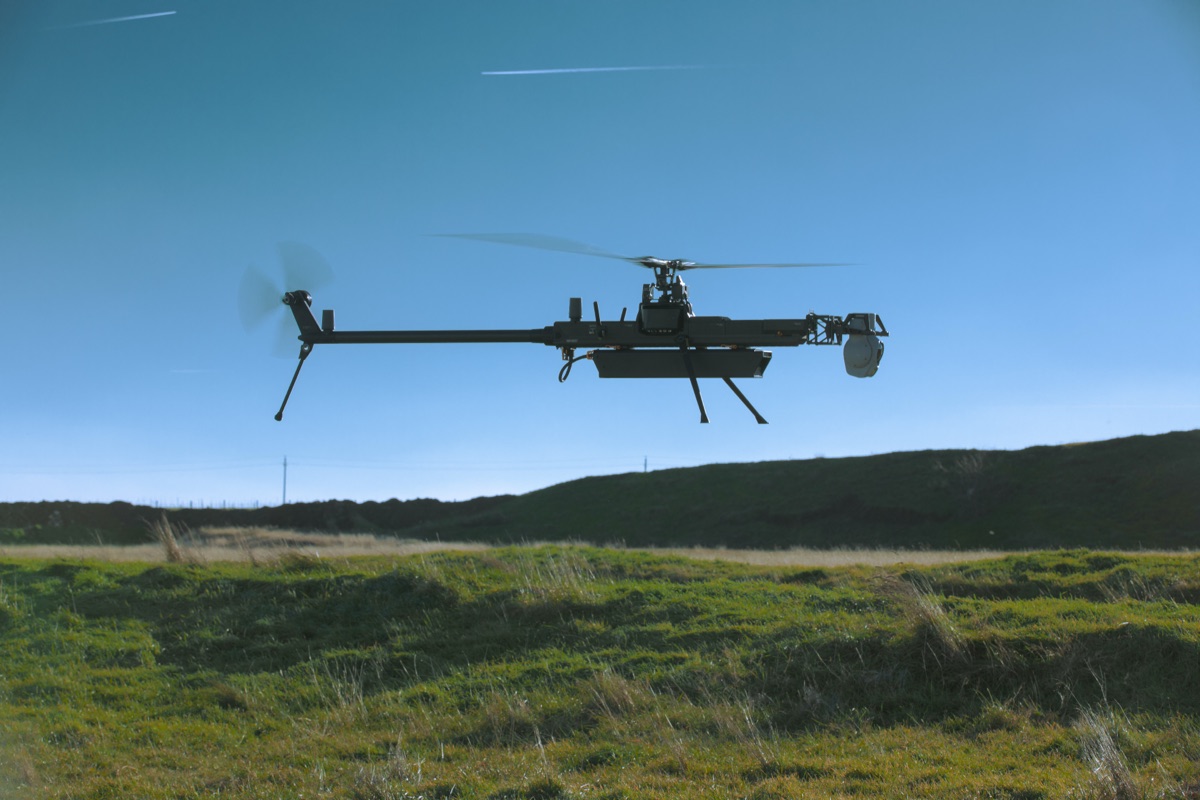
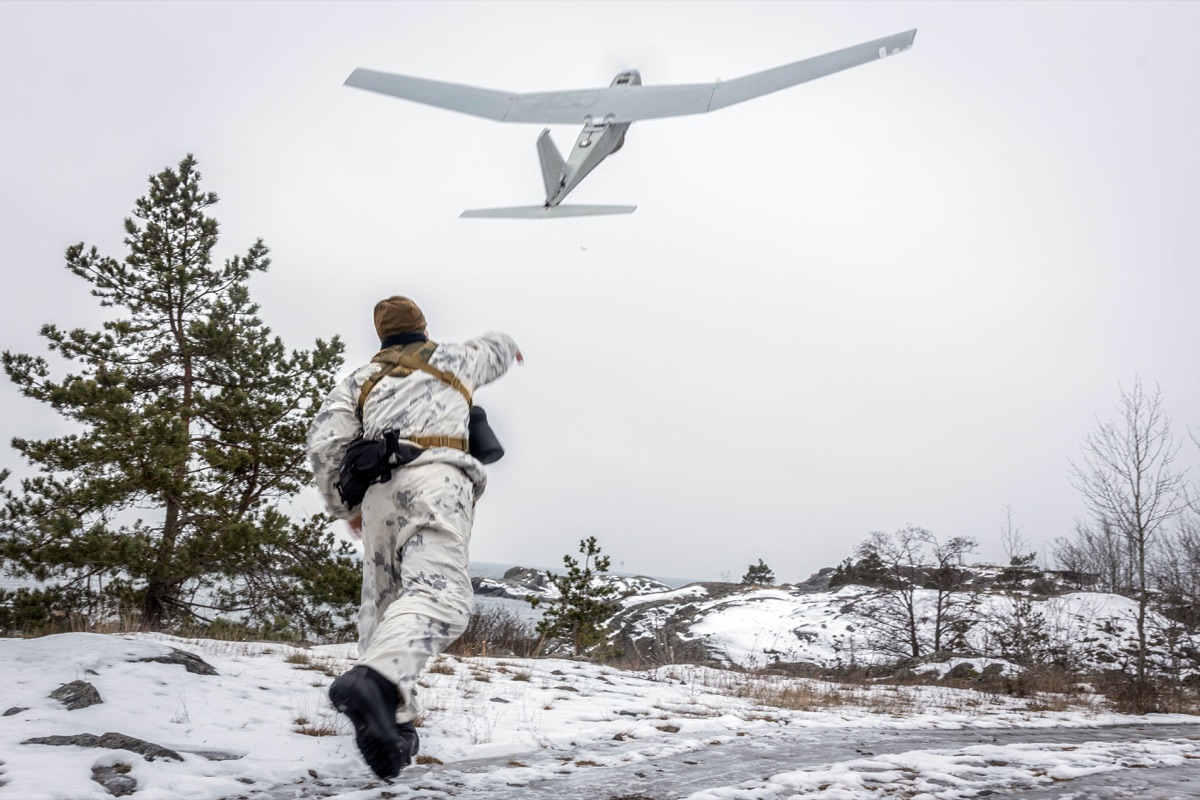
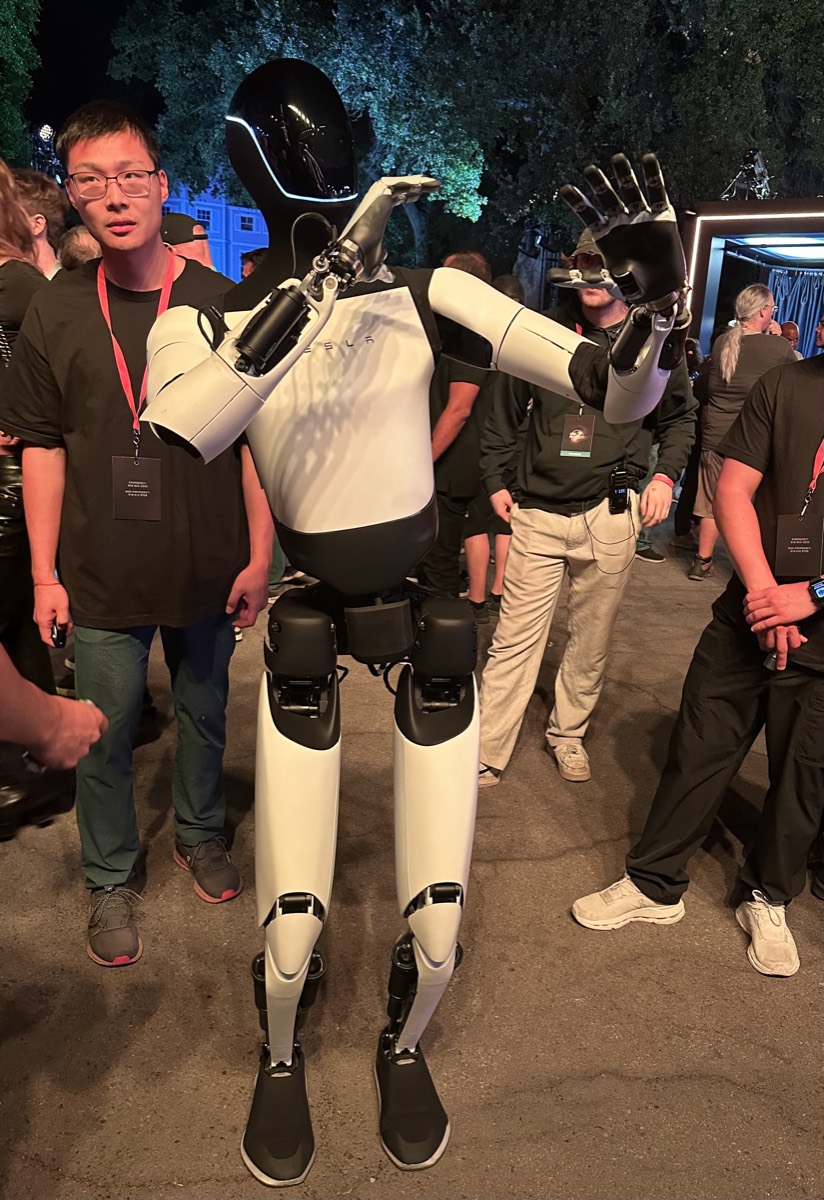
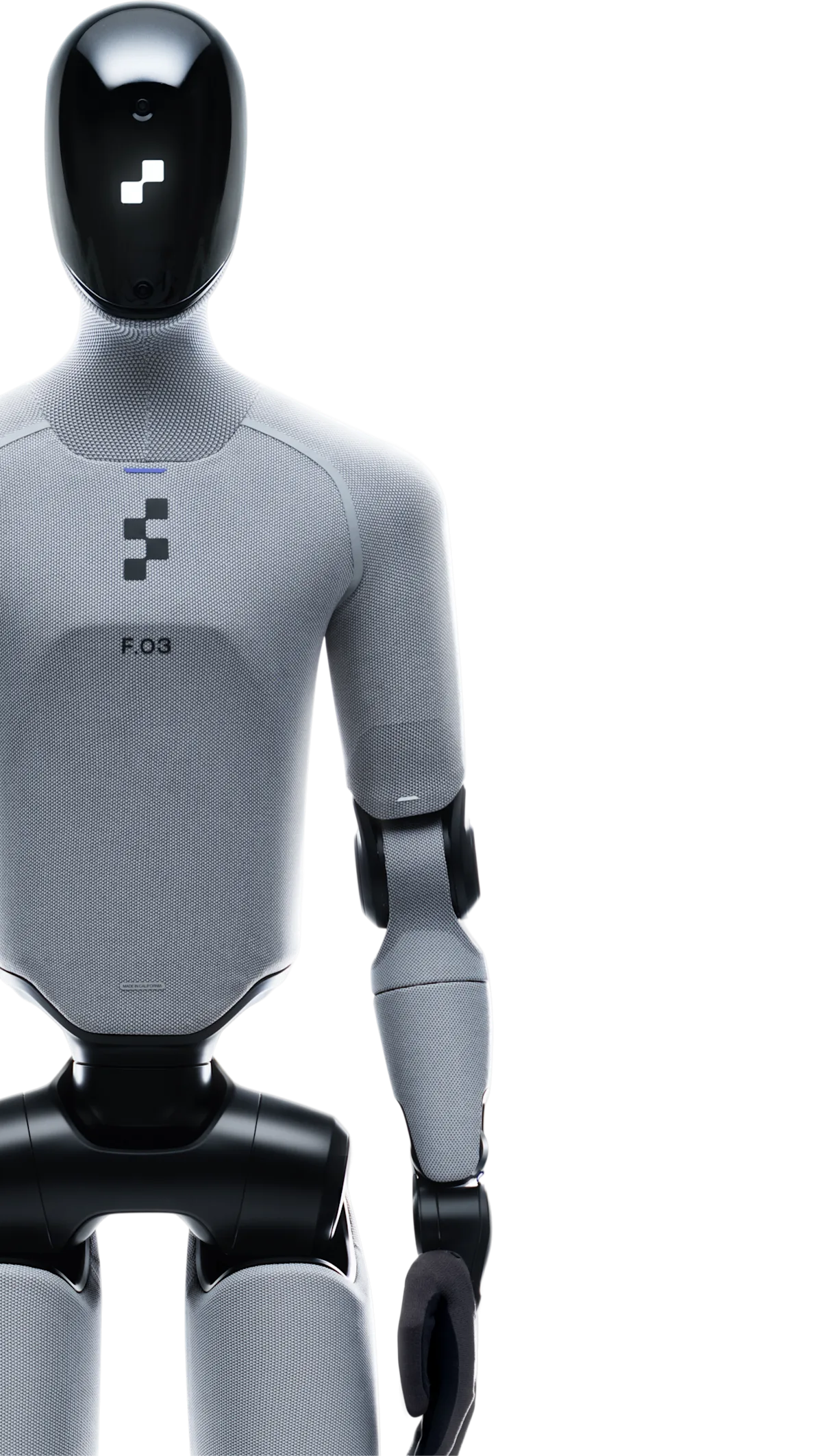
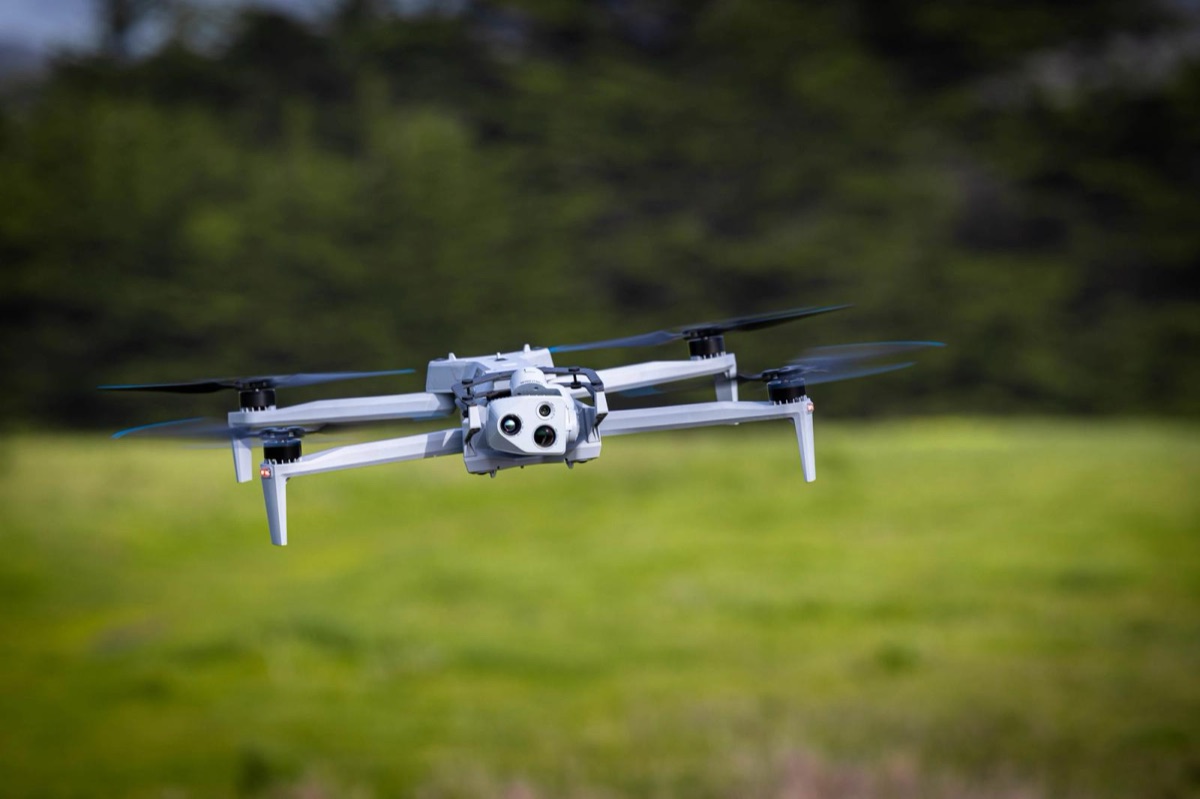
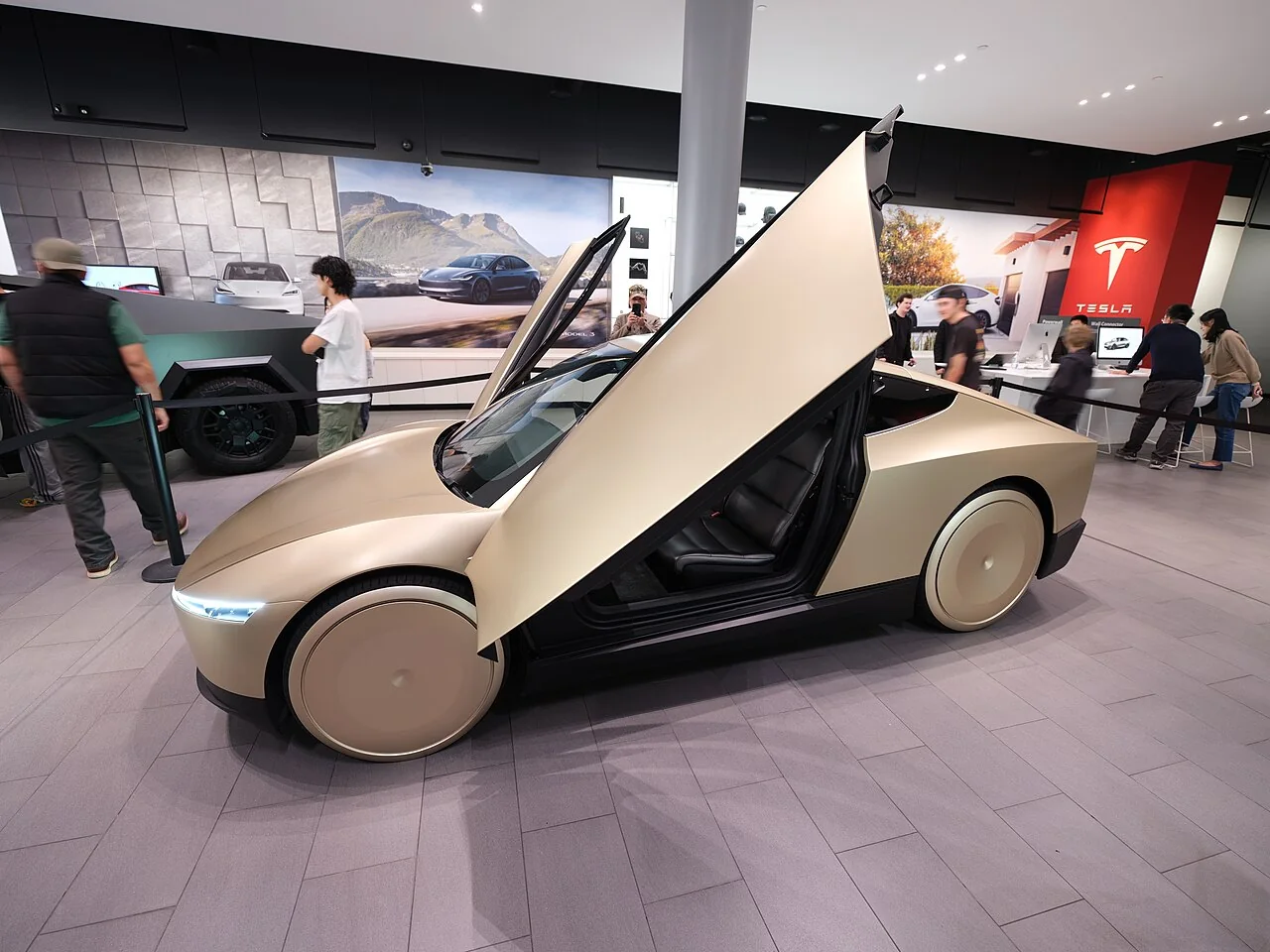
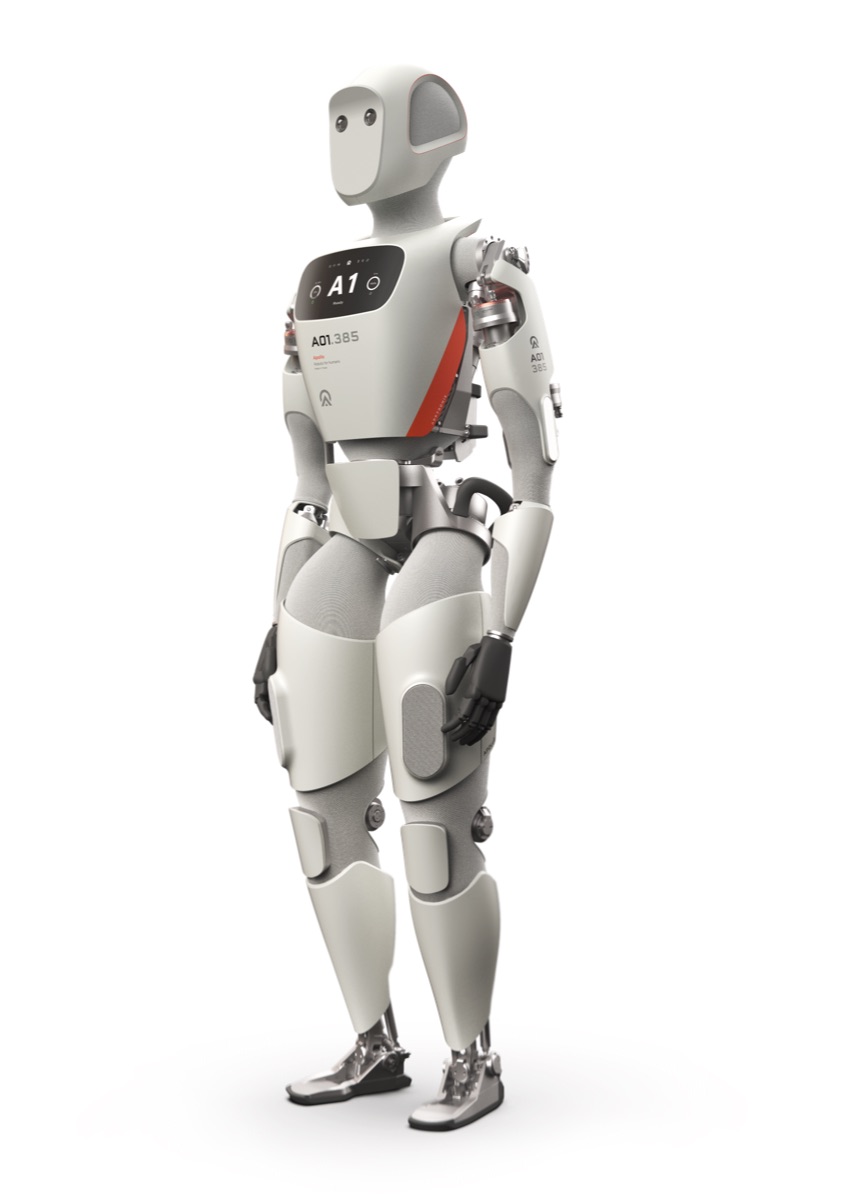
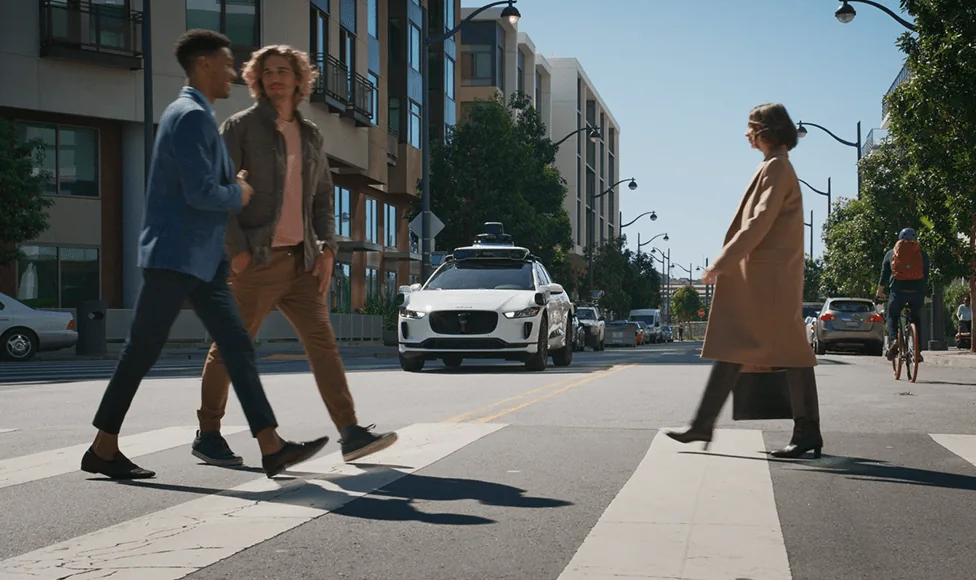
Image credits
Learning Hand-Eye Coordination for Robotic Grasping with Deep Learning and Large-Scale Data Collection: Google Research and X; research by Sergey Levine, Peter Pastor, Alex Krizhevsky, and Deirdre Quillen ↗NVIDIA Jetson AGX Orin: NVIDIA ↗Zoox Robotaxi: Zoox, Inc. ↗Aurora Driver: Aurora Innovation ↗Nuro Driver: Nuro ↗da Vinci 5: Intuitive ↗LaserWeeder: Carbon Robotics ↗Perseverance: NASA/JPL-Caltech ↗Phoenix: Sanctuary AI ↗Unitree G1: Unitree Robotics ↗Digit: Agility Robotics ↗V-BAT: Lilykhinz · CC BY-SA 4.0 ↗Atlas: Boston Dynamics ↗DJI Matrice 400: DJI Enterprise ↗Ghost: U.S. Army photo by Pfc. Nathan Arellano Tlaczani · Public domain ↗Puma AE: U.S. Marine Corps photo by Lance Cpl. Brian Bolin Jr. · Public domain ↗Tesla Optimus: Steve Jurvetson · CC BY 2.0 ↗Figure 03: Figure ↗Skydio X10: Skydio ↗Tesla Cybercab: Dllu / Wikimedia Commons · CC BY-SA 4.0 ↗Apollo: Apptronik ↗Waymo Driver: Waymo ↗
Capabilities depend on implementation, operating environment, training data, hardware and safety controls. Follow the connected records and sources before generalizing.