00LEVEL 00 / ORIENTATION
LEVEL 00 / ORIENTATION
Start Here
Build a precise mental model of robots, drones, automation, autonomy and artificial intelligence.
A progressive route from basic definitions to sensing, movement, flight, autonomy and embodied intelligence: clear enough to begin, precise enough to build on.
Guided view: Start at Level 00, follow unfamiliar terms into the glossary, then use connected technology profiles for technical depth and source links.
Four genuinely different paths: orientation, machine anatomy, flight systems and autonomy.
Build a precise mental model of robots, drones, automation, autonomy and artificial intelligence.
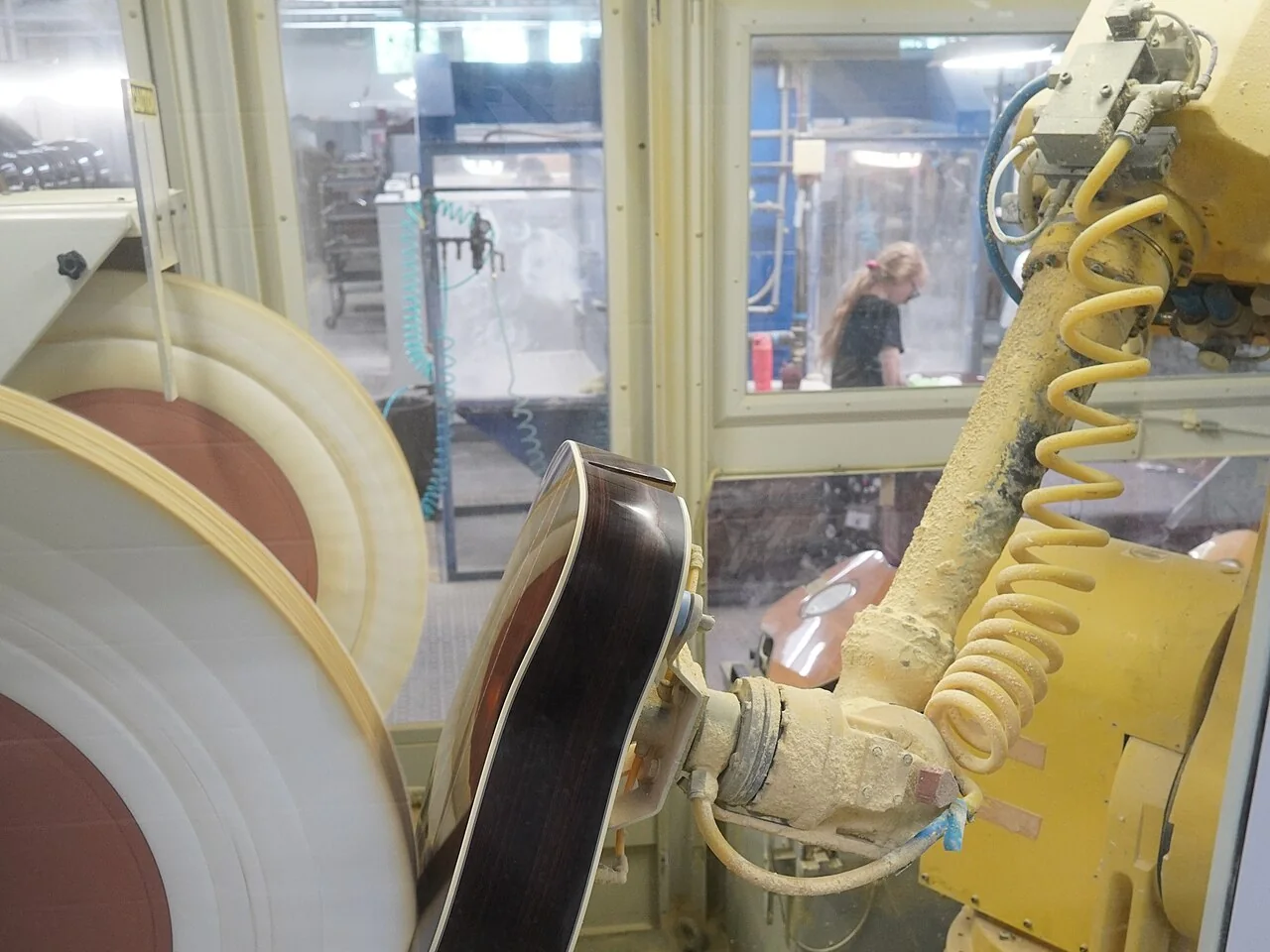
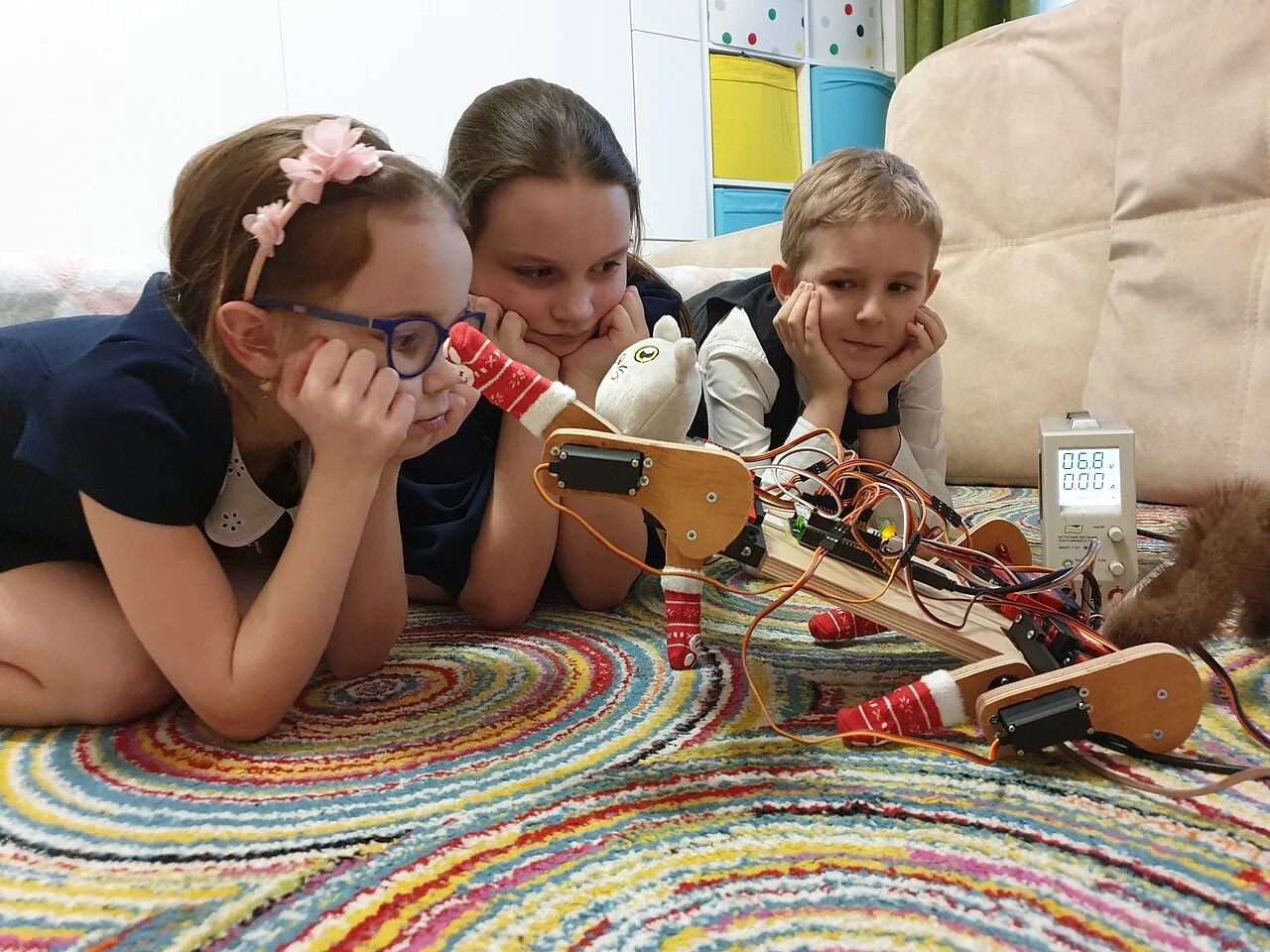
Follow the loop from sensing and computation to motion and physical work.
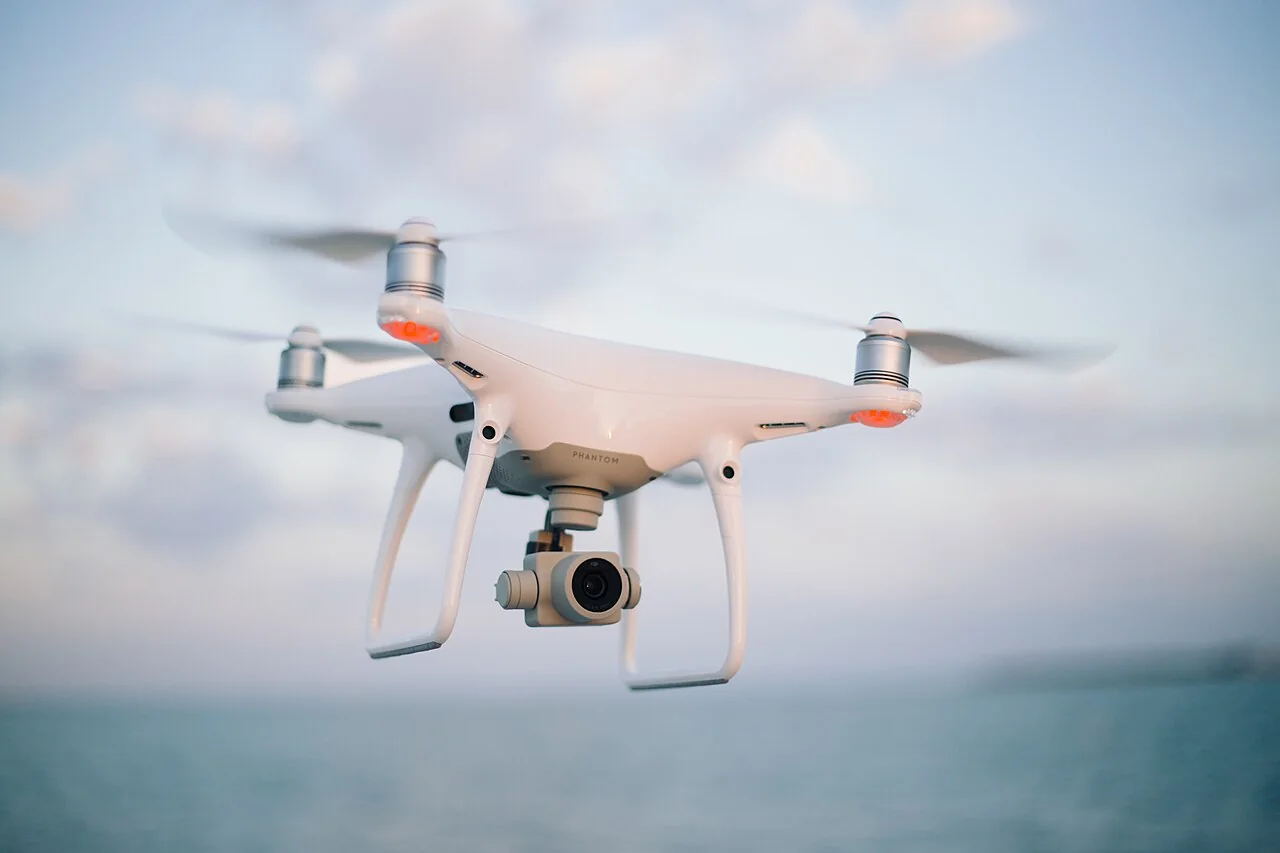
Understand airframes, payloads, control, communications and the operating rules around them.
Move into perception, planning, learning, manipulation and coordination.
See what each system senses, computes or controls before opening the deeper field note.
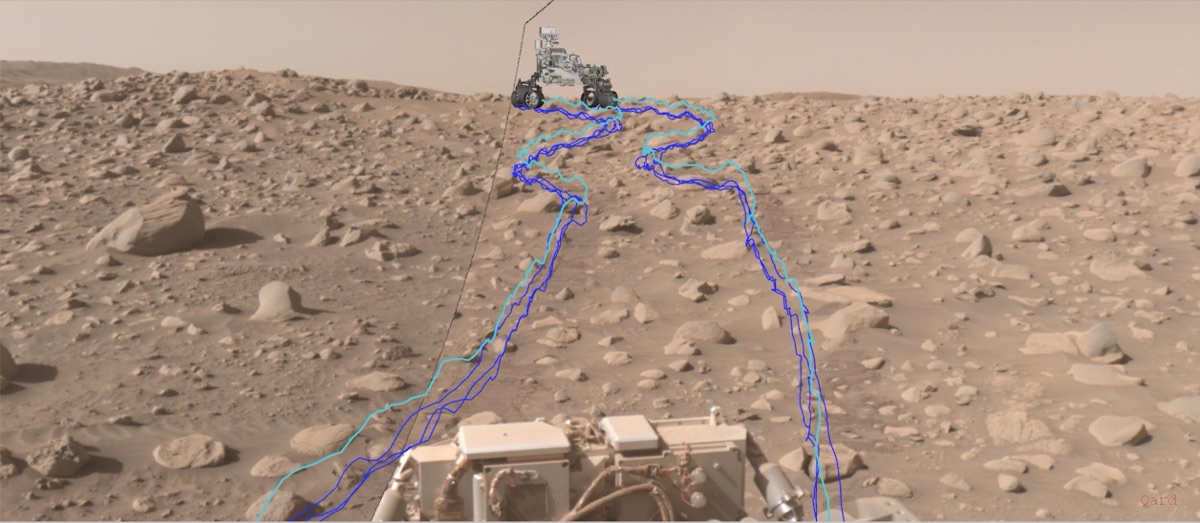 01 / navigation
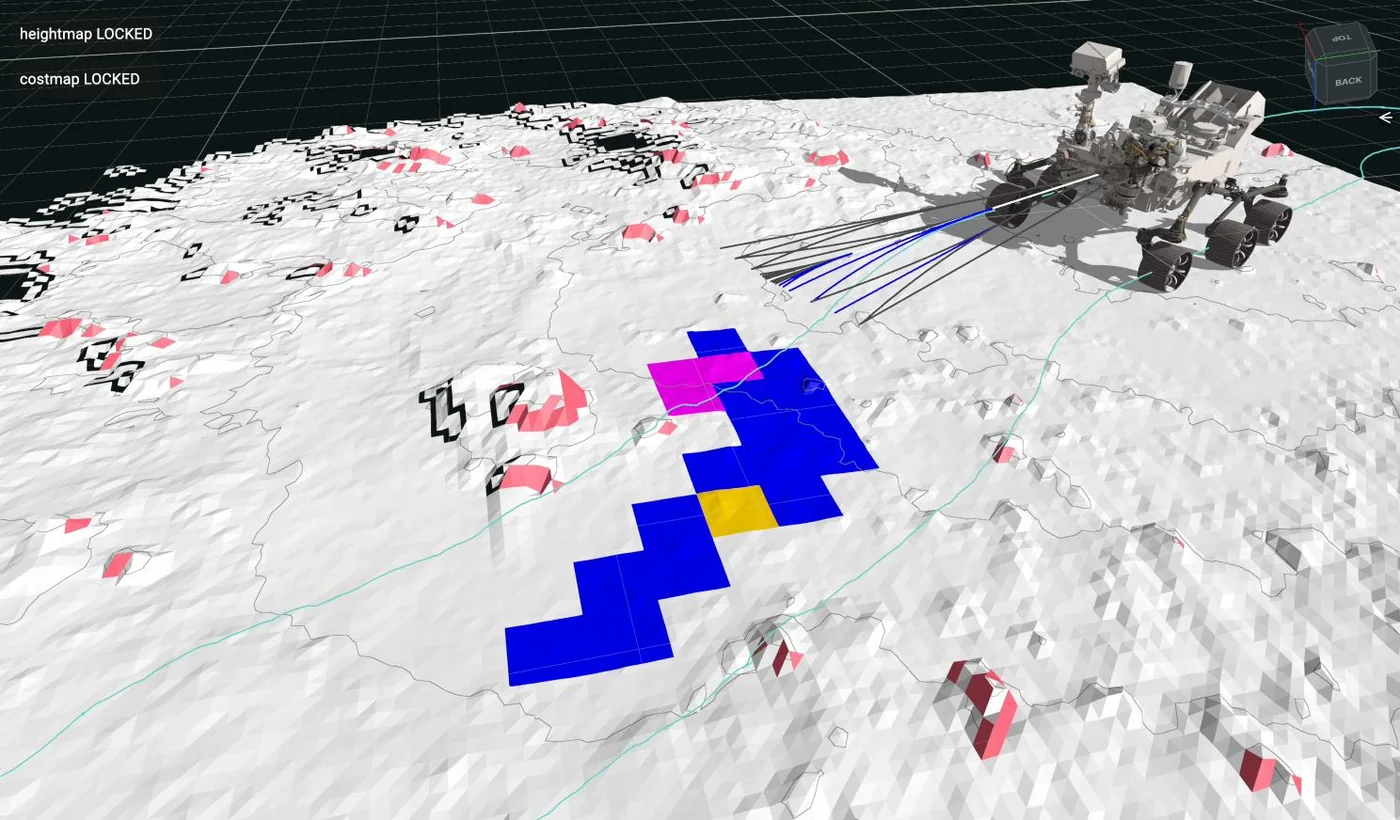
Autonomous navigation combines perception, localization, planning and control so a machine can move toward goals with limited direct human input.
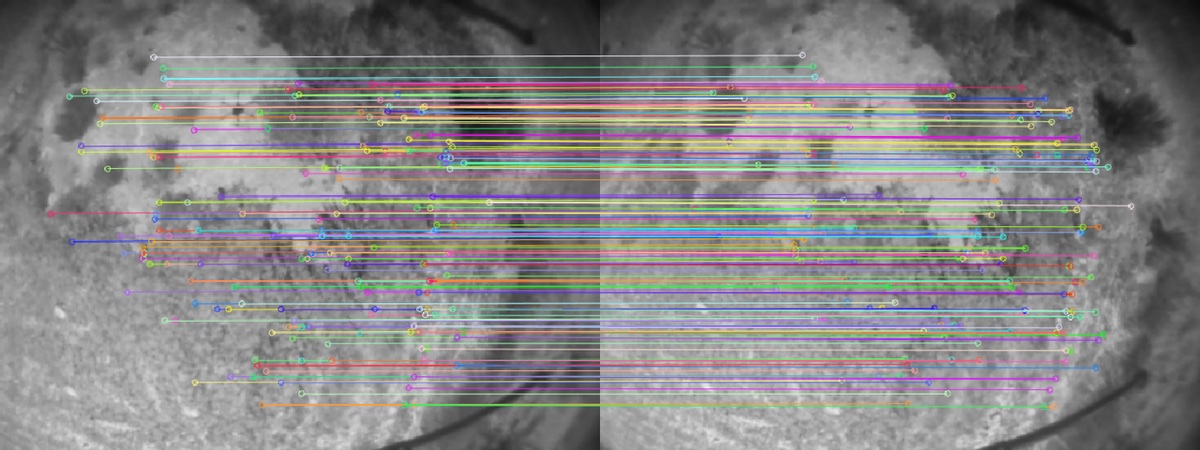 02 / perception
Computer vision uses computational methods to extract information from images and video.
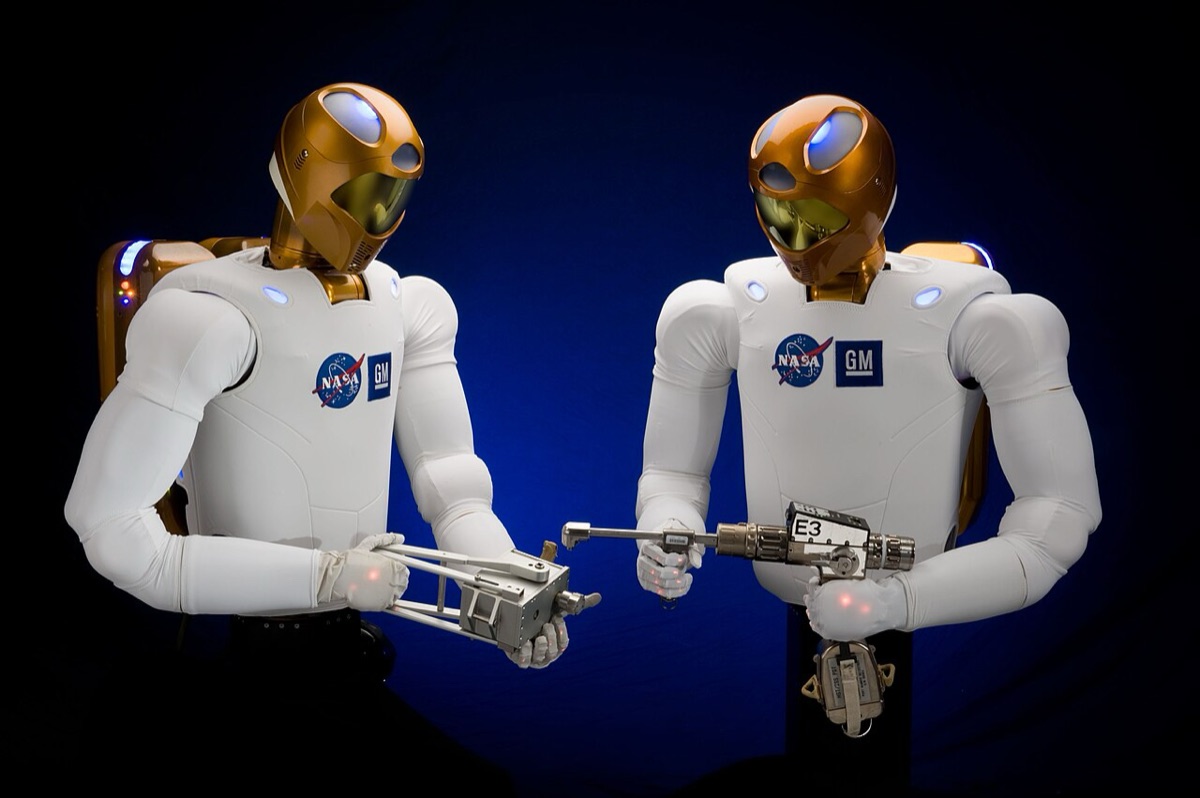 03 / artificial intelligence
Embodied AI studies intelligent agents that perceive and act through a body in a physical or simulated environment.
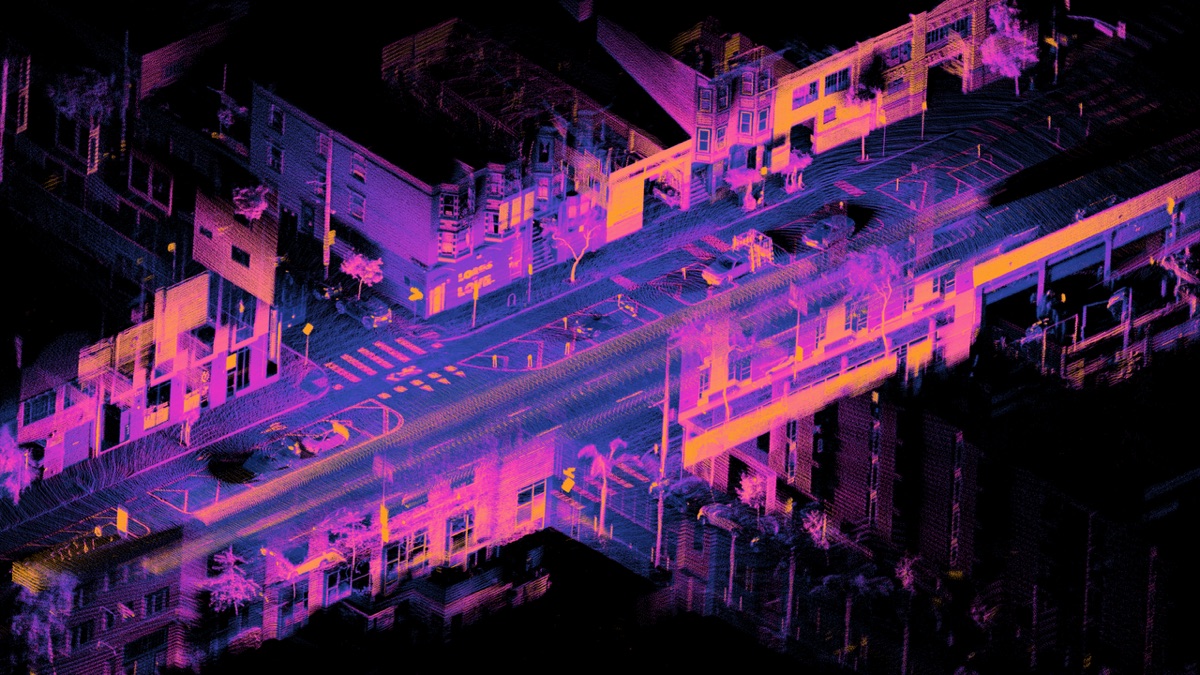 04 / sensing
Lidar measures distance by timing reflected laser light and can build geometric representations of surroundings.
 05 / artificial intelligence
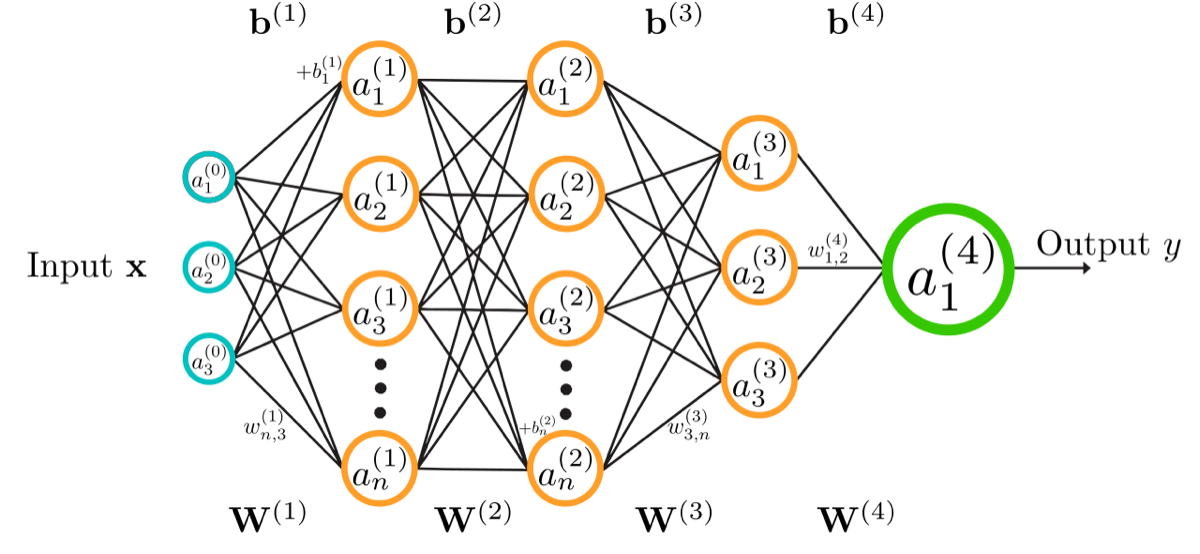
Machine learning develops models whose behavior is fitted from data rather than specified only through fixed rules.
 06 / sensing
Radar transmits radio waves and analyzes reflected energy to estimate range, direction and often relative velocity.
 07 / motion and control
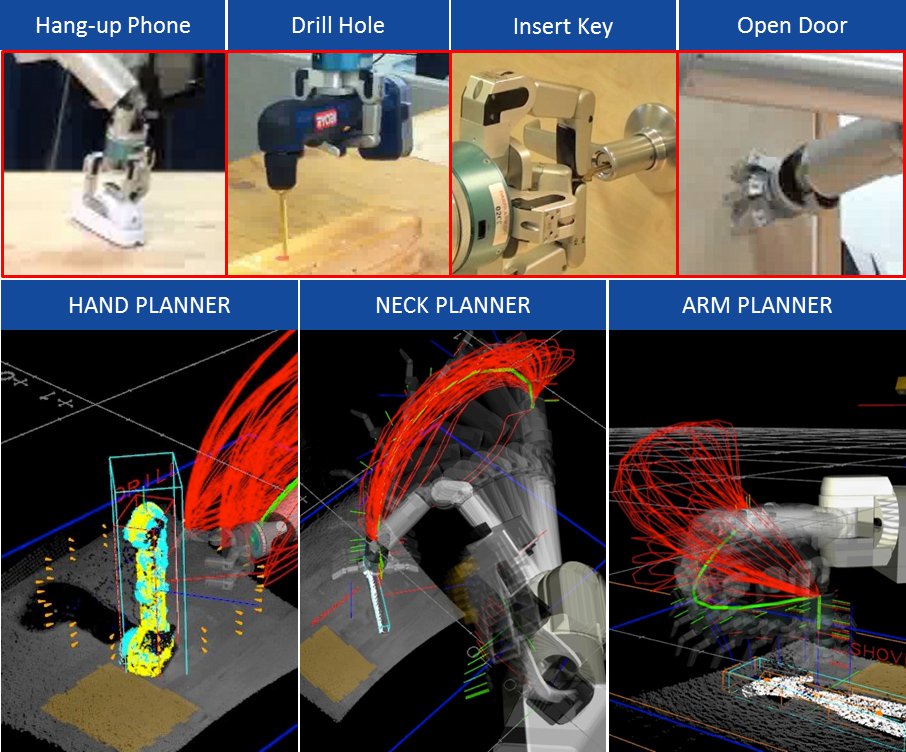
Robotic manipulation concerns sensing, planning and controlling physical contact with objects and tools.
 08 / perception and state estimation
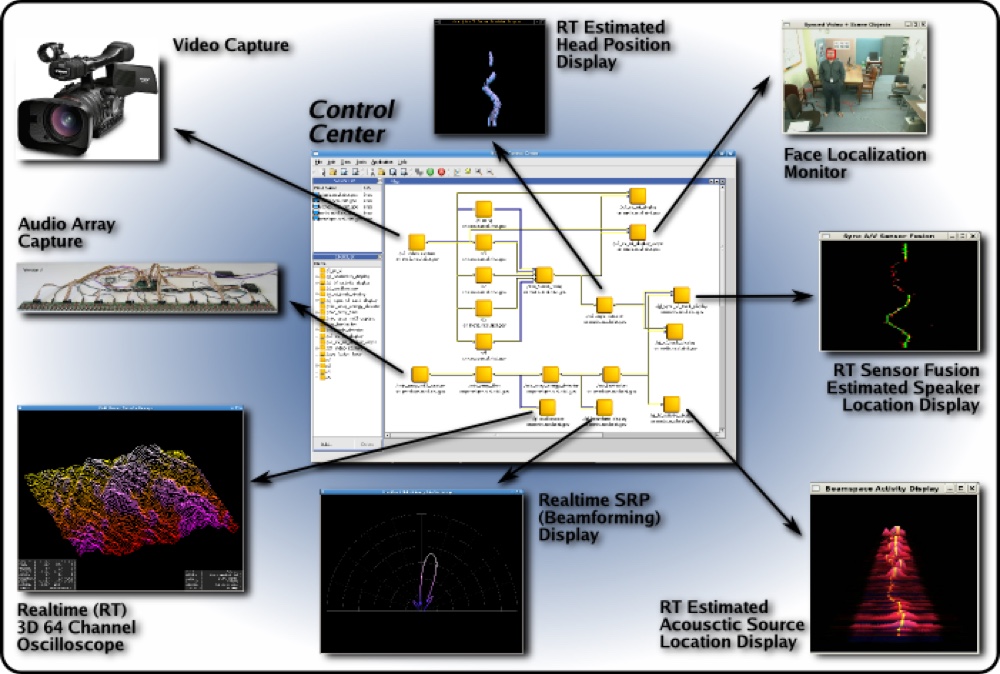
Sensor fusion combines measurements from multiple sensors to estimate a system or environment more reliably than a single stream alone.
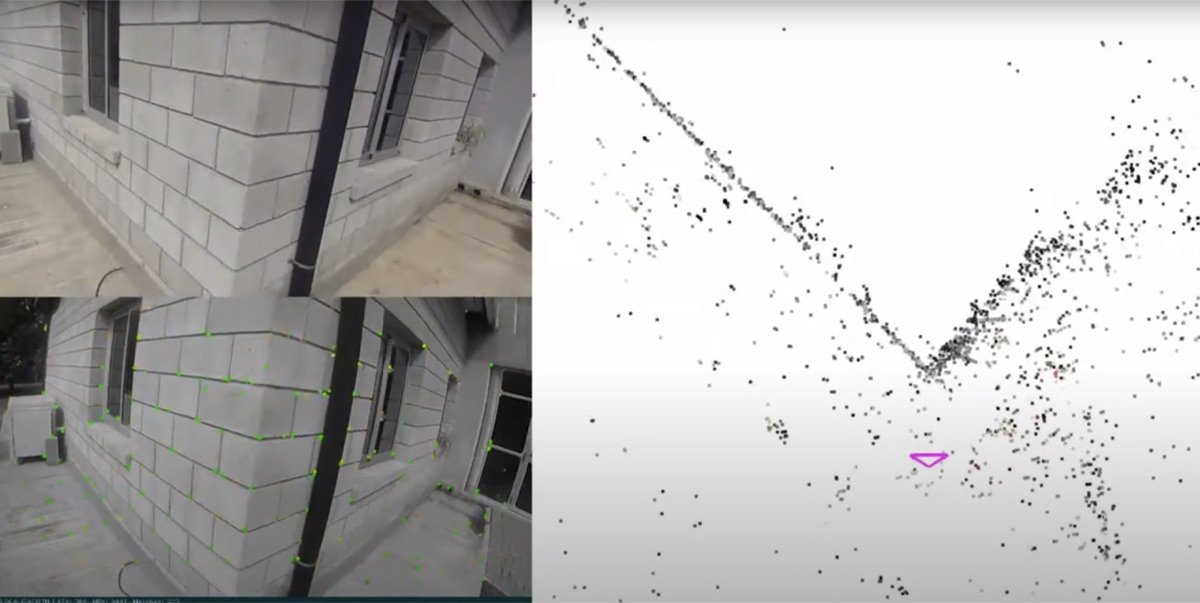 09 / navigation
SLAM estimates a machine's location while constructing or updating a map of an initially uncertain environment.